
You walk into a meeting, a party, or even a cafe. And suddenly your mind races with a million thoughts and worries: ‘What if I say the wrong thing?’ ‘What if everyone is judging me?’ ‘What if I end up making a fool of myself?’
Does that sound relatable? For many of us, these moments aren’t just passing nerves. They’re signs of social anxiety, which can make social interactions feel overwhelming.
But, here's the good news: Social anxiety counselling in Australia can help you understand these fears, manage them with proven strategies, and slowly rebuild confidence at your own pace.
What is Social Anxiety?
According to Health Direct, Social Anxiety Disorder (SAD) is also known as social phobia. It is an excessive fear and avoidance of social situations that occur repeatedly.
Some types of fears experienced by those with SAD include a fear of being:
- Judged
- Humiliated
- Criticised
- Disliked
- Ostracised
Social anxiety is also generally accompanied by intense physical symptoms like rapid and pounding heartbeat, dizziness, sweating, nausea, upset stomach, trembling and chest tightness. These make it all the more overwhelming to navigate.
Social anxiety differs from person to person based on a variety of factors, including:
- Triggers or situations that cause/increase anxiety
- The extent to which anxiety affects one’s daily life and social interactions
- How easy it is to manage or cope with
- The type of fear that social anxiety induces
Below are a few common triggers of social anxiety experienced by many people around the globe:
- Attending social events with strangers present
- Making phone calls to unknown people (or sometimes even acquaintances)
- Interviews, presentations and public speaking
- Eating in public places
- Meeting new people or going somewhere new (especially alone)
- Being in crowded places and large gatherings
Social Anxiety Therapy in Australia: 6 Ways It Helps
Sometimes, social anxiety can feel like a constant hum in the background that doesn’t let you live your life to the fullest.
Other times, it can feel like blaring alarm bells going off in your head that make even the simplest of social interactions seem insurmountable.
Remember that no matter what you’re struggling with, you don’t have to deal with it alone. Counselling gives you the space, tools and professional guidance to manage social fear and slowly move towards a more fulfilling and unbidden life.
Social anxiety counselling in Australia can help you:
1) Share Fears You Usually Keep Bottled Up
Many people with social anxiety tend to keep their worries to themselves, fearing they’ll sound silly or be misunderstood.
During counselling for social anxiety, you’ll have a confidential space to voice those thoughts and open up without judgment. Often, simply talking them through can bring significant relief and help you understand them more objectively.
2) Identify Triggers & Negative Thought Patterns
Automatic thoughts often fuel social anxiety. Sometimes these negative thoughts can form vicious patterns and cycles.
Example: I don’t know if people at the party are going to like me → I feel like everyone is judging me → I’m going to embarrass myself → That’s it, everyone thinks I’m a fool.
Counsellors can help you spot these patterns and link them to specific triggers, such as public speaking or meeting new people. Following that, they may also help you understand why those triggers exist and how to unlearn the thought patterns they fuel.
Social anxiety is caused due to a variety of reasons, including:
- Genetic factors
- Personality traits (those who are generally timid or shy)
- Trauma (bullying, deep embarrassment, etc)
- Peer pressure and FOMO (fear of missing out)
Recognising and understanding these patterns is often the first step toward loosening their hold on you.
3) Learn Practical Tools to Ride the Anxiety Wave When it Hits
Counselling in Australia equips you with hands-on strategies like grounding exercises, breathing techniques, and quick mental reframing to use when anxiety spikes.
While these tools may not erase fear instantly or permanently, they help you ride the wave until it passes, and you’re able to reflect and reframe better next time.
In addition to therapeutic tools, Australia counsellors may also help create tailored preventive strategies. Here’s an example of what that can look like:
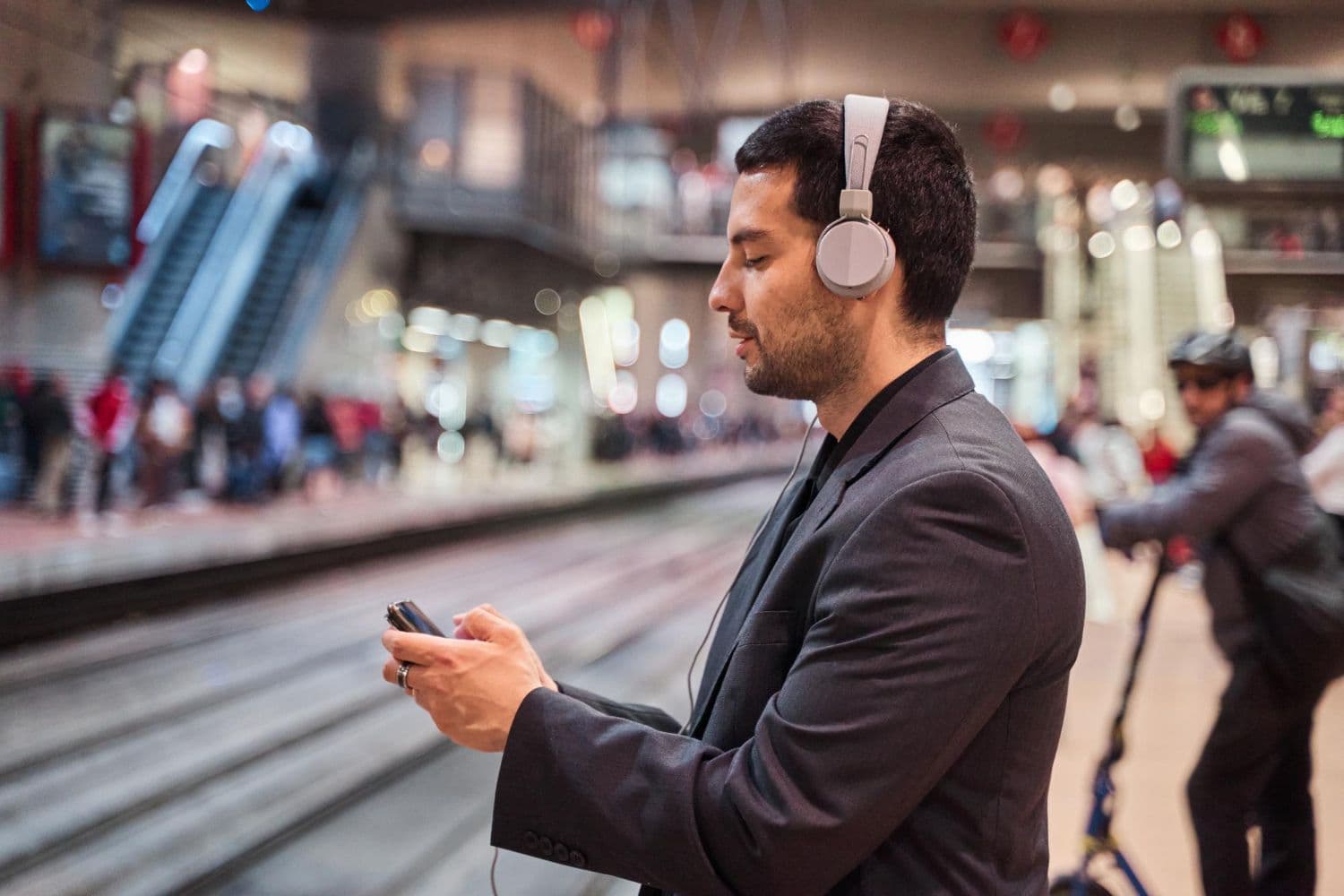
- Carrying your headphones with you to distract and soothe yourself in crowded places
- Asking a loved one to help you or accompany you, eg making appointments for you, or staying by your side while you do it yourself.
4) Practise Gradual Exposure through Small & Manageable Steps
Anxiety therapy is designed to guide you to face fears slowly, going at a pace that feels right to you while also gradually bringing you out of your comfort zone. Your therapist may suggest exposure activities tailored to your triggers.
This could look like saying hello to a colleague, then progressing to making small talk and eventually asking if they’d like to join you for tea at the cafeteria.
Such a step-by-step approach helps build confidence without overwhelming you, showing you that growth is possible and anxiety doesn’t have to dictate your choices.
5) Improve Self-Confidence & Social Confidence Skills
Through role-playing, feedback, and guided exercises, counselling for social anxiety can help you practise communication skills that boost your confidence in social settings.
In addition to practical tools, therapy also helps you acknowledge, hold space for and love all parts of you, even the messy ones. This, in turn, improves your self-esteem and confidence.
Over time, the fear of getting it wrong shrinks, and you start feeling more at ease with expressing yourself naturally.
6) Build Resilience & Learn How to Handle Future Setbacks
Progress with social anxiety, as with any mental health issue, isn’t always linear. Growth is often best understood as a wave. There are breakthroughs, but there may also be tough days.
Counselling equips you with resilience strategies so setbacks don’t undo your growth. The skills you gain in anxiety therapy can help you get back up, view them as part of the process and learn from such setbacks rather than seeing them as failures.

Counselling helps manage social anxiety
find a counsellor4 Common Modalities Used During Social Anxiety Therapy in Australia
1) CBT for Social Anxiety
Cognitive Behavioural Therapy (CBT) is one of the most widely used modalities in counselling for social anxiety.
It helps you identify unhelpful thought patterns and replace them with more balanced, reframed, and rational ones. This process is called cognitive restructuring.
CBT for Social Anxiety: A Practical Example
Sammy is a top performer at work but dreads team meetings. She often thinks, 'Everyone will think I’m stupid’.
Through CBT for social anxiety, her therapist helps her identify and reframe this thought into a rational response of ‘It’s normal to feel nervous, but people are usually focused on their own work. I’m also great at my work and have nothing to be embarrassed about.’
Over time, this shift helps reduce Sammy’s anxiety and makes it easier to participate in meetings.

2) Exposure Therapy
Exposure therapy is another modality that works great for social anxiety, especially when used in combination with CBT.
It works by guiding you to gradually face feared social situations in small, manageable steps, rather than avoiding them. With time, these small doses of exposure help build resilience and reduce social anxiety associated with specific situations.
In fact, starting therapy is also a form of exposure! People with social anxiety may also have a fear of starting counselling, as it involves meeting a stranger and opening up to them.
By reaching out for help, you’re already rewiring your brain to view social situations as more approachable.
You can also consider starting out with online counselling as it is often a more comfortable option for those who experience social anxiety. It eliminates the need to travel to meet a counsellor, reduces the chances of social interaction, and allows you to access support from a safe, comfortable place of your choice.
Also Read: How Online Counselling Works (and What First-Time Users Should Know)
3) Acceptance & Commitment Therapy (ACT)
ACT focuses on accepting uncomfortable feelings rather than fighting them or avoiding them altogether.
Alongside acceptance, you’ll also be guided to take action and slowly reduce the grip of your social anxiety.
ACT for Social Anxiety: A Practical Example
Rob values connection a lot but avoids social gatherings because of anxiety.
Upon the suggestion of loved ones, he starts counselling for social anxiety in Australia.
Rob’s therapist used mindfulness techniques to help him sit with the uncomfortable feelings without letting them control him.
Rob still feels nervous, but with time, he’s able to use the practical tools learnt in anxiety therapy to start going out more.
4) Group Therapy
While group therapy is not precisely a modality, it creates a safe and comforting space where you feel heard and understood.
Group counselling for social anxiety can help you grow comfortable with interacting with others facing similar challenges. This helps reduce feelings of isolation and shame and builds confidence through shared experiences.
You can also make new friends through group therapy!
Group Therapy for Social Anxiety: A Practical Example
Lana has an fear of meeting strangers.
During one of her anxiety therapy sessions, her counsellor recommends trying out group counselling for social anxiety in Australia. Together, they come up with a safe plan to bring a close friend to their first few group therapy session. Additionally, because her therapist hosts the sessions, it adds another layer of comfort for Lana.
In group therapy, although Lana doesn’t interact much during the initial sessions, she grows confident over time. Seeing and hearing the experiences of others, which are so similar to her own, helps her realise that she’s not alone.
Slowly, Lana starts practising by socialising with the group, introducing herself and having small conversations.

Conclusion
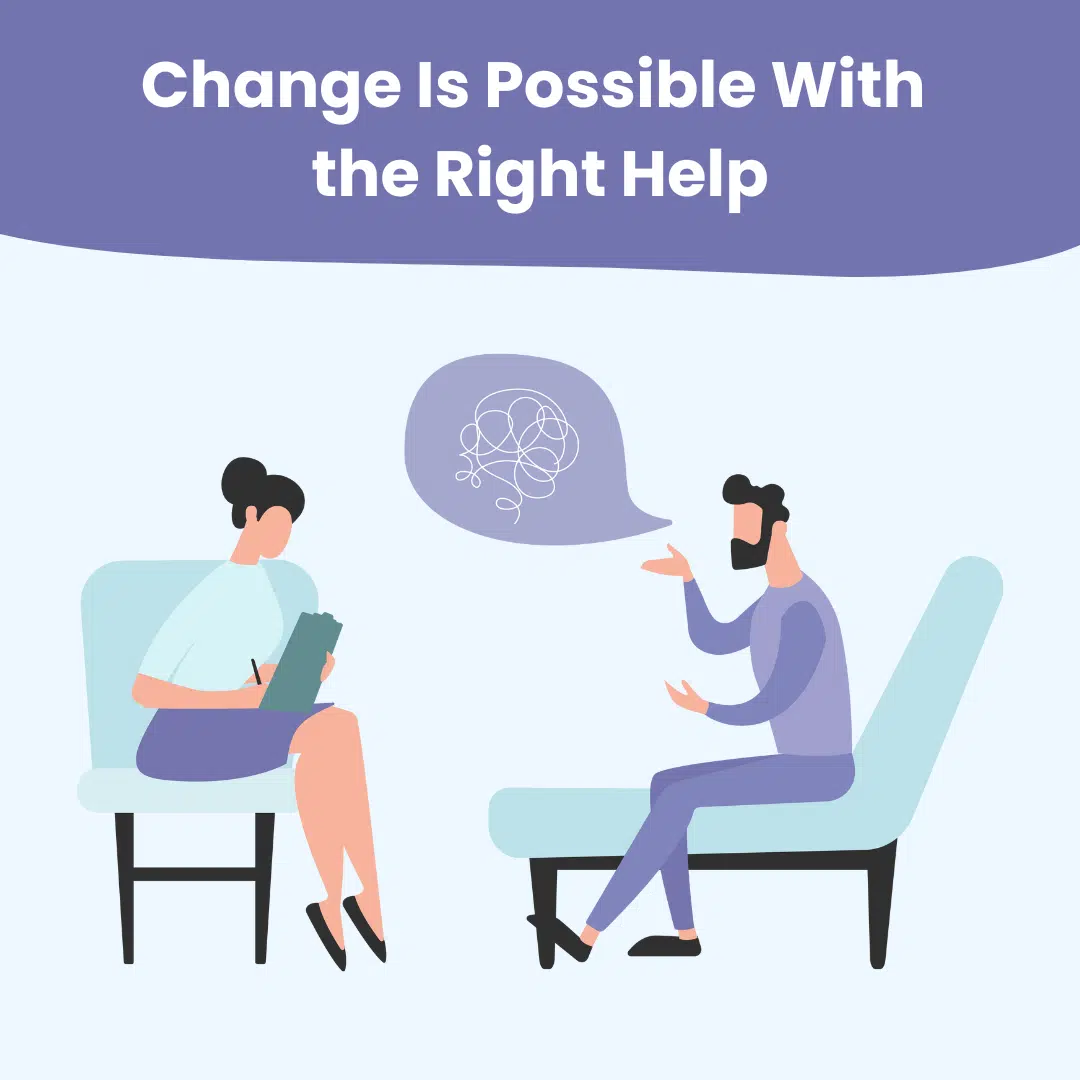
While social anxiety can often feel very overwhelming, change and growth are always possible. Counselling for social anxiety provides you with the right support, tools and space to:
Identify your triggers
Understand why they exist
Reframe negative thought patterns
Learn practical coping strategies
Practise gradual exposure to fears
Improve self-confidence and esteem
Identify your triggers
Identify your triggers
If you’ve been considering therapy for managing social fear in Australia, get started by exploring our counsellor profiles.
Remember, great growth often starts with a single, small step. Yours could be anxiety counselling. 💜
Frequently Asked Questions (FAQs)
1) Can You Achieve Confidence Building through Counselling?
Yes indeed! Confidence-building counselling works by helping you identify limiting beliefs, practise social skills in ways that feel safe, and gradually face situations that trigger fear.
Over time, these steps can help you feel more comfortable and confident in everyday social interactions.
2) Is CBT for social anxiety successful? What is the success rate of CBT for social anxiety?
Research shows CBT is one of the most effective treatments for social anxiety, with studies reporting that it benefits as many as 75% of people.
While success looks different for everyone, most people experience reduced anxiety, lower avoidance behaviours, and increased confidence after engaging in CBT for social anxiety.
3) I’m considering anxiety therapy in Australia. How effective is it in managing social fear?
Anxiety therapy in Australia, especially using evidence-based approaches like CBT, ACT, and exposure therapy, is highly effective for managing social fear.
With regular sessions of counselling for social anxiety in Australia, you can expect to learn coping tools to manage fear, identify and tackle its triggers and also build lasting resilience.
4) I’m looking for therapy for shyness in Australia. Does counselling for social anxiety also focus on shyness?
Yes! While social anxiety and shyness aren’t exactly the same, they often overlap.
Counselling for social anxiety in Australia can also support people who feel shy by teaching confidence-building skills, addressing negative self-talk and thought patterns, and practising social interactions in a safe and supportive way.
5) One of my friends struggles with social anxiety. I want to help them out, but I don’t know how. What are some things I can do?
Here are some things you can do while still respecting their boundaries:
- Offer to accompany them to social events they’re anxious about, if you can
- Let them know that you’re always there for them to reach out to and lean on
- If they’re going through a hard phase, try to check in with them regularly
- Encourage them to seek counselling if they’re open to it