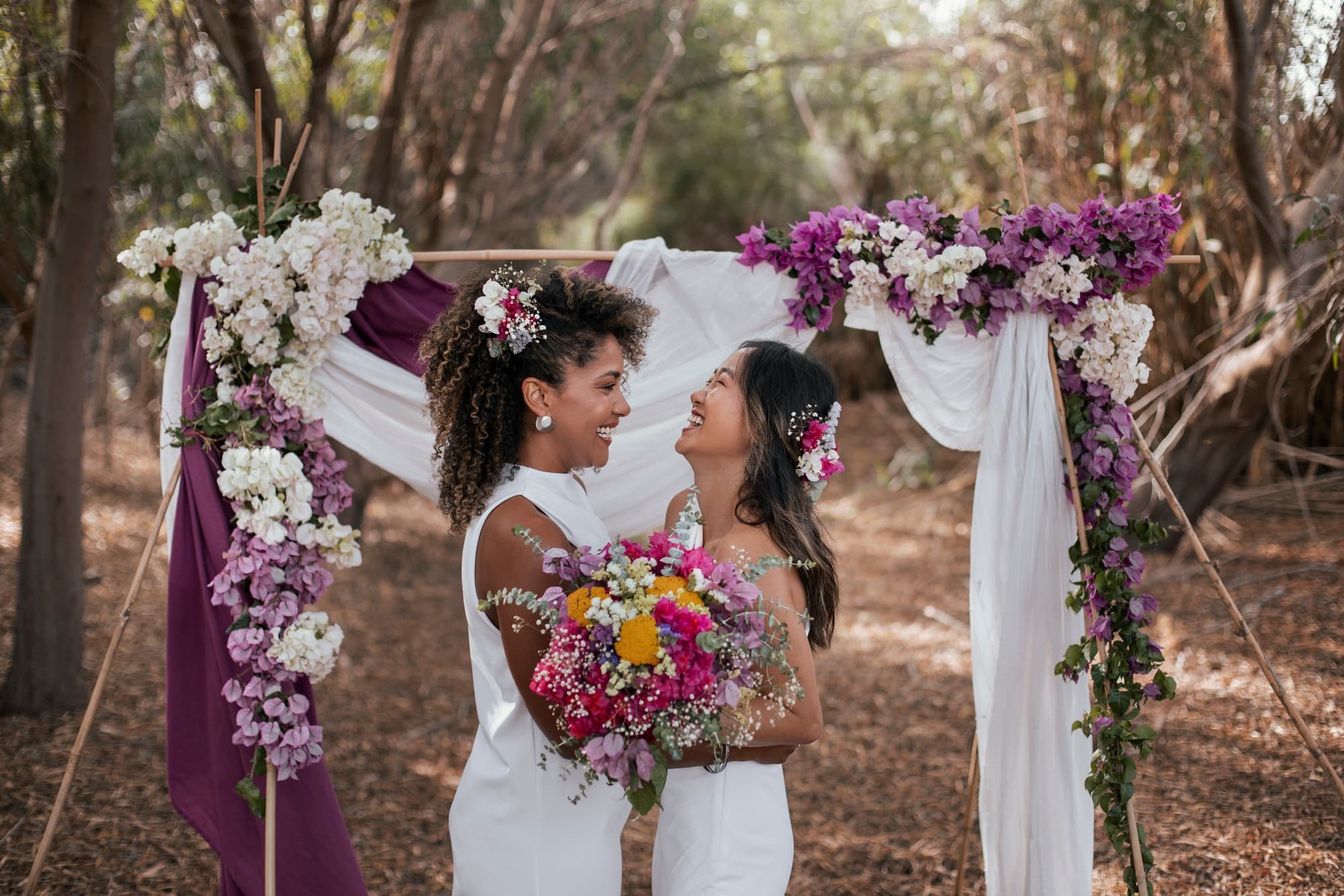
Do you think marriage counselling is only for couples on the verge of separation? In reality, that couldn’t be further from the truth!
According to a recent study, 50% of married couples say they’ve engaged in counselling of some kind.
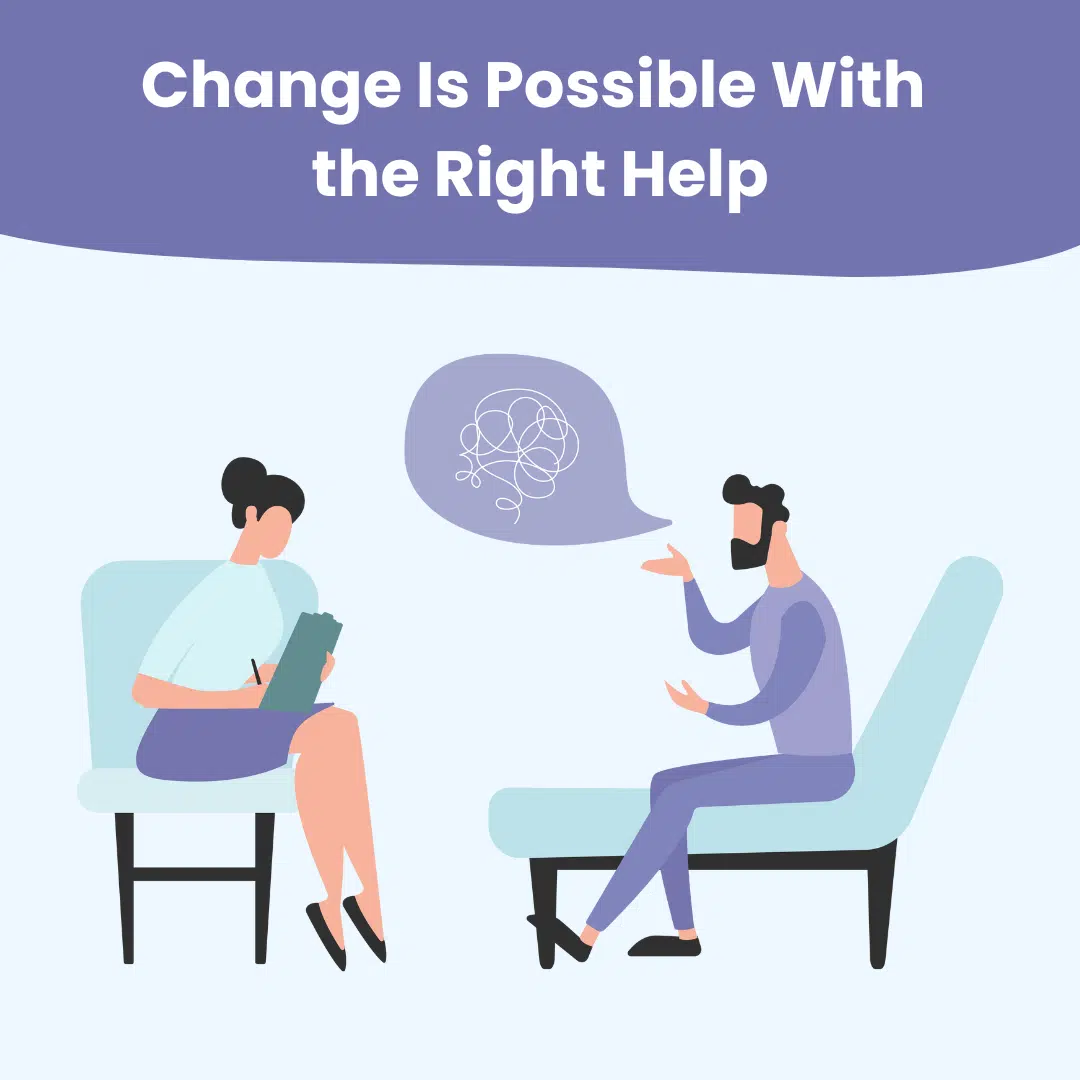
Marriage counselling is a safe space that caters to a wide variety of couples, such as:
- Couples who are newly married
- Couples going through major life changes (eg moving to a different city/country, moving in together, career transitions, etc)
- Couples who are pregnant or have a newborn child
- Couples with clashing values, beliefs and parenting styles
- Couples navigating unsaid expectations and assumptions
- Couples dealing with recurring conflict and arguments
- Couples who have grown emotionally distant from each other
- Couples experiencing intimacy issues
Thus, marriage counselling is a proactive avenue for couples to explore potential issues or newborn issues before they blow up.
You can also engage in marriage counselling to simply get to know your spouse more deeply and strengthen your bond with the guidance of a trained professional.
If you’ve been wondering whether or when to seek marriage counselling, our blog explores common reasons why relationships struggle and five signs that show your relationship may need help. However, remember that you don’t need to have a ‘reason’ to seek any type of counselling.
When to Seek Marriage Counselling in Australia: 5 Signs Your Relationship Needs Help
1) You Feel More Like Roommates Than Partners
Emotional disconnection can be one of the biggest red flags that show things have changed.
While it’s normal for the initial spark of a new relationship to turn into silent connection, feeling like one or both of you has emotionally checked out is not.
Here are some signs of emotional disconnection to look out for:
- You coexist peacefully but lack meaningful connection
- You no longer look forward to spending time together
- You don’t share as many things with each other
- Conversations are mostly about logistics (groceries, bills, chores)
- Affection, both physical and emotional, feels a little forced or absent
- You spend most of your free time apart
- You no longer engage in activities you used to enjoy together
- There’s little to no excitement about shared future plans
- You feel lonely even when you’re physically together
How Marriage Counselling Can Help
Marriage counselling offers you a guided space to understand why you’ve grown apart and how you can reconnect with your partner.
A trained marriage counsellor in Australia can help:
- Rebuild emotional intimacy using tools like love maps, which help partners rediscover each other’s inner worlds
- Improve communication through structured practices like ‘I’ statements or active listening exercises to reduce blame and foster understanding
- Create meaningful couples rituals (eg rituals of connection from the Gottman Method) that encourage bonding in daily life
- Prioritise quality time by using Time-In scheduling techniques to spend time together and reconnect intentionally

2) Life Transitions Are Pulling You in Different Directions
Major life transitions have the potential to affect relationships – be it moving to a new city, switching careers, having a child, or caring for ageing parents. While change is inevitable in life, these transitions can sometimes create distance, misunderstandings and conflict, especially when both partners are not aligned.
Here are some signs that a life transition might be straining your relationship:
- You’re not aligned with the change itself, or a few aspects of it
- Your short-term or long-term goals are different
- One partner is adapting to the change faster than the other
- There are unsaid expectations on one partner to do or not do certain things (due to the transition)
- There’s a lack of emotional support from one partner during a major life shift
- One or both partners feel like they’re making too many compromises
- Your routines are clashing and leading to increased stress
How Marriage Counselling Can Help
Life transitions are one of the most common marital issues that couples bring to marriage counselling.
A professional marriage counsellor can create the right space for you to process these changes together. They can help each of you articulate your expectations, needs and fears around the transition.
Below are some practical tools and techniques you may learn in marriage counselling:
- Values clarification exercises to help identify what matters most to each of you in this new stage
- Future vision mapping to explore shared goals and re-establish a sense of direction in your relationship
- Role negotiation tools to create fairer expectations around responsibilities (eg parenting, household tasks, etc)
- Communication techniques to manage difficult conversations more constructively and objectively
- Emotional regulation techniques, such as mindfulness or grounding tools, to help manage stress and avoid getting caught in immediate reactions

3) One or Both of You Feel Unheard or Unseen
Feeling neglected in a relationship is not always a result of explosive arguments or harsh words. Sometimes, it can look like the quiet absence of empathy, attention or validation in the little moments.
When your thoughts, feelings or needs are not acknowledged over time, it can slowly build up and create distance. You may even subconsciously wonder, ‘Does my partner love me?’.
Some common signs that show you may be feeling emotionally neglected in your marriage are:
- You feel like you’re always the one initiating conversations or affection
- Your partner often interrupts, dismisses, or talks over you
- You don’t feel safe sharing how you truly feel
- You often end conversations feeling misunderstood or invalidated
- Important topics get brushed aside or avoided
- One or both of you rarely check in emotionally anymore
- There’s a lack of appreciation or recognition for your efforts
How Marriage Counselling Can Help
Marriage counselling in Australia can help both partners feel acknowledged and emotionally reconnected by introducing tools that foster active listening and empathy. These may include:
- Reflective listening techniques, where each partner learns to repeat back what they heard in order to ensure mutual understanding
- Emotion labelling exercises to help you identify and express emotions more clearly
- Validation frameworks, which teach you how to acknowledge your partner’s feelings even when you disagree with them
- Communication boundaries, such as time-outs or speaker–listener roles, to avoid emotional shutdowns or power imbalances
- Journaling or regular check-ins to support more meaningful conversations outside of your sessions
Approaches like these help both partners feel seen, valued, and respected – the foundation of a lasting connection and a happy marriage.
4) You Avoid Tough Conversations to Keep the Peace
It may feel easier to sweep things under the carpet than to face difficult conversations. But doing so consistently can lead to unresolved issues and create distance and deeper misunderstandings over time.
Avoidance may feel good in the moment, but in reality, you’re putting off conversations and confrontations that are essential to a healthy relationship.
The following are some signs that this could be happening:
- You hesitate to bring up concerns out of fear that it’ll blow up
- Important (and difficult) topics like money, boundaries and parenting often remain unaddressed
- You sugar-coat how you really feel or keep conversations surface-level
- Conflict is quickly shut down with phrases like ‘let’s not go there’ or ‘it’s not a big deal’
- One or both of you walk on eggshells around each other when hard topics come up
- There’s a pattern of deflecting, minimising, or withdrawing during conflict
- Issues keep resurfacing because they’re never fully resolved
- You find yourself venting to others instead of talking to your partner
How Marriage Counselling Can Help
A marriage counsellor can create a neutral space where difficult conversations can happen without the fear of shame, blame or judgment.
Through marriage counselling in Australia, couples can:
- Explore what’s beneath the avoidance, such as fear of abandonment, past trauma, shame, etc
- Learn conflict de-escalation strategies (in case escalation does happen), such as time-outs, grounding techniques, and setting a ‘pause’ word
- Develop assertive communication skills, where each partner learns to express their needs without blame or defensiveness
- Use structured conversation tools to productively explore tough topics. Eg: ‘speaker–listener technique’ and ‘nonviolent communication (NVC)
These tools, along with the professional guidance of a counsellor, can help reduce fear of confrontation and encourage open and compassionate communication.
5) Your Conflicts Are Impacting Your Mental Health
Did you know that 69% of relationship conflict is perpetual? These are issues that have been brushed under the carpet for a long time and have been around essentially ‘perpetually’.
However, the good news is in the very same statistic – you’re not alone in having perpetual conflicts.
Having said that, when conflicts get to the point of affecting your relationship or worse, your mental health, it’s time to take a step back. Perpetual and intense conflicts can start taking a toll on your mental health, becoming a source of stress and anxiety.
If left unaddressed, this stress can snowball into burnout, depression and even trauma responses. In such cases, it may be best to seek support from a marriage counsellor in Australia.
Here are some red flags that show your relationship stress may be affecting your mental health:
- You feel anxious, on edge, or emotionally drained after interactions
- You struggle with low mood, hopelessness, or a sense of apathy/emotional numbness
- Your sleep, appetite, or concentration is affected due to the ongoing conflict
- You constantly second-guess yourself or feel like you’re ‘walking on eggshells’ around each other
- Your self-esteem and self-confidence have taken a hit over time
- Arguments trigger strong emotional reactions (eg panic, shutting down, heavy crying)
- You find yourself withdrawing from friends or activities you used to enjoy
How Marriage Counselling Can Help
Marriage counselling not only helps improve your relationship dynamics, it also supports each individual partner’s mental health and personal growth journey.
A skilled therapist can help you:
- Explore individual mental health struggles that may be impacting the relationship (eg past trauma, breakups, anxiety, or burnout)
- Identify and break toxic conflict patterns like blame-shifting, defensiveness, or demand-withdraw cycles
- Develop conflict resolution strategies and a mental health toolkit with skills like emotional regulation, grounding exercises, journaling and boundary setting
- Make room for emotional check-ins and shared rituals to ensure that each partner’s mental wellness is acknowledged and supported (eg planned daily walks, weekend dates, movie night-ins etc)
Over time, marriage counselling can help create a healthier relationship dynamic – one where both of you can grow more fulfilled in love and your individual lives as well.

Feeling like you and your spouse are drifting apart?
Find a marriage counsellorFrequently Asked Questions (FAQs)
1) What are some common marital issues explored during marriage counselling in Australia?
Marriage counselling in Australia helps couples work through a wide range of marital issues. Some of the most common marital issues include:
- Emotional disconnection or lack of intimacy
- Struggles with communication, including frequent or perpetual arguments
- Infidelity or breaches of trust
- Conflicting parenting styles
- Disagreements about major life decisions
- Financial stress or misaligned money values
- Mental health struggles impacting the relationship
- Navigating major life changes, such as moving cities, changing jobs, or dealing with grief or illness
- Cultural or interfaith challenges in cross-cultural/national relationships
- Issues around boundaries with extended family
- Unsaid or unfair expectations and assumptions about gender roles, responsibilities, etc
Professional marriage counsellors can help you get to the roots of these issues and explore constructive and practical ways to deal with them and strengthen your marriage.
2) What are some common signs that we need couples therapy?
Here are some tell-tale signs your relationship could benefit from therapy:
- You’re arguing more often than usual or avoiding hard conversations
- Conversations feel tense, too mundane, or surface-level
- You feel emotionally disconnected or distant from your partner
- Small issues seem to always escalate into big fights
- One or both of you feel unseen, unheard, or misunderstood
- Physical intimacy or affection has reduced or feels like a chore
- You’re constantly walking on eggshells to keep the peace
- Life transitions (eg parenthood, moving places, career transitions) are putting strain on your bond
Even if your relationship isn’t ‘on the rocks,’ these subtle signs are your signal that marriage counselling can help a lot. Marriage counselling offers many benefits for couples who aren’t facing active issues as well. Seeking help proactively or early is always a wise choice!
3) We’re not sure when to seek marriage counselling – what’s the right time to start?
Many couples wait until things feel unbearable before reaching out, but counselling isn’t just for crisis moments. In fact, it works all the better when started early.
The best time to start is when you notice patterns that feel unhealthy, or you find yourselves stuck in the same arguments without resolution. Couples who start therapy early often recover from issues more quickly, feel more connected, and experience longer-lasting results.
Also, it’s important to remember that you don’t need to have a ‘problem’ or face any of the discussed signs in order to explore counselling. Many couples engage in counselling to simply deepen their bond!

Key Takeaways
Marriage may not always be a joyride, but it’s the ups and downs that make life that much special.
Your spouse is your life partner – someone to face life’s challenges with, side-by-side. Once in a while, you may find yourself fighting each other instead of or in addition to life’s challenges. And that’s perfectly normal!
However, if you consistently feel like something is not right or if you simply want to connect more deeply with your partner, you can explore marriage counselling in Australia.
So, can marriage counselling save relationships? The short answer is yes – with consistent effort and openness from you and your partner.
When you feel ready, click the "Show all marriage counsellors" button below to browse professional marriage counsellors at TYHO – they’re here to guide you on this journey towards stronger love, connection and fulfilment. 💜

About the Reviewer
Glennamarie MeenachiClinical Psychologist
Glennamarie is a clinical psychologist practising since July 2020, registered with the Malaysian Allied Health Professions Council (MAHPC (CP) 00265) and a Full International Member of the Singapore Psychological Society (FM023020M). She works with mood instability, work-related stress, anxiety, depression, self-esteem, trauma, bipolar disorder, OCD, ADHD and PTSD, conducts psychological assessments for neurodevelopmental conditions (ADHD, ASD, SLD), and previously served as a Crisis Support Officer in vulnerable communities. She reviews TYHO articles for clinical accuracy.
Read more about our editorial process.
View full profile- Master of Clinical Psychology (MClinPsych), University of Cyberjaya (Malaysia)
- Bachelor of Science in Psychology (BSc Psychology), Centro Escolar University (Philippines)
- Standard Mental Health First Aider
- Certified Crisis Support Officer (WAO)
- Malaysian Allied Health Professions Council, Registered Allied Health Practitioner (MAHPC (CP) 00265)
- Singapore Psychological Society, International Full Member (SPS: FM023020M)
- Malaysian Society of Clinical Psychology, Full Member (MSCP: CP1-0350)
- American Psychological Association, International Affiliate (APA: C2405020803)