
Are you reading this at 3 am?
If yes, you’re not alone. Nearly half of Australians struggle with sleep problems.
While certain habits, like cutting caffeine in the evening, can help temporarily, if you’re unable to get quality sleep for several days at a stretch, you may benefit from professional help.
Let’s look into how online counselling can help you, go over common types of sleep therapy, and answer frequently asked questions about mental health and sleep.
Struggling to fall (and stay) asleep is frustrating. Lack of quality sleep can cause hormonal imbalance (eg feeling irritable) and physical health issues like bloating and headaches.
You may start to dread bedtime and turn to your mobile or other entertainment to avoid tossing and turning. This eventually leads to a negative and harmful cycle.
For example, sleep issues can show up in the following ways:
The unhealthy sleep patterns may lead to insomnia or sleep disorders. And yes, sleep is directly linked to poor mental health and well-being.
So if you can’t sleep, what helps? The section below explores how online counselling can be an effective intervention for sleep issues.
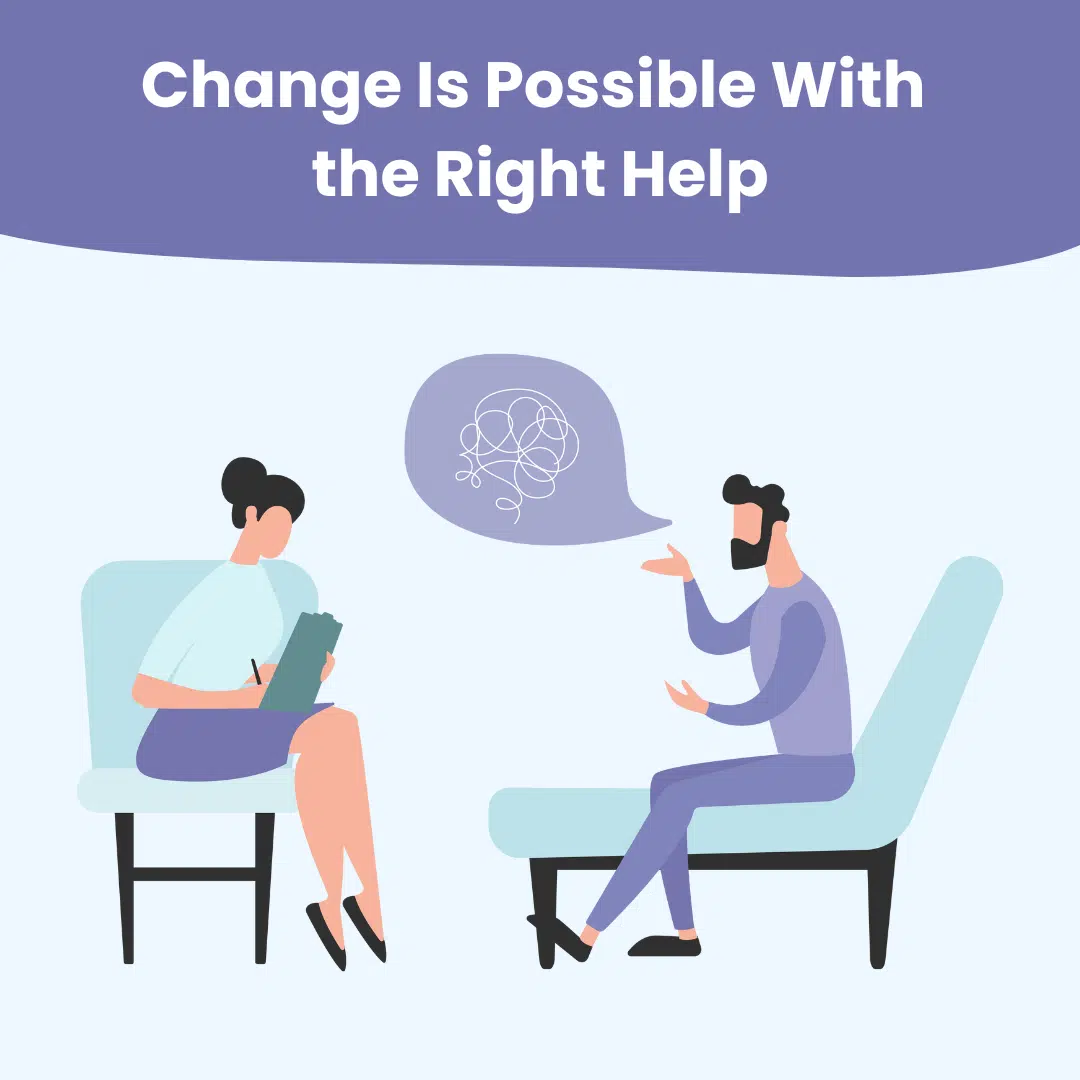
Online counselling is a structured process to help you explore any deep-rooted issues that may be contributing to the lack of quality sleep.
Sessions online are confidential, accessible, and easy to start, especially if it’s your first time seeking counselling or if you’re someone who’d rather attend sessions from the comfort of your bed.
Online counselling is similar to in-person counselling. It is a modality of therapy that is delivered over the internet, either through audio or video calls.
Some professionals may also offer support through live chats.
For sleep issues, you may work with a therapist in Australia who has experience in one or all of the following areas:
Therapists in Australia may use the following approaches during sessions:
The primary approach is used in conjunction with other therapeutic techniques like sleep journaling, exposure, and dialogue-exchange.

After you book an online counselling session with a TYHO counsellor, you may work on building rapport and getting to know each other better.
Below is a quick guide on what the first couple of sessions may look like:

Australian Therapists may use diverse tools to help you get back into a healthy sleep routine.
Below are some common therapeutic techniques:
It’s no surprise that sleep problems are strongly associated with anxiety and loneliness. However, when you’re in the middle of the problem, it can be hard to identify the trigger that’s leading to either lack of sleep or anxiety or both.
For example, not sleeping enough may lead to anxious thoughts like, ‘I’m going to fail my exam tomorrow’, or ‘I don’t think I can ever sleep properly.’ In turn, these anxious thoughts may result in less sleep and keep you up at night.
Online counselling can help you deal with the negative cycle of anxious thoughts and lack of sleep.
For example, during sessions, you may learn how to:
For example, someone might come to therapy saying, ‘I dread bedtime. I lie there thinking about everything that could go wrong.’ Through online counselling, they start to recognise the patterns, work on calming strategies, and over time, their sleep improves.
While online counselling is a great way to fix any prolonged sleep issues, there are also some practical steps you can take at home to make a noticeable change in your sleep quality.
Most of the time, our brain needs signals to wake up and fall asleep. Based on these signals, the brain sends messages to the body. This is because our brain thrives on routine.
While a strict routine may not work for everyone, it’s helpful to create a consistent structure. Here’s how to do it:

Similar to creating a routine, you may also need to create certain cues to indicate that it’s sleep time. This is best done by arranging your surroundings in a way that makes you feel sleepy.
For example, avoid working in the same area as you fall asleep. Keep some calming lights or light up scenes near your bed. Using your five senses to create a cue works the best.
You can also make use of comforting pillows and blankets. For example, when it’s bedtime, tuck yourself into a blanket, turn on some light music, and light up a candle. This series of activities, once followed consistently, can trigger your brain to activate the ‘sleep mode’.
While journaling may not directly make you fall asleep sooner, it can help you identify the issues that may be affecting your sleep quality.
For example, before going to sleep, write down your thoughts. What are you thinking about? Are your thoughts negative or positive? Do you feel calm or anxious about falling asleep?
Similarly, right after you wake up, journal your reflections. What was your sleep quality like? How many times did you wake up, and why? How long did it take for you to fall asleep again? What were your thoughts when you were up at night?
As you continue journaling, you may start to find triggers and cues that can help you fix your sleeping patterns.
Online counselling helps improve the quality of your sleep.
Sleep is related to several mental health stressors, like anxiety and depression. This is best addressed during a counselling session.
You can always start slow and book a session with one of the TYHO counsellors in Australia. Consistently attending sessions and being proactive are scientifically proven ways to achieve positive therapy outcomes.
If you’re looking to get started, book an online counselling session today.

Yes, research shows that online counselling in Australia helps address sleep issues, especially with evidence-based tools like CBT.
Therapy can also help you manage other underlying conditions like anxiety, depression, and mood swings.
To start online counselling at TYHO, review and shortlist a Therapist in Australia. Look for professionals with experience or background in insomnia, sleep issues, or anxiety.
Choose a time, date, and modality that works for you. You can also filter therapists based on gender, preferred language, and age group.
After you pay, you will find the session details and the video link on your dashboard. Click the link on your dashboard to attend the session.
Mental health and sleep are closely connected. For example, on the one hand, people who have anxiety or depression may find it harder to fall asleep.
On the other hand, people struggling with fatigue or stress may sleep for extremely long hours and still wake up feeling unrefreshed.
Hence, it’s important to take a holistic approach to fix sleep issues.
Yes, you can start therapy for insomnia in Australia. TYHO offers online counselling with Therapists who are well-qualified and experienced in addressing sleep-related issues.
Online sessions are for everyone, provided you have a stable internet connection and a functioning device.
If you need help choosing a Therapist, reach out to us at [email protected].
If you are in crisis, or another person may be in danger, do not use this site. Please refer to these resources instead.





Mon - Fri (excluding public holidays)
9.30 AM - 6 PM (+08:00 GMT)

TYHO acknowledges the Traditional Owners of the lands on which we work and pays our respects to Elders past, present, and emerging.

TYHO is committed to creating an inclusive space and welcomes people of all backgrounds, genders, sexualities, abilities, and cultures.
© 2026 Talk Your Heart Out Pte Ltd
Need Help? Chat with us