
Did you know that Australia, alongside New Zealand, has the second-highest rates of work stress in the world? Clocked at a whopping 47%, Australians are regularly dealing with high amounts of stress in their daily work life.
Even outside work, surveys find that nearly 50% of Australians who attended report high to very high stress levels in the past month.
So, how do we deal with this seemingly increasing and ever-present stress? We’re here to take you through one of the most widely preferred support options: stress counselling in Australia.
Depending on the type and amount of stress you experience, there are various options available, including:
But what exactly happens in these sessions? How do you know when to reach out? And how will they actually help you? Read on to find out!
When we say work stress, most people are likely to think of endless workloads and late nights.
But these are not the only reasons why people experience stress and choose to seek stress counselling in Australia.
In reality, the sources of stress can be much more varied and complex, and often harder to switch off from.
Here are some common struggles that Australians face when it comes to managing work-life stress in Australia:
With remote work and smartphones, many employees feel like they’re never truly off the clock. Work emails after dinner, weekend deadlines, and the pressure to always be available can leave little room for rest.
Australia’s competitive job market can push people to try to prove themselves constantly. Meeting deadlines, putting in extra hours and outperforming peers can become a relentless cycle, leading to chronic stress and burnout.
Many professionals set incredibly high standards for themselves. While striving for the best can be motivating, perfectionism often ends up fuelling anxiety, self-criticism, and an ongoing fear of failure.
Even skilled, experienced workers can sometimes feel like they don’t truly belong in their role. This ‘imposter’ feeling can create tremendous stress, especially when paired with performance reviews or new responsibilities.
Insecurities like these are also closely linked to perfectionism, anxiety, self-criticism and low self-esteem at work.
Rising living costs, fear of layoffs, and contract-based work add another layer of stress.
When job stability doesn't exist, it’s not easy to feel safe or plan for the future. This, in turn, can lead to stress and burnout.
We carry many personal responsibilities outside work, including parenting responsibilities, household chores, and caring for ageing parents. Balancing these demands alongside professional pressures can quickly become overwhelming.
In fact, while stuck in the corporate marathon, we often tend to forget that work is just supposed to be one part of our life, not the only one.
Social comparison at work and online can leave people feeling like they’re not good enough for their jobs, that they’re not earning enough or that they’re not successful enough.
Whether it’s about missing out on promotions, events, or opportunities, this fear of falling behind can add invisible stress.
Micromanagement, lack of recognition, bullying, or office politics can take a serious toll on your mental health.
In addition to mental health, a toxic workplace environment affects a host of factors like job satisfaction, productivity, self-esteem and even overall well-being.

It’s absolutely normal to feel stressed during busy periods at work. But when stress lingers or starts interfering with your health, relationships, or overall well-being, it may be time to reach out for support.
Stress counselling in Australia provides a safe, non-judgemental space to understand what you’re going through and learn healthier ways to cope with your struggles.
Here are six red flags that suggest it may be time to consider counselling:
If stress doesn’t ease even after deadlines pass or apparent problems get resolved, it could be a sign it’s no longer just situational.
Chronic stress can lead to exhaustion, irritability, burnout and long-term mental health concerns.
Track your stress levels over a week using a journal or app.
If every day or a majority of days feel overwhelming, it may be worth exploring counselling.

Workplace stress often shows up physically in your body, through insomnia, irregular appetite, or ever-present fatigue. These symptoms can affect both your work productivity and your personal life.
They are your body’s way of signalling that something is not quite right and asking you to slow down and reset.
Try small lifestyle adjustments like setting a consistent bedtime, limiting caffeine late in the day, and taking short daily walks.
If such changes don’t help or if it's hard to make them, stress counselling can support you with tailored strategies and the professional guidance of a trained counsellor.
If you find yourself zoning out in meetings, missing deadlines, or unable to focus, stress may be overwhelming your concentration and productivity. Over time, this can create more stress, fueling a vicious cycle.
Break tasks into smaller and manageable steps and use tools like the Pomodoro technique (15 or 25 minutes of work followed by a short break of 5 minutes).
Counselling can also help you build realistic time management skills and other coping techniques.
Stress doesn’t just stay at work. It often spills over into your interactions with family, friends, and colleagues. If you’ve been snapping at loved ones, withdrawing socially, or avoiding conversations, these are red flags.
Practise brief daily check-ins with someone you trust.
If maintaining relationships still feels draining, mental health counselling in Australia can help you learn healthier communication and coping strategies.
Using alcohol, overeating, or excessive screen time to numb stress may bring temporary relief, but in the long run, these habits can worsen anxiety and overall health.
Replace such unhealthy habits with more nurturing ones, such as short exercise breaks, using mindfulness apps and journaling.
Counsellors can support you in developing such healthy coping alternatives that work for you.
When you feel disconnected from your work, colleagues, or even yourself, or feel like you’re spacing out a lot, you may be experiencing burnout.
Burnout is more than just fatigue. It’s accompanied by emotional exhaustion, detachment, dissociation and even physical symptoms like headaches, chronic pain and gut issues.
Try to note if you’ve stopped enjoying activities you once valued.
Counselling can help you reconnect with your sense of purpose and get back into things that bring you joy.

It’s a common misconception that therapy is just about sitting and venting to your therapist.
In reality, however, it offers a host of practical tools, therapeutic strategies and structured support to help you regain balance in life.
Many people find that mental health counselling in Australia not just helps them deal with immediate struggles, but also helps build long-term emotional resilience.
Below are some key benefits you can expect from burnout therapy and workplace stress counselling:
Workplace stress and burnout are more common than many realise, and you don’t have to manage them alone.
Stress counselling can provide a safe space to be heard and understood while also equipping you with the tools to manage and recover from stress and burnout.
We’d like to remind you that there is no right time to seek mental health counselling in Australia. Similarly, there is no right reason either. Help is just a click away, no matter the issue you’re facing and no matter its severity.
Click the “Show all counsellors” button below to get started with managing work-life stress. 💜
If stress feels constant, is affecting your sleep, health, or relationships, or you notice signs of burnout, it may be time to seek stress counselling.
However, remember that there’s no right or wrong time to seek help.
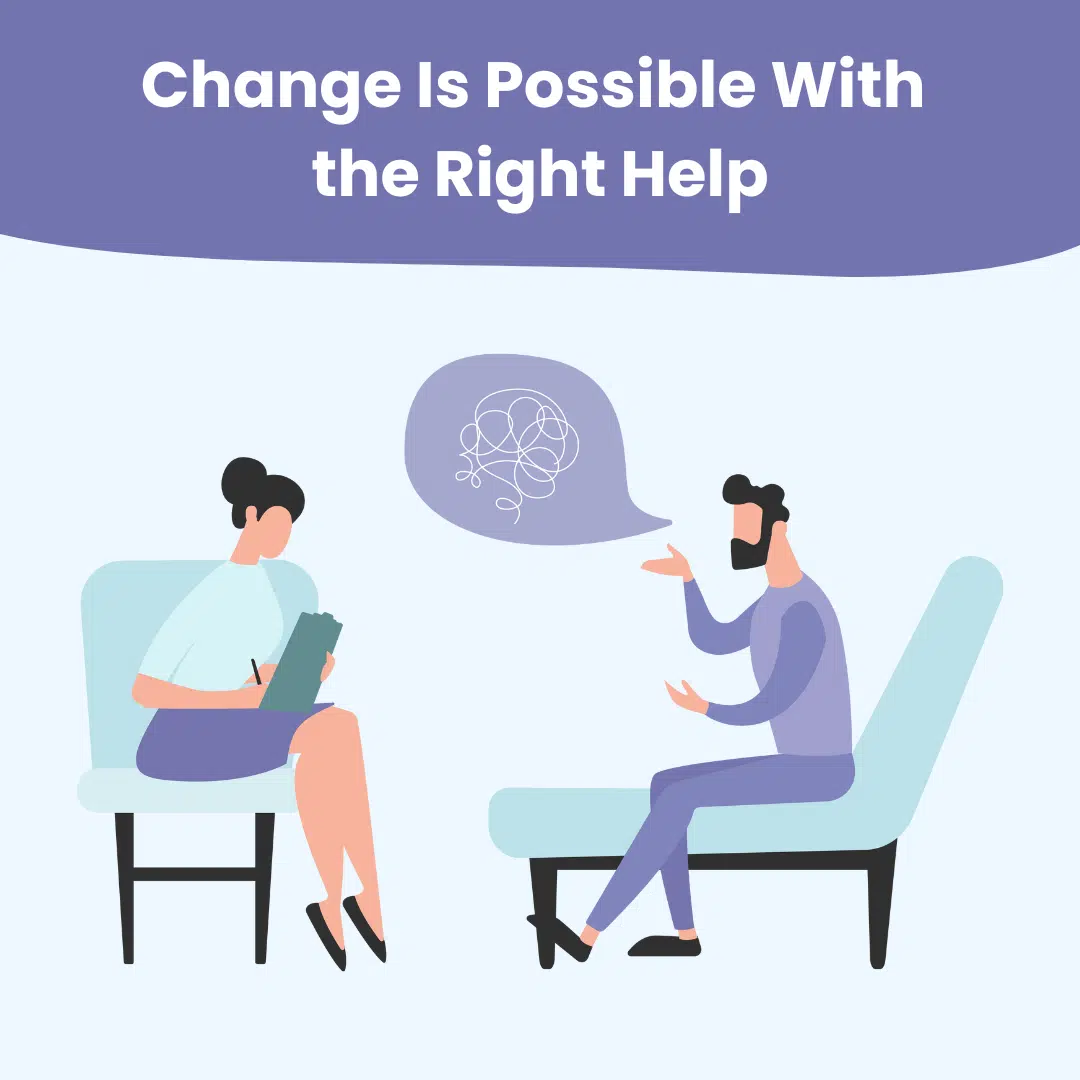
Stress counselling sessions in Australia usually involve talking about your stress triggers, understanding how they affect you, and learning coping techniques.
Counsellors may also guide you in practical aspects, such as setting work-life boundaries, managing anxiety, and building resilience for the future.
Yes. Everything you share with a TYHO counsellor or psychologist is confidential, unless there’s a serious risk of harm to yourself or others.
The duration of stress counselling depends on various factors, including your issues and their severity. Some people feel better after a few sessions, while others may continue for several months. Your counsellor will work with you at a pace that feels right for you.
If you are in crisis, or another person may be in danger, do not use this site. Please refer to these resources instead.




Mon - Fri (excluding public holidays)
9.30 AM - 6 PM (+08:00 GMT)

TYHO acknowledges the Traditional Owners of the lands on which we work and pays our respects to Elders past, present, and emerging.

TYHO is committed to creating an inclusive space and welcomes people of all backgrounds, genders, sexualities, abilities, and cultures.
© 2026 Talk Your Heart Out Pte Ltd
Need Help? Chat with us