
According to therapists, many partners come to couples counselling ‘too late’.
Couples often face a dilemma when it comes to seeking help: consulting a therapist too early may make them feel judged for overcomplicating the situation, while waiting too long could lead to questions about the stability of their relationship.
Dealing with external stressors and pressure can often confuse us - we feel stuck and lose sight of what led us to seek help in the first place.
Couples fight or struggle to maintain their bond due to several reasons. Some examples could include high expectations (often leading to resentment), misaligned goals, and differing needs, among others.
If the bad outweighs the good in a relationship, you may wonder: Should we talk to a professional?
Even so, most people may be unaware of when to seek couples counselling. In this article, let’s look into the signs you need therapy, relationship red flags, and how counselling can help rekindle your romantic life.
Couples counselling is also known as relationship therapy or marriage counselling. Here, we may use all three terms interchangeably.
Like individual therapy, couples counselling is also a structured intervention to help partners work through their personal and interpersonal issues. The primary goal of couples therapy is to improve the relationship with your significant other.
An expert therapist may provide a safe and non-judgmental environment to:
Each therapy session is personalised to a couple's needs and presenting problems. Examples of presenting problems could include:
Think of couples counselling as an intervention (ie preparing for potential damage before a crisis occurs). For a relationship to work, the people involved may need to think and behave proactively.
If you’re asking the question of when to seek couples counselling, you’re already being proactive.
The signs a couple needs help could differ based on their dynamics, relationship style, and personal needs. However, take this section as a starting point to identify if any of the following signs apply to your relationship in a specific way.
How long has it been since you paused and asked how you feel about yourself, your partner, and the relationship? What sort of emotions do you feel when you think about your loved one?
If you feel indifferent or nothing particular comes up, it may be a sign of emotional withdrawal. Sometimes, feelings of regret and sadness could also indicate withdrawal.
However, remember that emotions are fleeting and change with time. Your sadness or numbness could also be a sign that you desire to improve the bond or envision a partnership you once had.
Being emotionally withdrawn could look like:
For example, imagine you have a long day. You return home and immerse yourself in your phone. You struggle to open up and start a conversation. Your partner senses something is wrong but doesn’t really ask. The silence then becomes part of the emotional withdrawal you may both be experiencing.
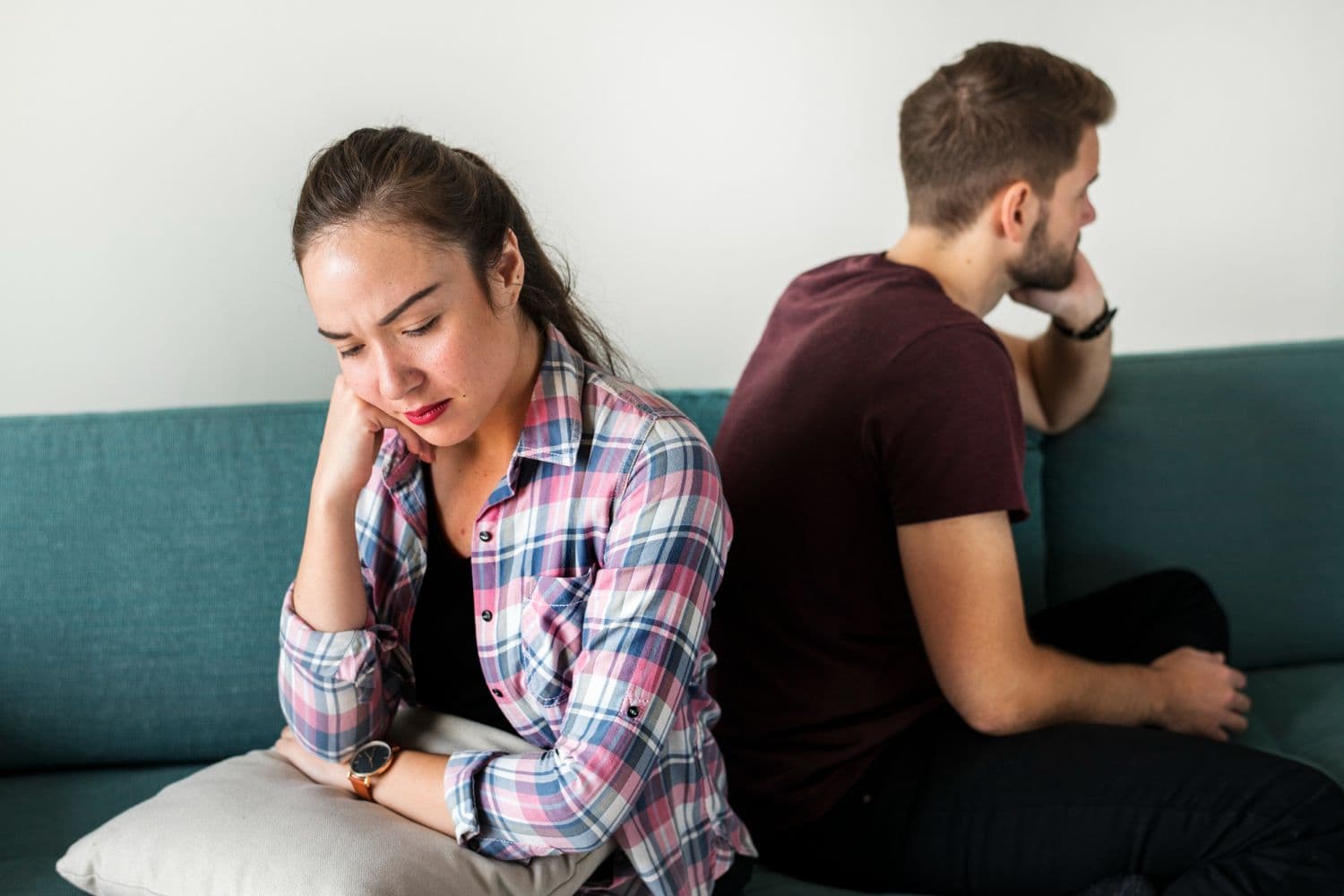
Here’s an activity for you: Look at your partner (or an image of them). Right now, if you had to open up about something you’ve been keeping from them for a long time, would you do it? Do you feel safe to bring up sensitive topics?
If you answered ‘no’, you may face trust issues. An individual could develop trust issues for many reasons. These can include:
You may feel compelled to constantly check your partner’s phone, ask them several questions about their whereabouts, or feel like they’re lying about their daily activities.
If you relate to any of the above examples, you may benefit from seeking couples counselling with your partner, especially if you’re in a new relationship.
How often do you and your partner have a conversation that doesn’t lead to a fight or a misunderstanding? Or, does communication (the deep kind) ever happen these days?
A lack of verbal communication over time can leave you feeling sad, frustrated, confused, and stuck.
Think of it as ghosting (ie ending contact suddenly and without an explanation). While ghosting is common in online dating (provided the people haven’t gotten to know each other very well), it could be painful for someone who’s already in a relationship.
You still see each other, talk to common friends, or do routine activities like cleaning. Still, true conversation and connection would feel out of reach.
Below are some common signs you might need help with communication:
Think about this: how physically close and affectionate do you feel with your partner? If your partner sits close to you or tries to hold your hand, how do you react?
Sometimes, withdrawing physically can be a subtle process. You may immediately think of a chore and move to a different place or excuse yourself because of an itch. At other times, the withdrawal may occur overtly. For example, saying no to a touch or showing annoyance through facial expressions and gestures.
If you relate to the above, you may be physically withdrawing from your partner (or vice versa). Other common signs of physical withdrawal include:
A strong sign is if you return home after work and retreat to a separate space. You do this simply to avoid small touches like a hug or a kiss.
Couples can benefit from couples therapy at pivotal moments, such as before moving in together, deciding about the future, or meeting each other’s parents and loved ones.
These are times when you may simply wish to return to basic interpersonal skills, such as communication, attachment, and conflict resolution.
Wanting a healthier relationship is a valid reason to seek professional support.
Some couples proactively seek therapy in Australia because they want to:
Imagine you’re buying a plant for the first time. Wouldn’t you first work with a gardener or expert to learn how to water it and which fertilizer to use?
Couples counselling is similar to that process - identifying what works (and what doesn’t) for each other before moving in or taking big decisions.

Sometimes, daily stressors or mental health issues are not the only factors causing a drift. Some deeper red flags could potentially harm you.
Below are some of the most common relationship red flags to look out for:
If you identify any of these red flags in your relationship, it’s a sign that you may need couples counselling.
Counselling can help identify and address these negative patterns in a safe environment. In some cases, therapy may also help you explore whether staying in the relationship is healthiest for your mental peace and well-being.
Couples counselling is an intervention that can help you prepare for a crisis. In summary, being proactive about seeking support strengthens your relationship and prevents misunderstandings.
If you’ve noticed any red flags in your relationship or are struggling to communicate with or understand your partner, talking to a professional can help.
“The quality of your relationship can determine the quality of your life.” (Esther Perel)

If you’re wondering about the right time for couples therapy, take comfort in knowing that it’s always okay to reach out whenever you feel ready.
Since each relationship is unique, there isn’t a set timeline for when to get help. Therapists encourage couples to seek support whenever they feel it would benefit their relationship or well-being.
If you’re newly in a relationship, you don’t have to wait for a crisis to talk to a counsellor. If you’ve been together for years, it’s never too late to explore deep-rooted issues and find solutions.
Each couple's counselling session lasts about one hour. You and your partner would meet an expert to discuss various issues, relationship history, life goals, and expectations for therapy.
The sessions are usually a mix of:
The frequency of sessions may depend on your finances, presenting problems, needs, and requirements. At TYHO, most clients seek therapy once a week or every other week to achieve a positive therapy outcome.
The end goal of couples counselling in Australia is to:
For some couples, that means growing stronger. For others, it may mean parting ways with compassion and clarity.
To find the right couples counsellor, visit https://app.talkyourheartout.com/. Here, you can find Therapists based on:
Try to shortlist a Therapist based on your preferences. For example, if you easily open up to someone of the same gender, look for therapists who match this aspect.
If you’re someone who is creative and prefers to engage in art or reflective conversations, look for Therapists who offer art therapy or person-centred therapy.
At TYHO, you can also read client testimonials and watch the Therapist’s short introductory videos to make your final decision.
If you’re still unsure of whom to book a session with, please write to us at [email protected].
If you are in crisis, or another person may be in danger, do not use this site. Please refer to these resources instead.


Mon - Fri (excluding public holidays)
9.30 AM - 6 PM (+08:00 GMT)

TYHO acknowledges the Traditional Owners of the lands on which we work and pays our respects to Elders past, present, and emerging.

TYHO is committed to creating an inclusive space and welcomes people of all backgrounds, genders, sexualities, abilities, and cultures.
© 2026 Talk Your Heart Out Pte Ltd
Need Help? Chat with us