

Our thoughts, emotions, and behaviours are closely connected to each other. When one changes, the others often shift as well.
Behavioural therapy focuses on this connection between our thoughts, emotions and behaviours.
Making small behavioural changes over time can lead to improvements in mood, stress levels, and overall mental wellness.
Many psychologists use behavioural therapy techniques as part of evidence-based treatments such as Cognitive Behavioural Therapy (CBT). In this guide, we look at several common techniques and how they are used in therapy.
TYHO provides in-person and online therapy in Singapore. Our platform connects clients to vetted and experienced Psychotherapists, Psychologists, and Counsellors in Singapore. We refer to all our mental health professionals collectively as "Therapists", given the overlap in their scopes of practice. A majority of our Therapists are members of recognised bodies such as the Singapore Association for Counselling (SAC) and the Singapore Psychological Society (SPS). If you'd like help with selecting someone suitable, WhatsApp us at +65 9831 0005 or email us at [email protected].

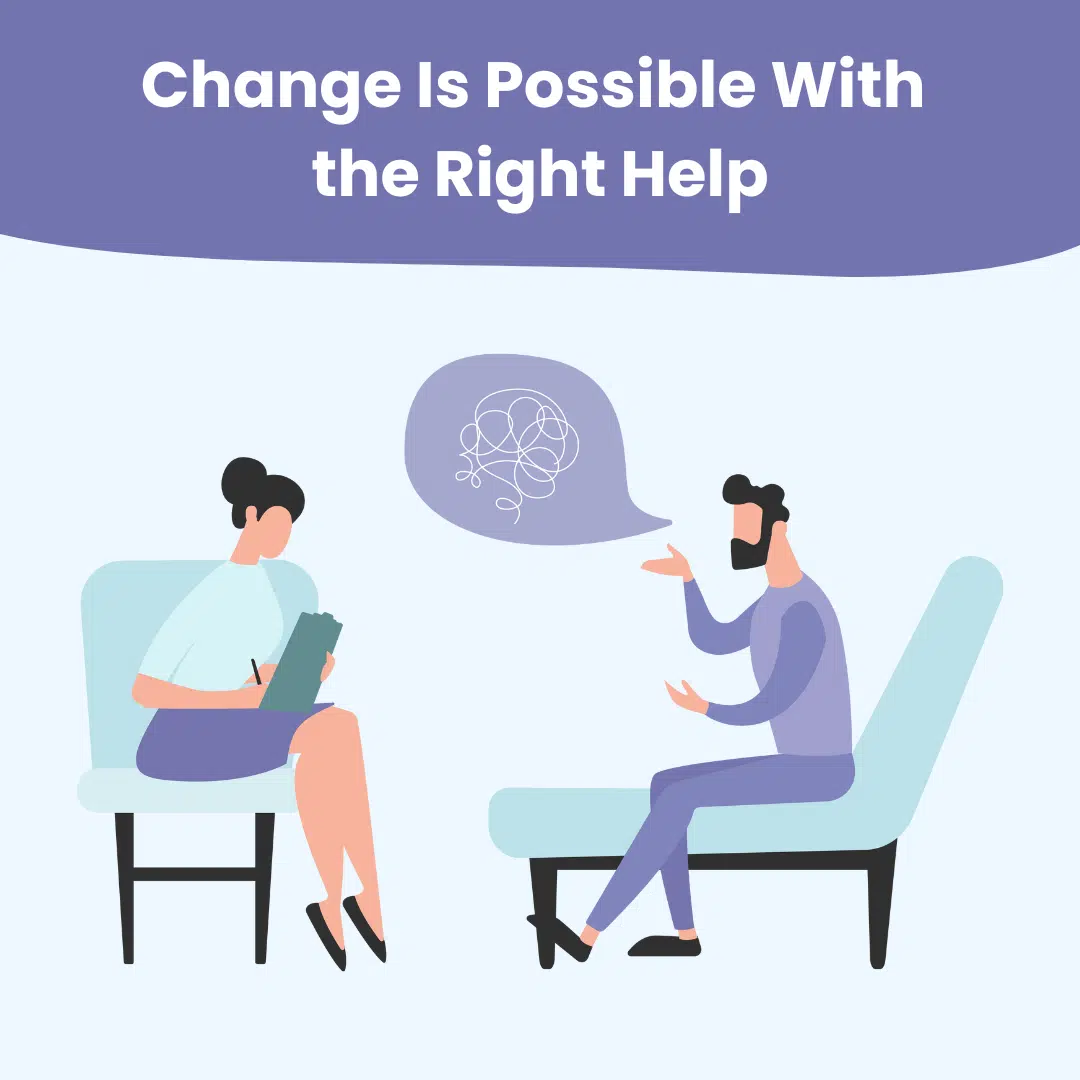
Behavioural therapy is a form of psychotherapy that focuses on identifying and changing behaviours that may contribute to emotional distress.
Rather than focusing on past experiences or root causes, this approach often looks at current habits and patterns that could be contributing to the way you feel. Behavioural therapists help individuals identify these and subsequently replace them with healthier behaviours and coping strategies.
Behaviour therapy techniques such as systematic desensitisation, positive reinforcement, and aversion therapy are commonly used in individual therapy as well as in couples counselling.
Behavioural therapy developed from early research in behavioural psychology during the 20th century. Researchers discovered that behaviours are our learned responses to environmental stimuli. Subsequent researchers went on to establish techniques to help modify behaviours and improve mental well-being.
Over time, these ideas evolved into the field of behaviour therapy as well as modern therapies such as Cognitive Behavioural Therapy (CBT), which combines behavioural strategies with techniques that address thought patterns.
Today, behavioural therapy is considered an effective evidence-based therapeutic approach used by many psychologists around the globe.
TYHO psychologists may use several behavioural therapy methods during sessions to help people change patterns that are unhealthy or harmful in nature. Some common ones are discussed briefly below:
The exposure therapy technique is often used to treat anxiety and phobias. It involves gradually and safely facing a feared situation instead of avoiding it. Repeated exposure can help reduce fear of an experience or situation over time.
Behavioural activation is a technique that is commonly used in behavioural therapy for depression. It encourages individuals to engage in meaningful activities even when their motivation levels are low.
It works based on the fact that even simple actions, such as taking a short walk, meeting a friend for coffee, or completing small tasks off your to-do list, can slowly improve your mood.
Systematic desensitisation helps reduce anxiety by combining gradual exposure to feared situations with relaxation techniques such as deep breathing, meditation and progressive muscle relaxation.
It’s commonly used to manage phobias, anxiety disorders, as well as Post Traumatic Stress Disorder (PTSD).
This technique was developed by Joseph Wolpe, and it works by pairing anxiety-provoking scenarios with calm states of mind in order to break the link between fear and the trigger.
Reinforcement strategies focus on strengthening positive behaviours through rewards.
Professional psychologists may encourage rewarding healthy habits and tracking progress to increase motivation and consistency
For instance, if you’re someone who loves chocolate, your positive reinforcement could be a piece of your favourite dark chocolate every time you replace an old behavioural pattern with a new one you’ve come up with in therapy.

Since CBT evolved from behavioural therapy, many behavioural strategies are also used by therapists practising CBT. In the section below, we take a quick look at three CBT techniques used by psychologists.
Cognitive restructuring can help you identify and challenge negative thinking patterns (which are called automatic negative thoughts). This allows individuals to replace unhelpful thoughts with more balanced and rational ones.
Thought records are structured exercises that help you track situations and the thoughts and emotions they bring up. This technique helps people recognise patterns over time and work on developing healthier responses.
Role playing is another CBT technique which involves acting out scenarios, such as social interactions and assertive communication. It can help to build confidence and develop better interpersonal skills, specifically for those struggling with social anxiety or any particular phobias.
Behavioural therapy approaches such as CBT are considered highly effective for anxiety. Therapists may suggest a short-term, goal-oriented therapeutic plan involving techniques such as exposure therapy (to face anxious situations better), cognitive restructuring (to challenge and replace irrational anxious thoughts with balanced ones), and relaxation techniques (to cope with physical symptoms of anxiety).
Research shows that CBT is consistently effective for anxiety disorders, including posttraumatic stress disorder, obsessive-compulsive disorder, panic disorder, generalised anxiety disorder, social anxiety disorder, and specific phobias.

Similar to anxiety, behavioural therapy is also an effective therapeutic approach for depression.
Here, the focus would be on changing patterns of avoidance and inaction that fuel and maintain low mood and motivation.
Techniques like behavioural activation can help people reintroduce meaningful and pleasant activities into their daily lives.
Additionally, counsellors may also encourage setting small, achievable goals such as taking a shower every day, going for a five-minute walk, or watering your succulents.
Over the course of time, these seemingly small actions can build energy and improve mood, bringing back one’s sense of self.
The core idea behind behavioural therapy techniques is that small, consistent actions can lead to meaningful change in the ways we think and feel.
By focusing on identifying and reframing behaviours that further distress, therapists help you develop practical strategies to cope with anxiety, depression, stress, and other mental health issues.
If you are considering starting behavioural therapy, an experienced TYHO psychologist can guide you through these techniques in a way that fits your needs and goals.
Get started today by clicking on the “Show all psychologists” button below.
If you are in crisis, or another person may be in danger, do not use this site. Please refer to these resources instead.


Mon - Fri (excluding public holidays)
9.30 AM - 6 PM (+08:00 GMT)
© 2026 Talk Your Heart Out Pte Ltd
Need Help? Chat with us