
Have you ever felt annoyed or irritated with your partner over something small, only for the feeling to last longer than the situation would usually call for?
If so, that’s a strong indication of resentment in a relationship.
Resentment develops quietly and over time, so it’s hard to identify how and when it grew so big. It occurs due to minor disappointments, unmet needs, or not feeling heard or seen by your partner.
Feelings of anger or resentment are common themes addressed during couples counselling. This is why we’re writing this guide to help you identify 9 warning signs of resentment and how counsellors can help you navigate these feelings.
Introduction to TYHO
TYHO provides in-person and online therapy in Singapore. Our platform connects clients to vetted and experienced Psychotherapists, Psychologists, and Counsellors in Singapore. We refer to all our mental health professionals collectively as "Therapists", given the overlap in their scopes of practice. A majority of our Therapists are members of recognised bodies such as the Singapore Association for Counselling (SAC) and the Singapore Psychological Society (SPS). If you'd like help with selecting someone suitable, WhatsApp us at +65 9831 0005 or email us at [email protected].

What is Resentment in a Relationship?
Resentment in a relationship is a persistent feeling of anger, disappointment, or unfairness towards your partner. It usually develops when your partner ignores your emotional needs or when neither of you resolves conflicts in a healthy way.
Resentment is usually associated with suppressed or unregulated emotions (ie feeling something but struggling to identify or process it).
For example, when you ignore feelings like hurt, frustration or anger, rather than disappearing, they tend to stay suppressed in your mind and body and surface in unexpected and unpleasant ways. This is why you or your partner could react strongly to a minor inconvenience.
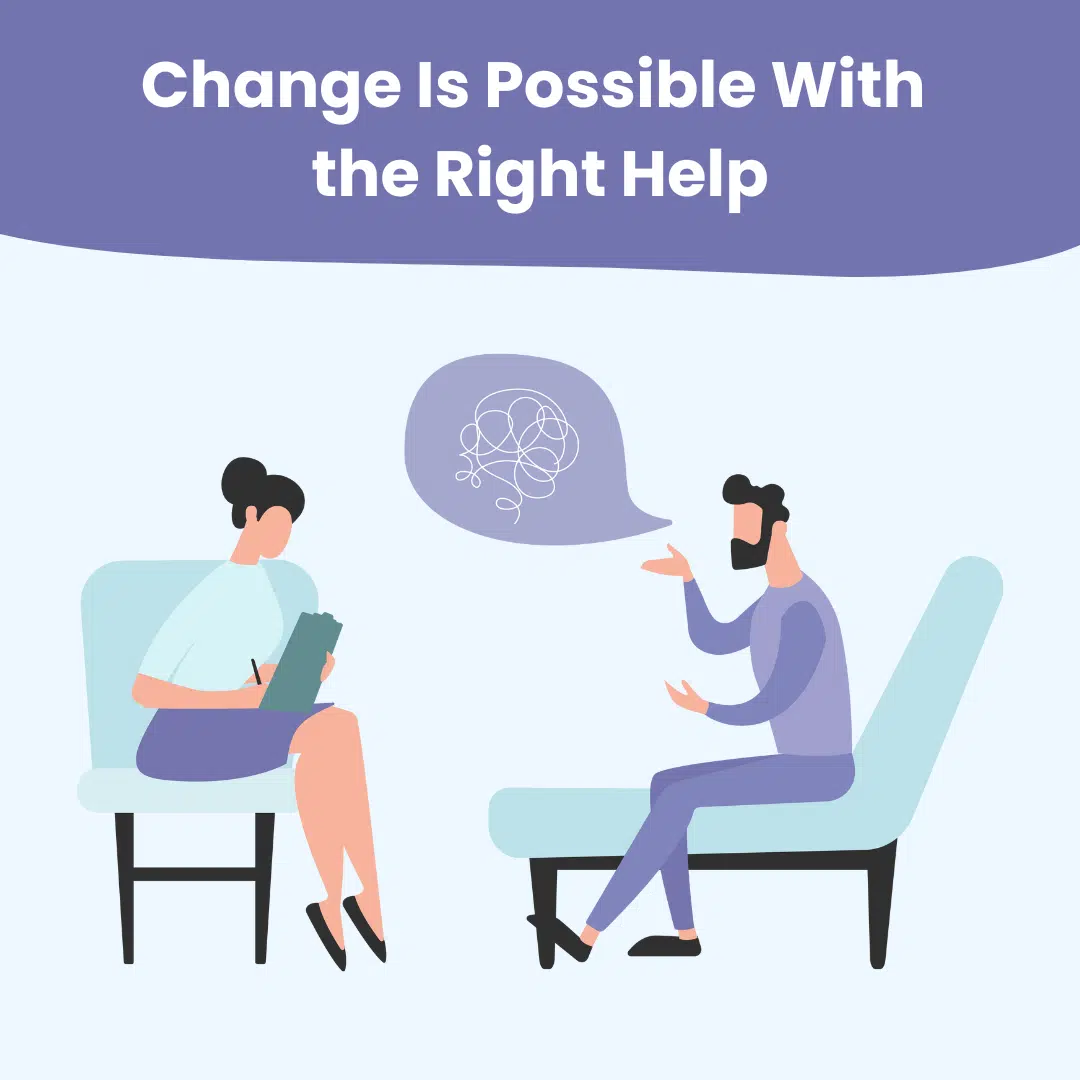
Therapists at TYHO can help you address resentment in relationships, either by talking with both you and your partner in a couples session or by working with you individually.
9 Signs of Resentment in a Relationship
1) Avoiding Conflict
Avoiding conflict can feel like the easier option, especially if previous conversations have not gone well.
When you stop bringing up your issues, it is often because you feel:
- Unheard
- Dismissed
- Simply tired of repeating yourself
Over time, unresolved conflicts in relationships may create a gap between what you feel and what you express.
For example, if your partner repeatedly cancels plans at the last minute, you might initially express disappointment. If nothing changes, you may stop mentioning it altogether. However, every cancelled plan slowly contributes to a growing resentment.
2) Constant Rumination Over Past Problems
One of the clearer relationship resentment signs is when you keep ruminating about past negative situations or problems.
You may replay conversations, think about what you should have said, or feel upset about something that happened weeks or even months ago. This is known as rumination, and it may compel you to become emotionally tied to unresolved experiences.
For instance, during a disagreement, you might suddenly bring up an old incident that still bothers you. Your partner may feel confused because they believe the issue was already resolved, while for you, it never truly was.

3) Feeling Tense or On Edge Around Your Partner
Resentment can also show up physically. You may notice a sense of tension in your body when you are around your partner.
Note: Many counsellors at TYHO believe in a mind-body connection and use approaches such as somatic therapy to address the physical manifestations of resentment.
Physical signs can show up as:
- Headaches
- Muscle aches
- Bloating or gut issues
- Chronic pain
For example, if your partner asks a simple question, you would be immediately annoyed and feel a headache coming on. The reaction could feel automatic, and you may not understand why it’s happening.
4) Talking Negatively About Your Partner to Others
It is normal to occasionally share relationship struggles with your friends or loved ones. However, when you constantly talk negatively about your partner, it can be a strong sign of resentment in the relationship.
Instead of addressing concerns directly with your partner, you may find yourself venting to friends or family more often. These conversations can start to shape how you see your partner, and you may tend to focus more on their flaws than anything else.
For example, while you may complain about your partner’s behaviurs to others, you would avoid having the same conversation with your partner.
5) Emotional Outbursts Over Small Issues
When resentment builds up, you may often express it through unexpected reactions. Small issues can trigger strong anxious or sad responses that feel disproportionate to the situation.
This happens because the reaction carries the weight of past experiences that have not been addressed (ie unresolved conflicts).
For instance, a minor disagreement about chores might escalate into a larger argument about feeling unappreciated or unsupported. The intensity of the reaction may surprise both you and your partner.
6) Blaming Your Partner for Everything
When you are feeling resentful towards your partner, you may focus more on their mistakes than on the situation as a whole.
You may find yourself thinking in absolute terms, such as ‘they always do this’ or ‘this is their fault.’ This type of thinking is also known as ‘black and white thinking’, a common cognitive distortion addressed in therapy sessions.
For example, if you have a communication issue in the relationship, you may immediately assume your partner did something wrong, rather than taking time and analysing the entire situation.
7) Emotional or Physical Withdrawal
Withdrawal is a common response to emotional overwhelm. As your resentment builds, you may start pulling away to protect yourself.
Creating distance with your partner may look like:
- Infrequent or meaningful communication
- Less time spent together
- Decrease in physical affection
- Less motivated to engage in activities you once enjoyed as a couple
For example, you might stop initiating conversations or avoid spending time together because it feels easier than dealing with the unaddressed tension.

8) Keeping Score in the Relationship
Resentment often changes the way you view effort in the relationship. You may begin tracking who is doing more, who is giving more, or who has been hurt more.
For instance, you might think, ‘I always make the effort, but they never do,’ even if your partner contributes in different ways that are less visible to you.
Keeping score turns the relationship into a transaction and makes genuine efforts to build a healthy relationship into a competition.
9) Persistent Negative Emotions and Burnout
One of the most common signs of resentment in a relationship is a constant sense of emotional exhaustion. You may feel tired, irritable, or disconnected without a clear reason.
Burnout may not always result from frequent conflict. Sometimes, it comes from carrying unresolved feelings over a long period of time.
For example, you might notice that even during calm or cosy moments, you feel detached or uninterested. The relationship no longer feels energising or fulfilling.

Over 80% of couples see significant progress within 15-20 sessions.
Book a session todayHow Couples Counselling Can Help With Resentment
When resentment becomes difficult to manage alone, couples counselling sessions can provide a supportive and non-judgemental space to work through it.
A counsellor helps both partners:
- Explore the root causes of resentment
- Identify unmet needs
- Deal with miscommunication or conflict resolution
- Change negative behaviour patterns
- Set realistic couple goals
In counselling, couples learn to listen in ways that make the other person feel heard and understood. This shift alone can significantly reduce conflicts and emotional distance.
Approaches such as Cognitive Behavioural Therapy (CBT) and Emotionally Focused Therapy (EFT) are commonly used to address relationship distress. These methods focus on changing patterns, improving emotional awareness, and rebuilding trust.
Couples counselling also helps shift the dynamic from ‘me versus you’ to ‘us working through this together,’ which is essential when learning to deal with resentment in a relationship.
Conclusion
Resentment in a relationship often develops from repeated and unresolved experiences. It can show up in subtle ways, such as avoidance, tension, or emotional distance.
Recognising the signs of resentment in a relationship can help you address concerns before they become deeply rooted. Open communication, accountability, and a willingness to understand each other’s perspectives are key to repairing the connection.
If you’re ready to address resentment in your relationship, book a session with a couples counsellor today. It is possible to rebuild a happy and healthy relationship.