
Attachment styles refer to the various patterns people exhibit in their adult relationships that are determined by the early childhood relationships they had with caregivers, such as parents.
They influence how we connect with others, how safe we feel inside relationships, how we react to conflict and distance, among other things.
Some of the most common attachment styles include secure, anxious, avoidant, and disorganised attachment styles.
People with anxious attachment often crave closeness and reassurance. At the same time, they also worry strongly about rejection or abandonment.
While these patterns can feel overwhelming, it’s important to note that they are also very common. In this guide, we explore the various signs, causes, and ways to heal anxious attachment, including reaching out to a psychologist in Singapore.
Introduction to TYHO
TYHO provides in-person and online therapy in Singapore. Our platform connects clients to vetted and experienced Psychotherapists, Psychologists, and Counsellors in Singapore. We refer to all our mental health professionals collectively as "Therapists", given the overlap in their scopes of practice. A majority of our Therapists are members of recognised bodies such as the Singapore Association for Counselling (SAC) and the Singapore Psychological Society (SPS). If you'd like help with selecting someone suitable, WhatsApp us at +65 9831 0005 or email us at [email protected].

What Is Anxious Attachment Style?
An anxious attachment style is a relationship pattern where a person strongly desires emotional closeness but, at the same time, fears being rejected or abandoned.
Those with anxious attachment often feel uncertain about how stable their relationships are. Even when things are going quite well, they may worry that something might suddenly change.
For example, they may find themselves in thought loops like the ones below:
‘What if they stop loving me?’
‘Did I say/do something wrong?’
‘Why haven’t they replied to my text yet?’
Worries such as these can trigger anxiety, overthinking, and a need for frequent reassurance from their partner. In many cases, anxious attachment develops from early childhood experiences, childhood emotional trauma that shaped how a person views and understands trust and intimacy.
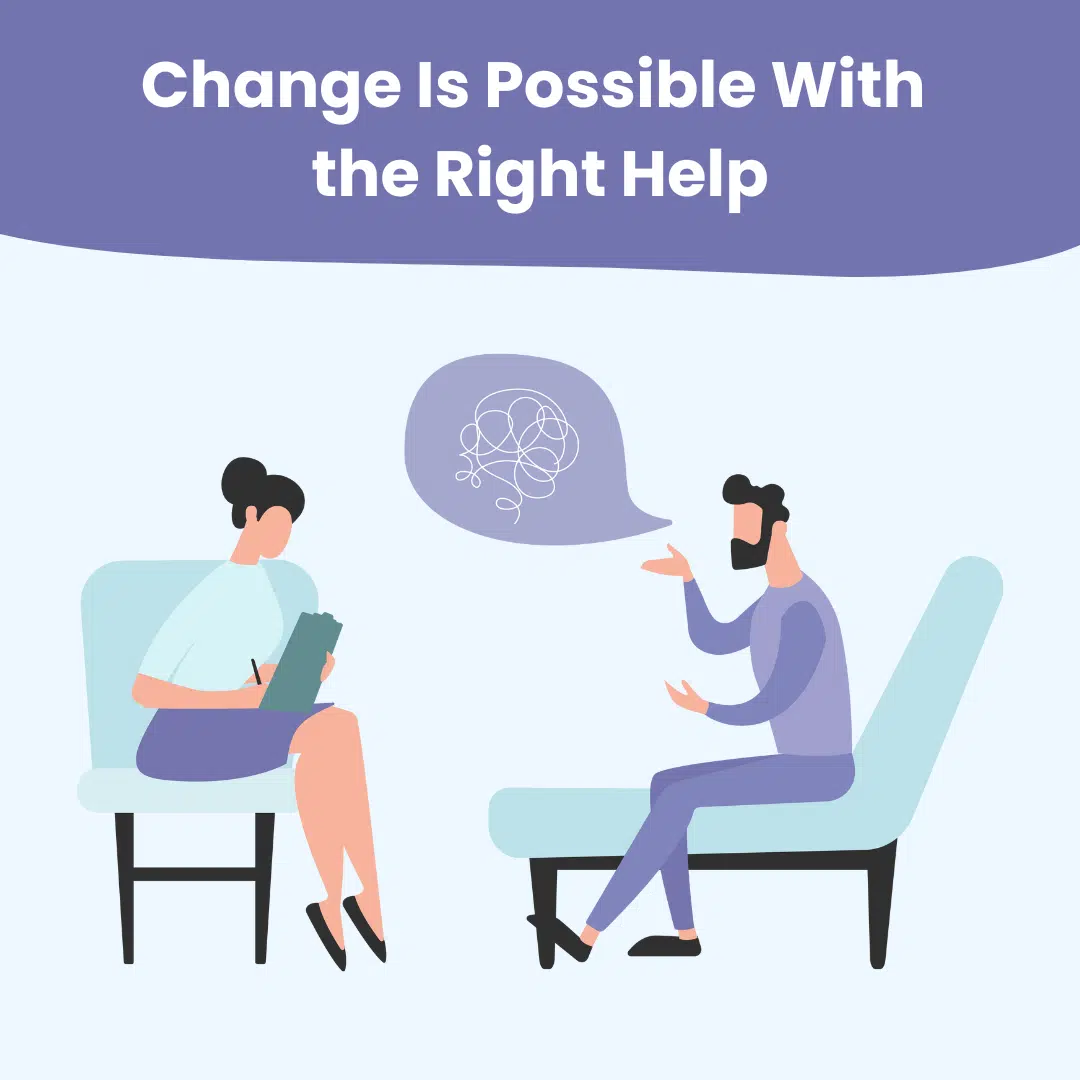
Professional psychologists can help individuals understand their attachment style and gradually work on how it affects their relationships as well.
Understanding the History of Attachment Theory
The concept of attachment styles comes from attachment theory, which was developed by psychologist John Bowlby. This theory explains how early relationships with caregivers go on to influence adult relationships later in life.
When caregivers offer consistent emotional support, children often develop secure attachment styles, ie, they grow up feeling safe and trusting in relationships.
However, when caregivers are unpredictable, inconsistent, or frequently absent, children may learn that emotional support is uncertain. As adults, they may thus fear losing their partner’s love and care.
Many therapists in Singapore use attachment theory to help people understand relationship patterns and improve relationships through individual therapy, couples counselling, and marriage counselling.
Signs of Anxious Attachment
Some common symptoms of an anxious attachment style include the following:
a) Fear of Abandonment
A strong fear of being abandoned or rejected is one of the most common signs. Even small changes in a partner’s behaviour may trigger worry, anxiety and trauma.
Here’s an example of how this may show up:
Ria has been with their partner Zack for over four years. They’ve made plans for a date night at a restaurant. However, Zack is unable to make it that night due to a tight deadline at work.
Ria immediately fears that their relationship is in trouble, even though they know the reason Zack had to cancel.
b) Constant Overthinking
People with anxious attachment styles often end up replaying and analysing conversations and interactions repeatedly.
They may reread messages, replay conversations in their mind, and worry that they said something wrong. Delayed replies, in particular, can quickly lead to overthinking and anxiety.

c) Overcompensating or prioritising partner’s needs over their own
Someone with an anxious attachment style may become very attuned to their partner’s needs and may even prioritise them over their own.
This can often come across as overcompensation or people-pleasing. These patterns stem from a deep-seated anxiety to make sure their partner is cared for and stays in the relationship.
d) Frequent bouts of jealousy and trust issues
Because of their low self-worth, insecurity, and fear of abandonment, individuals with anxious attachment may experience jealousy frequently in their relationships.
Even harmless social interactions may at times trigger a sense of threat to their relationship.
This often leads to hypervigilance, close monitoring of their partner’s behaviours, and seeking reassurance to manage insecurities.
e) Absence of healthy boundaries
Relationships where one or more partners exhibit anxious attachment styles may typically lack healthy boundaries.
Once again, their deep-rooted fear of abandonment may make the act of setting boundaries seem like their partner is pulling away.
On the other hand, someone with anxious attachment may also suppress their own need for boundaries in order to keep a relationship stable.
f) Constant need for Reassurance
People with anxious attachment may frequently seek reassurance that their partner cares about them and loves them.
This might include asking for verbal affirmation or feeling uneasy when communication decreases. Over time, learning healthier ways to express emotional needs can help build more secure relationships.
What Causes Anxious Attachment?
- Inconsistent caregiving and parenting during childhood
- Emotional neglect or experiences of abuse in childhood
- Unstable or conflict-filled family environments while growing up
- Early experiences of rejection, abandonment, and separation, either with parents, family members, friends or early romantic partners.
- Past relationships with emotionally unavailable partners
Anxious vs Avoidant Attachment
| Trait | Anxious Attachment | Avoidant Attachment |
|---|---|---|
| Core fear | Fear of abandonment | Fear of losing independence |
| Relationship behaviour | Seeks closeness and reassurance | Pulls away from emotional closeness |
| Response to conflict | Wants to resolve issues immediately | May withdraw or avoid discussion |
| Emotional needs | High need for reassurance and connection | High independence and space |

How to Deal with Anxious Attachment
It’s important to remember that attachment styles are not fixed, and many people develop more secure patterns through supportive relationships, self-reflection, and professional guidance from a mental health professional such as a Singapore psychologist or a relationship counsellor.
Below are some tips to deal with anxious attachment styles:
- Learn to recognise your triggers. Awareness is always the first step to change.
- Pause before reacting. Try to consider alternative explanations before assuming the worst.
- Challenge your catastrophic thinking patterns. Remind yourself that an unanswered message does not automatically mean rejection.
- Communicate your needs clearly to your partner. Instead of hinting or assuming that they know or should know, try expressing what you need in a calm and direct way.
- Avoid constant reassurance-seeking. While reassurance can indeed help temporarily, relying on it too often can reinforce anxious patterns.
- Strengthen your sense of self-worth. Spend time nurturing friendships and hobbies outside the relationship.
- Consider reaching out to a psychologist, individual counsellor or couples counsellor. Working with a professional can help you understand and manage your attachment patterns in a healthy manner.
Also Read: Difference Between a Therapist and a Psychologist in Singapore
When to Seek Professional Help
Occasional relationship anxiety is normal in all relationships. But professional support may help you if anxious attachment is causing significant distress to your mental health, your partner or your relationship in general.
Consider speaking with a TYHO psychologist if you experience:
Constant/Prolonged fear of abandonment
Repeated relationship conflicts driven by insecurity
Intense anxiety when a partner becomes distant
Difficulty trusting even supportive partners
Inability to relax even when a relationship is sailing smoothly
Alternatively, if you wish to work on your attachment styles and your relationship alongside your partner, couples counselling may be the ideal choice.