
If you have low self-esteem, you may second-guess yourself and feel overly critical of yourself. This is not an uncommon experience.
The truth is that self-esteem can keep changing. However, there are simple tools you can learn to quickly and effectively boost your self-esteem.
This guide walks you through step-by-step ways to boost your self-worth and when you may need to seek counselling in Singapore for additional support.
Introduction to TYHO
TYHO provides in-person and online therapy in Singapore. Our platform connects clients to vetted and experienced Psychotherapists, Psychologists, and Counsellors in Singapore. We refer to all our mental health professionals collectively as "Therapists", given the overlap in their scopes of practice. A majority of our Therapists are members of recognised bodies such as the Singapore Association for Counselling (SAC) and the Singapore Psychological Society (SPS). If you'd like help with selecting someone suitable, WhatsApp us at +65 9831 0005 or email us at [email protected].

10 Ways to Boost Self-Esteem Quickly
1) Challenge Negative Self-Talk
One of the most common signs of low self-esteem is negative self-talk. Thoughts like ‘I’m not good enough’ or ‘I always make mistakes’ are some examples.
When you find yourself talking negatively to yourself, try pausing and questioning the thought.
Ask yourself challenging questions such as:
- Is this completely true?
- What evidence do I have against it?
- What is the fact?
Afterwards, try to replace the thought with something more neutral:
‘I made a mistake, but I can learn from it.’
Professional therapists may also use reframing during a session, as it is one of the most effective ways to stop negative self-talk and quickly shift your mindset.
2) Practice Positive Affirmations
Affirmations are about guiding and redirecting your attention from negativity to positive thoughts about yourself.
Pick a few simple lines that feel believable to you:
- I am learning and growing
- I can handle this
- I deserve respect
- I’m doing a great job
Repeat them daily, whenever you can. Over time, affirmations may help reshape how you see yourself.

3) Focus on Your Strengths
When self-esteem is low, your mind could focus more on the flaws and less on everything else.
Let’s try to be intentional about the way we’re thinking of ourselves. Take a few minutes right now to list out your strengths.
Your strengths could include skills, personality traits, and small wins. For example:
- You’re good at listening to people without judging them
- You meet deadlines, even when you don’t feel motivated
- You handled a difficult conversation better than you expected
- You’re reliable and people can count on you
- You showed up today at work or for yourself
- You’ve learned something new recently
- You stayed calm in a stressful situation
- You care deeply about the people around you
4) Set Small, Achievable Goals
When your self-esteem is low, even simple tasks can feel overwhelming. This can make it harder to get started, which further affects your confidence.
Instead of focusing on big goals, try breaking things down into smaller steps. For example:
- Replying to one email
- Completing one small task on your to-do list
- Going for a short walk
Each time you complete something, it gives you a sense of progress. Over time, these small wins can help you build confidence more consistently.
5) Improve Your Body Language
Your body language can influence how you feel about yourself. When you’re feeling low, you might notice yourself slouching, avoiding eye contact, or making yourself appear smaller.
Check in once or twice a day and try making small changes to the way you carry yourself:
- Sit or stand up straight
- Relax your shoulders
- Maintain gentle eye contact during conversations
Counsellors at TYHO are also trained in both soft skills and clinical practice to observe and address your body language and verbal communication.
This is because changes in the body language may feel small, but they can help you feel more confident and present in the moment.
6) Surround Yourself with Supportive People
The people around you can have a strong impact on your self-esteem. Being around constant criticism or negativity can make you doubt yourself more.
Try to spend more time with people who:
- Encourage and support you
- Listen without judging
- Respect your boundaries
At the same time, it may help to create some distance from people who make you feel drained or not good enough about yourself.

7) Limit Social Media Comparison
Social media often shows only the best parts of people’s lives. Many times, comparing yourself to these highlights can make you feel like you’re falling behind.
Notice how you feel after scrolling. If it leaves you feeling worse about yourself, you could:
- Take short breaks from social media
- Unfollow accounts that don’t serve you positively
- Spend that time on something more meaningful to you
8) Practice Self-Compassion
When something goes wrong, you might be quick to criticise yourself.
Instead, try talking to yourself with more understanding, especially after you’ve made a mistake or if you aren’t satisfied with something. Ask yourself:
- What would I say to a friend in this situation?
- What would my therapist suggest I do?
After you ask yourself some questions, you could try replying by using the following phrases:
- ‘I’m having a tough day, and that’s okay.’
- ‘I didn’t get it right this time, but I can try again.’
Practising self-compassion can help you recover from setbacks more easily.
9) Step Out of Your Comfort Zone
Avoiding uncomfortable situations can keep your self-esteem low over time. Try to take small steps outside your comfort zone to learn more about yourself and build your confidence.
You could start with:
- Speaking up in a meeting when you usually wouldn’t
- Trying a new activity
- Having a conversation you’ve been avoiding
Each step shows you that you’re capable of handling more than you think.
10) Keep a Gratitude Journal
When your self-esteem is low, your mind may naturally focus on what is not going well. Over time, this can affect how you see yourself and your progress.
A simple way to shift this is by keeping a gratitude journal. Take a few minutes each day to write down three things you are grateful for. These can be small and specific, such as:
- A task you completed
- A kind interaction you had during the day
- A moment where you felt calm or proud of yourself
To make this more effective, try linking your gratitude to your own actions or qualities. This can help improve self-worth and reinforce positive thinking.
If you’re unsure where to start, a therapist in Singapore may guide you through simple self-esteem exercises like this, along with other confidence-building techniques tailored to your needs.
Over time, practices like gratitude journaling can help you build self-esteem quickly and feel more confident in your day-to-day life.
How Long Does It Take to Improve Self-Esteem
There is no fixed timeline. On the one hand, some strategies can help you feel more confident instantly (eg adjusting your posture or reframing a thought).
On the other hand, longer-lasting changes may take more time and effort. However, practising these habits daily, even in small ways, can lead to noticeable improvements over a few weeks.
The key is to stay patient and keep showing up for yourself as much as you can.
When Should You Seek Professional Help for Low Self-Esteem
Talking to a counsellor may be helpful if you experience:
- Persistent negative thoughts: If your inner critic feels constant and overwhelming, and self-help strategies are not enough, it might be time to seek support from a counsellor or psychologist.
- Impact on relationships or work: Low self-esteem can affect how you communicate, set boundaries, and perform at work. If it is starting to interfere with your daily life, getting counselling can make a big difference.
- Link with anxiety or depression: Self-esteem issues often overlap with anxiety or depression. If you notice ongoing low mood, excessive worry, or lack of motivation, speaking to a professional can help you understand and address the root cause.

How Therapy Can Help Improve Self-Esteem
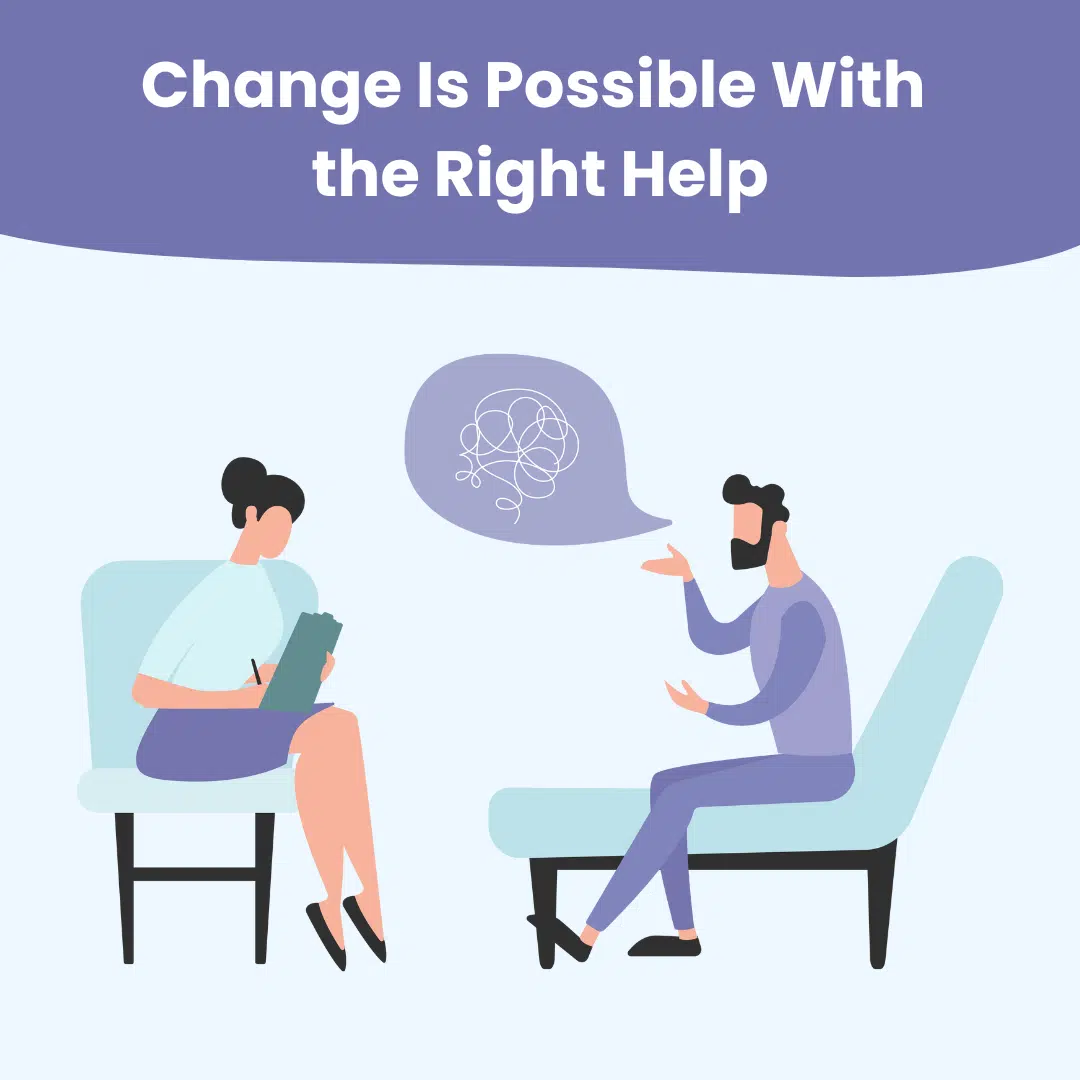
Therapy sessions offer a structured and supportive space to explore your thoughts and behaviours.
A therapist can help you:
- Identify patterns that affect your self-esteem
- Challenge unhelpful beliefs
- Build healthier coping strategies
- Strengthen your sense of self-worth
If you’re ready to start your journey towards becoming a confident version of yourself, book a session at TYHO today.
Final Word
Improving self-esteem does not require a complete life overhaul. Small, consistent steps can create meaningful change.
Focus on challenging negative self-talk, taking small, achievable actions, practising self-compassion, and building supportive environments.
If you are wondering how to improve self-esteem fast, start with one or two strategies from this guide and build from there.
You do not need to feel confident all the time. But you can learn to trust yourself a little more each day.