The burnt toast theory is a simple way of looking at life’s little disruptions through the mindset that they might prevent worse outcomes or lead to better ones.
In the moment, inconveniences like a burnt toast or a delayed train can feel irritating, and even overwhelming. But what if that delay was actually protecting you from something or leading you towards something better?
In this article, we explore the burnt toast theory, how it works, and how you can practise it in everyday life. Following this, we wrap up with a quick look at how Singapore psychologists can help you reframe negative cognitive patterns.
Introduction to TYHO
TYHO provides in-person and online therapy in Singapore. Our platform connects clients to vetted and experienced Psychotherapists, Psychologists, and Counsellors in Singapore. We refer to all our mental health professionals collectively as "Therapists", given the overlap in their scopes of practice. A majority of our Therapists are members of recognised bodies such as the Singapore Association for Counselling (SAC) and the Singapore Psychological Society (SPS). If you'd like help with selecting someone suitable, WhatsApp us at +65 9831 0005 or email us at [email protected].

What Is the Burnt Toast Theory?
According to the burnt toast theory, sometimes, small things going wrong might actually be working in your favour by preventing something bad from happening or letting something better happen.
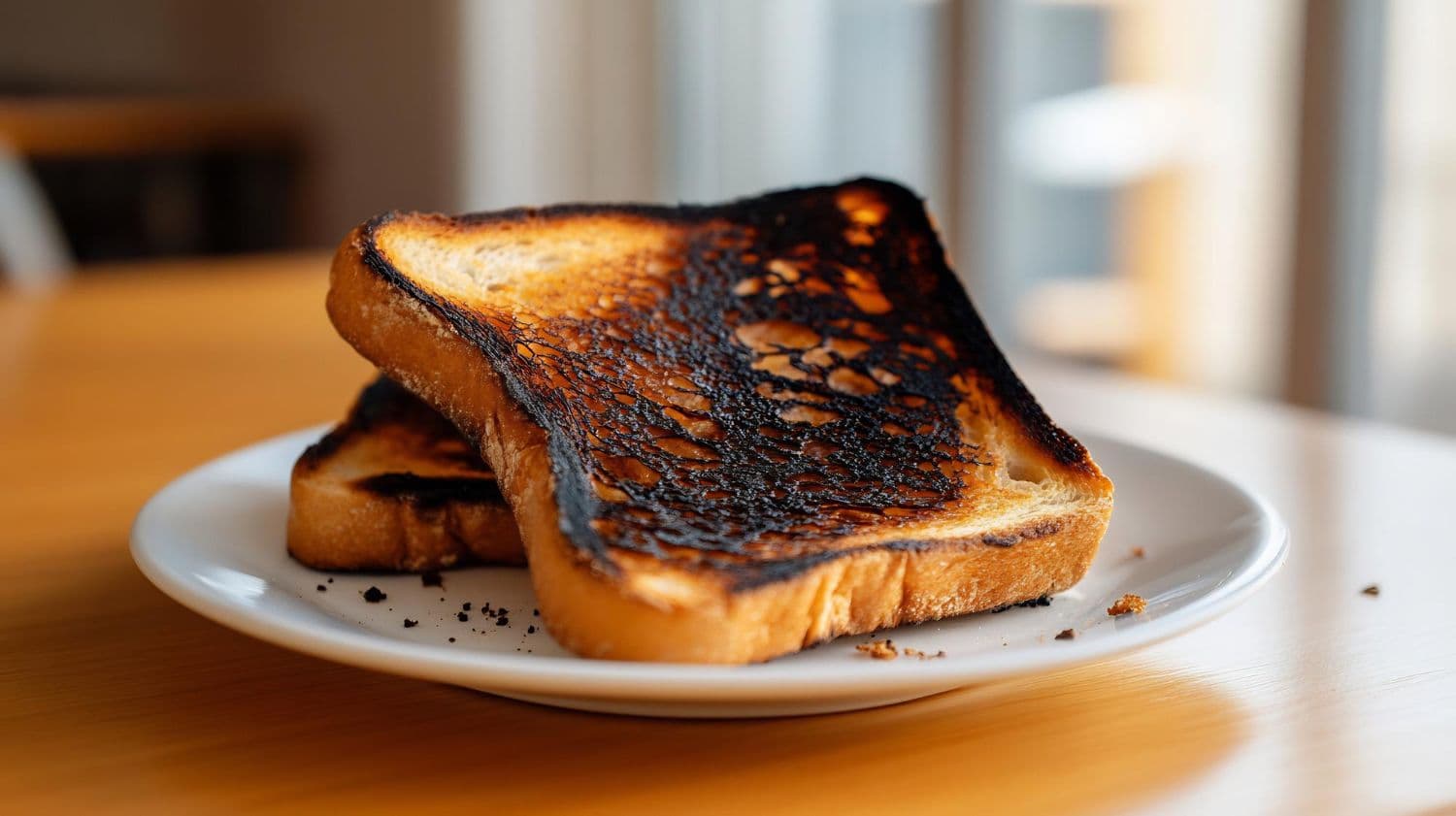
You’ve probably had a moment like this. Let’s take the classic and simple example after which the theory is named – burning your toast.
Oops, you burnt your toast! - A practical example
You’re getting ready to leave for work, and you’re already running a bit late. You miss the toaster timer by a couple of seconds, and your toast ends up burnt. You’re overwhelmed with frustration at having to start over again. It’s annoying. It throws you off.
But what if that delay changes something? Maybe you miss heavy traffic. Maybe you avoid a stressful interaction. Maybe your day unfolds a little differently (and better) because of it.
Where Did the Burnt Toast Theory Come From?
The burnt toast theory gained popularity through social media, especially through platforms such as TikTok, where people began sharing personal stories of small inconveniences that led to unexpectedly positive outcomes.
You might have seen reels where someone talks about missing a train, only to later meet someone who would go on to become their best friend. What made it stick is how relatable it feels. You have probably had moments like this too.
While the term itself is pretty recent, the thinking behind it is not entirely new. At its core, this idea connects to something deeper.
As humans, we often try to find patterns and meaning in our experiences, especially when things do not go as planned. The burnt toast theory simply gives that instinct a name.
However, if you find yourself constantly overanalysing situations, struggling with anxiety, or attaching intense meaning to everyday events, speaking with a psychologist may help you better understand these thought patterns and emotions.

How Burnt Toast Theory Helps Reframe Negative Situations
At its core, the burnt toast theory is about how you respond to everyday disruptions and inconveniences. It can help create space to pause and think, and shift your mindset to a more positive and optimistic one.
- You start to pause for a bit instead of reacting instantly
- You question negative or automatic thoughts instead of accepting them as facts
- You become more adaptable and flexible when plans change
- You begin to see setbacks as part of a bigger picture
- You feel a little more present in the moment, mindful and grateful
Is the Burnt Toast Theory Always Helpful?
While the burnt toast theory offers a comforting perspective, it may not always feel helpful or right in every moment.
There are times when trying to see the good in a situation can feel forced or unfair. It can even make you feel like you’re ignoring, invalidating or minimising how you are actually feeling.
This is where healthy optimism allows space for both. You can acknowledge that something is difficult and still choose to reframe it later, when you feel you are ready. At the same time, it’s also important to remember that it’s not always necessary or possible to do so.
How to Practise Burnt Toast Theory in Daily Life
Below are some simple tips usually explored during counselling sessions to help you practise the burnt toast theory in your everyday life:
- Pause before reacting. Give yourself a moment
- Ask yourself, ‘Is there another way to look at this?’
- Notice your thoughts and then gently reframe them
- Let go of the need to control every outcome
- Use journaling or mindfulness to reflect and reset

How Psychologists Can Help with Negative Thought Patterns
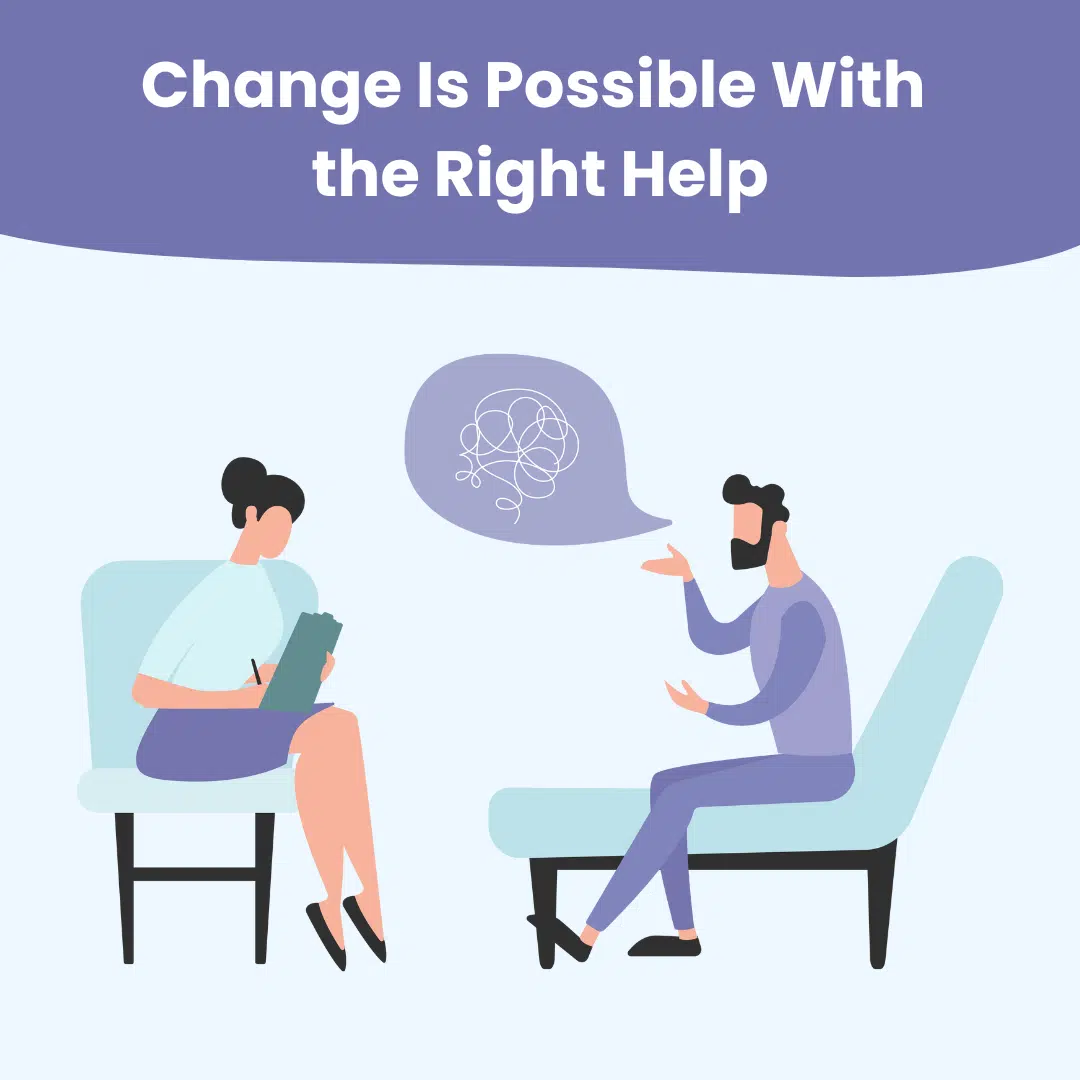
Many a time, mental health isn’t as simple as making a perspective shift. If you find yourself going back to or zooming in on the negatives and worst-case scenarios in most situations, professional support can help greatly.
Psychologists in Singapore are trained to support you with tools such as cognitive reframing (among many others), and slowly make the shift to a more rational and optimistic approach to life.
Working with a psychologist can help you:
- Become more aware of your automatic negative thoughts
- Gently challenge any beliefs that may not actually be serving you
- Learn structured and evidence-based techniques for cognitive reframing
- Build emotional resilience to face setbacks in everyday situations
- Create long-term changes in your mindset and how you respond to setbacks
If stigma around mental health has been stopping you from reaching out for help, remember that seeking support is one of the bravest acts one can do.
At TYHO, we have a wide pool of therapists, psychologists and counsellors with different areas of specialisations and years of experience.
If you're deliberating choosing between different professionals on our platform, read our blog explaining the key differences between therapists and psychologists in Singapore.
Key Takeaways
The burnt toast theory is a simple way to look at small setbacks differently
It tells us that not every inconvenience is entirely negative, and in fact, may be leading us to a good outcome or protecting us from something worse
This kind of reframing can help reduce overthinking and build optimism over time
However, it’s important to remember that you do not have to find a positive in every situation
Professional support from a psychologist can help if negative thinking feels too persistent
Click the “Show all psychologists” button below to explore our pool of TYHO psychologists in Singapore. 💜