
Did you know that one in three Singaporean youths experiences mental health symptoms, including sadness, anxiety and loneliness?
For students and young adults, these symptoms often result from a variety of unique stressors, pressures, and life changes that they go through. These may include academic stress, peer pressure, career struggles, relationship struggles and identity issues.
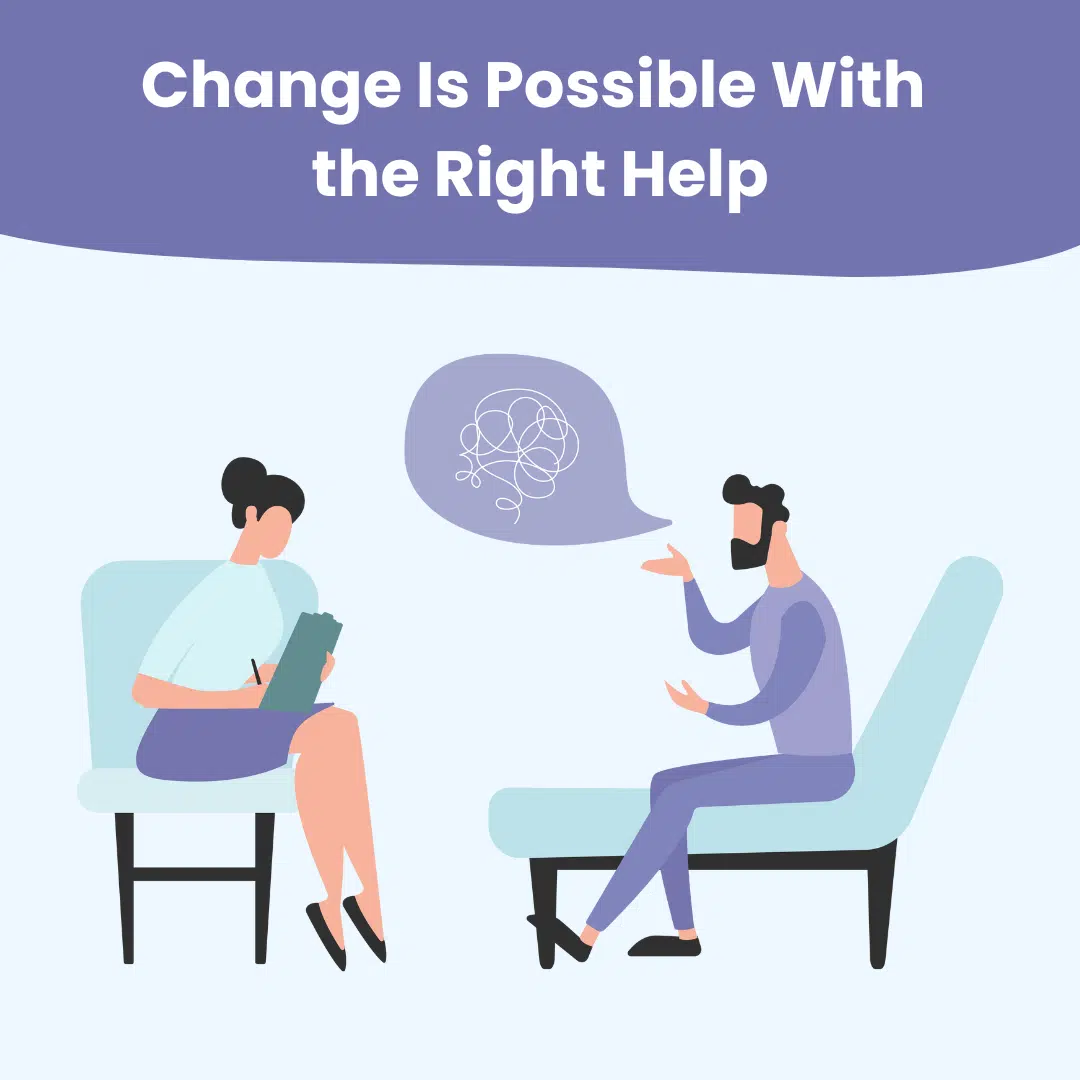
It can feel overwhelming to go through these challenges alone, especially when many of them happen at the same time. This is where online therapy for students steps in – as a much-needed and accessible means of professional support.
In this article, we explore research about youth mental health in Singapore, why students and young adults often hesitate to seek help and how therapy in Singapore helps with their struggles.
Introduction to TYHO
TYHO provides in-person and online therapy in Singapore. Our platform connects clients to vetted and experienced Psychotherapists, Psychologists, and Counsellors in Singapore. We refer to all our mental health professionals collectively as "Therapists", given the overlap in their scopes of practice. A majority of our Therapists are members of recognised bodies such as the Singapore Association for Counselling (SAC) and the Singapore Psychological Society (SPS). If you'd like help with selecting someone suitable, WhatsApp us at +65 9831 0005 or email us at [email protected].

What Research Reveals About Youth Mental Health in Singapore
Young adulthood, spanning ages 18-25, is one of the most crucial and perhaps complicated periods of our lives. It’s when we truly come to terms with ourselves and the world around us.
We go through multiple transitions, from school to university and from university to joining the workforce, from studying for tests to crying over heartbreaks. Alongside this, many also go through another set of transitions, from living with our parents and having their guidance to moving out, living alone and making independent decisions.
Consequently, students and young adults face a wide range of mental health issues. As per the National Youth Mental Health Survey, here are the most commonly experienced mental health issues and challenges among the Singaporean youth:
- Anxiety: 1 in 4 (around 27%)
- Depression: 1 in 7 (around 15%)
- Stress: 1 in 8 (around 13%)
- Body image issues: 1 in 5 (20.2%)
- Cyber bullying: 1 in 5 (21%)
Common Youth Life Stressors and Mental Health Addressed in Online Therapy for Students
Young adults around the world, including those in Singapore, face many unique pressures and stressors, such as:
1) Academic and Career Pressures
- Heavy academic workload, competitive environments, and high parental expectations, especially in Singapore
- Choosing the right course or career path
- Difficulty finding internships or jobs in a competitive market
- Pressure to excel or match up to peers’ achievements
2) Uncertainty About the Future
- Fear of making wrong life choices
- Anxiety about independent adult life and responsibilities
- Worries about the economy or climate change, which affect job prospects
- Fear of not finding the right partner
- Anxiety about sticking to society’s timelines
3) Cultural & Familial Expectations
- Expectation of perfectionism and excellence in academics, career, and personal life
- Filial piety and the expectation to always put parents first
- Not bringing home shame or disappointment to the family
- Difficulty setting boundaries with parents and other family members
- Lack of privacy and independence
4) Stigma Around Mental Health in Singapore
- Mental health issues are viewed as ‘weaknesses’
- Seeking help is also seen as a sign of weakness
- Lack of mental health awareness in general
- Lack of spaces to speak up and ask for help
5) Social Struggles and Peer Pressures
- Peer pressure and the FOMO (Fear of Missing Out) caused by friends, academic peers, colleagues and social media
- Navigating heartbreaks, romantic relationships, and friendships
- Adjusting to living away from family or managing new responsibilities like paying bills or living alone
6) Identity & Self-Esteem Issues
- Coming to terms with gender, sexuality, and personal identity
- Developing core beliefs and values which may clash with societal values
- Comparing themselves to others on social media
- Body image concerns
- Low self-esteem and self-criticism
In the following sections, we take a look at why students and young adults may find it difficult to reach out for help and how online counselling helps bridge this gap.
Why do Students & Young Adults Hesitate to Seek Help?
The same NYMHS study from above revealed that almost 1 in every 3 Singaporean youths did not reach out for help even though they experienced severe or extremely severe mental health symptoms.
Here’s a quick look at some common reasons that could be stopping them from seeking different kinds of mental health support, such as online therapy for students:
- Stigma and fear of being judged, misunderstood or stereotyped within family, community or peer circles
- Parents not fully understanding or brushing aside mental health struggles
- Generational gaps, guilt-tripping and stigma that make open conversations at home tough
- Concerns about confidentiality, especially in schools or universities
- Hectic academic and personal schedules that leave little to no time for considering mental health support
- Assumptions and misconceptions about seeing a psychologist or engaging in mental health counselling, eg, it’s too expensive or only for serious issues
- Not recognising the signs early or feeling like they’re not bad enough for help, and that they should just deal with it on their own
- Limited awareness of available support options, including flexible, convenient ones like online student therapy
Online Counselling in Singapore: 5 Ways it Helps Students and Young Adults
Daily life often becomes a juggling act for many students and young adults in Singapore. Almost every day, they try to balance classes or work, internships, part-time jobs, romantic relationships, friendships, family expectations, and on top of it all – the pressure to do everything perfectly.
In between such tightly packed schedules, online therapy for students becomes a practical, flexible and comfortable avenue for many. It removes many common barriers that we discussed in the previous section, such as a lack of time, privacy concerns, limited therapist availability, etc.
It’s often much easier to balance online counselling sessions alongside your daily life, especially when you’re starting out with therapy, and especially if you’re a student with a busy schedule.
Below are five different ways in which online counselling in Singapore supports our youth through the challenging period of young adulthood:
1) Helps Students Cope with Academic Pressure, Performance Anxiety & Perfectionism
Singapore is well known to have a highly competitive academic culture, with students facing pressure from all sides, like schools, families, peers and even themselves.
Due to this, many may develop a fear of failure and struggle with perfectionism and performance anxiety. These, in turn, can lead to stress, sleep issues, anxiety and panic attacks.
Online therapy is a safe and comfortable space for students to understand and manage these challenges without judgment. Therapists can help young adults identify and circle out unhelpful thought patterns, challenge all-or-nothing thinking, and work towards healthier coping techniques and strategies.
Over time, this can shift their mindset from ‘I must be perfect in everything’ to ‘I can do my best and learn as I go.’

Example
Palm is a university student struggling with frequent exam anxiety. They decide to seek online therapy for students.
Working with their therapist, Palm learns grounding techniques to manage physical symptoms. Student therapy also helps them reframe perfectionistic self-talk into more self-compassionate talk, set achievable goals and create realistic study plans that will prevent all-night cramming.
2) Equips with Tools to Manage Increasing Stress, Burnout and Overwhelm
As we saw earlier, many young adults in Singapore frequently juggle intense academic workloads with internships, part-time jobs, family responsibilities, and other personal responsibilities. This kind of constant pressure and overwhelm can lead to chronic stress, exhaustion and burnout.
While burnout is a term often associated with working adults, many students and young adults today experience burnout much earlier.
Online therapy can help students learn tools and skills to manage stress, such as:
- Setting clear boundaries and balancing different areas of life
- Prioritising tasks and focusing without chasing perfectionism
- Scheduling rest and regular breaks
- Cognitive Behavioural Therapy (CBT) and mindfulness practices to regulate emotions
The flexibility of online sessions also makes it easier to consistently engage in student therapy, even during peak stress periods like exams or internship seasons. In addition to this, online therapy is also ideal for students who prefer after-hours or weekend sessions.
Example
Frances finds himself constantly tired and irritable from his hectic schedule as a university student. Through online student therapy, he learns to recognise early signs of burnout. He works with his therapist to create a weekly self-care routine that fits realistically into his schedule, including short evening walks and mini breaks between assignments.
3) Improves Self-Esteem and Encourages Self-Love
Adolescence and young adulthood often bring with them intense self-doubt, identity issues, and comparison with peers. Self-love becomes hard to practise when you’re struggling to understand who you are and who you want to be.
Thus, many students struggle with body image issues and low confidence. They may also tie their worth solely to academic or career success. Being at an impressionable age, Singaporean youth also grow up internalising cultural, religious and societal beliefs such as:
- Anything less than perfection is bad
- Placing the needs of others, especially family, above one’s own
- Unrealistic beauty standards, eg, spotless skin, hourglass bodies, etc
- Homophobia and transphobia
- Chasing parental approval and acceptance
During online student therapy, trained therapists can help them look for the root causes of their self-esteem issues, slowly unlearn internalised thought patterns, and build better self-compassion, self-acceptance and self-love.
Online therapists may also use tools like journaling exercises and cognitive reframing to help students see themselves through a kinder lens that encourages self-love and body positivity.
Example
Aria is a student in Singapore who constantly compares herself to her classmates’ looks, feeling that she doesn’t look as beautiful.
During online therapy for students, she works with her therapist to reframe that comparison into self-appreciation. Slowly, she learns to focus on her strengths and unique beauty rather than resorting to external comparison and validation.
4) Guides Youth Through Cultural, Familial and Identity Conflicts
Many students in Singapore grow up in households with traditional Asian values, where expectations and values around academics, careers, relationships, and gender roles can be quite rigid. This can lead to feelings of guilt, frustration, anger and shame, especially when their personal values don’t align with familial expectations.
Online therapy can help students understand and cope with such cultural pressures, set healthy boundaries with parents and community, and learn practical communication techniques to have difficult conversations with parents or family members. Online counselling also provides privacy, which can be important for students who may not feel safe discussing such topics at home.
Example
Serena is an undergraduate student who has a religious family. She struggles with gender dysphoria and internalised transphobia while also hiding her authentic self from her family members.
Upon a close friend’s recommendation, Serena decides to explore online therapy for students. She starts attending regular online counselling sessions from her friend’s house and slowly works towards self-acceptance. With time, she also learns to set boundaries with her parents and let go of the need for their approval.
5) Provides a Safe Space to Explore Relationships and Heartbreak
Friendships and romantic relationships play a huge role in young adulthood.
Breakups, unrequited love and friendship conflicts are hard, especially so when you experience them for the first time.
Without prior experience, young adults may not know what to expect and how to process what they’re feeling.
Many students may not have a trusted space to open up and ask for help.
Online therapy including online couples therapy offers that much-needed neutral ground for students and young adults. Therapists can help students sit with and process complex feelings, understand their wants in relationships, recognise unhealthy relationship patterns, deal with conflicts and heal from heartbreaks.
Example
Louis is a young student going through their first serious breakup. Through online counselling, they are able to process feelings of grief, work towards acceptance and letting go, rebuild self-worth, and develop skills of emotional resilience.
6) Supports Students During Life Transitions
Young adulthood is full of life transitions, such as starting university, moving abroad or to a different area for studies, moving out to live in a dorm or alone, starting internships and jobs, etc.
These transitions often come bundled with uncertainty and anxiety. Many students experience homesickness, loneliness, imposter syndrome, and difficulty adjusting to new routines and places.
Online therapy provides continuous support during such transitions, allowing students to keep working with their therapist regardless of where they are in the world. Singaporean therapists can guide them in navigating these life changes and the identity, value and internal shifts that accompany them.
Example
Nigel is a student moving overseas for a Master’s degree. He starts seeing an online student therapist before starting the transition and continues to see them, during and after he shifts as well.
Being a Singapore-based therapist, Nigel’s counsellor offers culturally sensitive support and guides him through struggles like homesickness, adapting to a new culture and learning to be independent.

Conclusion
Student and young adult life can be exciting, but the same things that make it exciting can often make it overwhelming as well. It’s a period full of major transitions, explorations and emotional ups and downs.
Online therapy provides safe and empathetic mental health support for students and young adults navigating such challenges. It works around busy university or school life, taking away the logistics of travel and offers convenient options like evening and weekend sessions.
Online counselling also provides access to culturally competent therapists from Singapore, even if you travel abroad for studies or work. It’s also ideal for those with a fear of starting therapy, allowing you to attend sessions from the comfort of your home (or any private space).
Remember, reaching out for help is always a sign of strength. If you’ve been thinking about speaking to someone, online Therapists at Talk Your Heart Out (TYHO) are here to support you. 💜
Ultimately, premarital counselling can be a fun and enlightening way to prepare for a lifetime together.

About the Reviewer
Glennamarie MeenachiClinical Psychologist
Glennamarie is a clinical psychologist practising since July 2020, registered with the Malaysian Allied Health Professions Council (MAHPC (CP) 00265) and a Full International Member of the Singapore Psychological Society (FM023020M). She works with mood instability, work-related stress, anxiety, depression, self-esteem, trauma, bipolar disorder, OCD, ADHD and PTSD, conducts psychological assessments for neurodevelopmental conditions (ADHD, ASD, SLD), and previously served as a Crisis Support Officer in vulnerable communities. She reviews TYHO articles for clinical accuracy.
Read more about our editorial process.
View full profile- Master of Clinical Psychology (MClinPsych), University of Cyberjaya (Malaysia)
- Bachelor of Science in Psychology (BSc Psychology), Centro Escolar University (Philippines)
- Standard Mental Health First Aider
- Certified Crisis Support Officer (WAO)
- Malaysian Allied Health Professions Council, Registered Allied Health Practitioner (MAHPC (CP) 00265)
- Singapore Psychological Society, International Full Member (SPS: FM023020M)
- Malaysian Society of Clinical Psychology, Full Member (MSCP: CP1-0350)
- American Psychological Association, International Affiliate (APA: C2405020803)