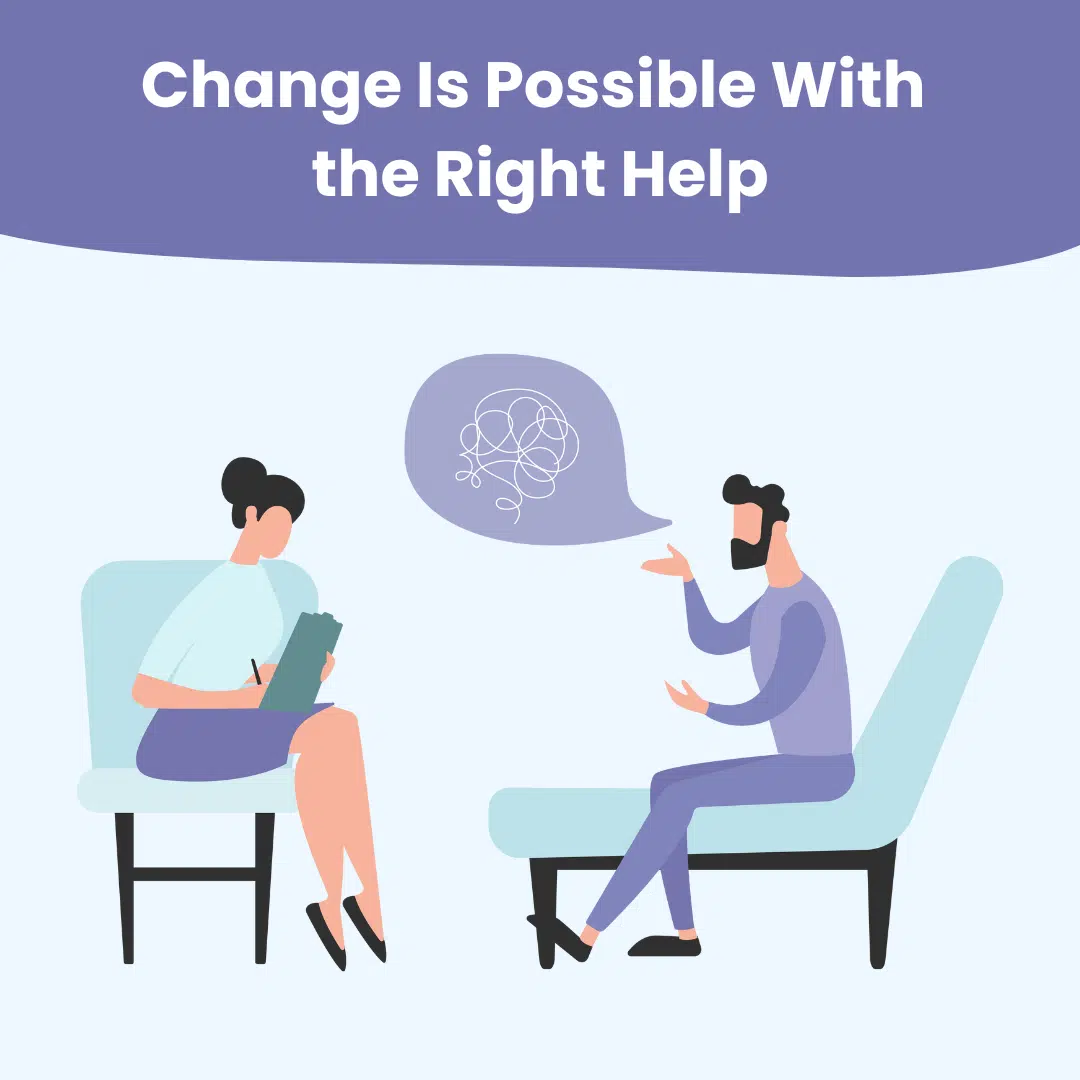

Here’s an example to consider, an employee’s performance is dropping, they seem withdrawn in meetings, and they’ve taken more sick days than usual. You want to help, but as an HR professional or manager, you wonder what your options are.
Here's how you can get started: noticing the signs of burnout early, having a warm conversation with the person, and guiding them towards the right support might make all the difference.
In this blog, we’ll see how to identify the signs of burnout and point employees to the right support, such as an Employee Assistance Program.
Signs an Employee Is Struggling at Work
Many employees may not realise they’re struggling, or may find it uncomfortable to be open about their distress.
However, signs that an employee is struggling at work may show up in the way the person interacts and engages at or outside the workplace. Here are some common signs of distress:
- Socially withdrawn from team members
- A noticeable decline in output or quality of work
- Taking more sick leave or unexpected absences
- Feeling irritable or tearful at work
- Taking a long time for tasks that they usually finish efficiently
- Often missing deadlines
While one low-energy day or week may not indicate burnout or distress, a similar pattern that continues for two or more weeks may be a good reason to check in with the individual showing the above signs.
Sometimes, when work stress hasn’t reached the point of burnout yet, it can show up as presenteeism – working, but not at full capacity. It’s often more expensive than absenteeism and can quickly escalate into more significant issues.

95% of our users give their sessions a 5-star rating
Explore TYHO's EAP servicesHow HR Teams Can Support Employee Mental Health in the Workplace
1) Starting the Conversation
HR employees or managers may hold back from starting the conversation because they may worry about saying the wrong thing.
However, starting conversations about mental health can be comfroting to the distressed employee and make them feel less alone.
Below are some tips to get started:
- Choose a private space to have a one-on-one conversation
- Avoid starting the conversation right after a performance review
- Ask proactive questions and listen to the employee and give them space to share their thoughts
Below are tips on what to say after you start the conversation:
- Share what you’ve observed and ask an open-ended question. For example, “I’ve noticed that you seem a bit quieter today. How are you feeling?”
- Listen more than you speak and thank the employee for opening up.
- Avoid generalised phrases that may trivialise the employees problems, like saying, “Everyone goes through this.”
- Keep the conversation confidential and ask how you can offer support to them.
2) Understanding What They Might Be Dealing With
When employees show signs of distress or emotional overhwlem at work, it could happen because of their struggles at work or in personal life.
Employees could be dealing with:
- Stress
- Bunrout
- Anxiety
- Lack of open communication at work
- Struggles to set boundaries at work or in personal relationships
- Dealing with toxic colleagues or interpersonal dynamics
- Lack of work-life balance
- Grief or loss
3) Pointing Them to Professional Support
When an employee opens up about their mental health struggles with you, one of the most helpful things you can do is pointing them to the right support.
Often, the person in distress may not have the energy or inclination to look for Therapists and book sessions, so that’s where you can offer help.
Many companies in Singapore may also offer support through an employee assistance program (EAP). Through EAP, employees can access talk therapy sessions at a subsidised price.
Below are some benefits of EAP at Talk Your Heart Out:
- Consists of discounted talk therapy sessions with a qualified mental health counsellor (in-person, online, or over the phone).
- Counselling services are provided for a range of issues, including emotional distress, relationship struggles, job stress, conflict at work, grief, etc.
- TYHO also offers other EAP services such as group therapy (or empathy circles), workshops targeted in the areas of focosu, seminars and webinars, and psychological first aid.
- HR teams and managers may both refer employees and obtain guidance on managing workplace mental health concerns and coordinating external referrals.
- TYHO’s EAP also provides on-ground or online support for situations like layoffs, retrenchments, workplace accidents, or sudden bereavement.
At Talk Your Heart Out (TYHO), our team of expert Therapists and counsellors provide high-quality and accessible mental health care for employees. Our workplace services include:
- One-on-one talk therapy sessions
- mpathy circles (facilitated group discussions)
- Wellness seminars
- On-site support
- Workshops (guided skills training)
TYHO Therapists provide in-person and online counselling in a range of languages, including English, Mandarin Chinese, Cantonese, Malay, Tagalog, Tamil and Hindi.

4) Providing Early Intervention
Did you know? Every year, SGD 15.7 billion is lost due to employee anxiety and depression in Singapore.
The truth is that much of this is preventable with the right resources and proactive measures. A strong early intervention, like an Employee Assistance Program (EAP), can help your organisation prioritise employee wellbeing and stay ahead of the curve.
High employee turnover is not only expensive but also affects a company’s image in the eyes of potential talent. Work stress is one of the leading reasons employees leave companies.
When employees are offered much-needed workplace mental health support and care, productivity increases multifold. EAPs in Singapore can also help employees feel seen, heard and cared for, thus increasing loyalty, trust and job satisfaction.
In Singapore and beyond, companies are now accountable not just for environmental standards and financial regulations, but also employee wellbeing.
SGX-listed businesses are expected to report on social aspects of ESG, including employee wellbeing, mental health initiatives, and inclusive measures.
EAPs can help you meet these expectations in a structured way. They support diversity and inclusion by offering confidential help for neurodivergent staff, caregivers, and employees navigating through tough life transitions.
At the same time, EAP also signals to both talent and stakeholders that your company takes mental wellness seriously.
Tip
Track your company’s productivity over time, especially noting high-stress periods like launches, month-ends, etc. If you notice recurring negative trends, it may be time to invest in preventive mental health strategies like EAPs.

5) Following Up
Most HR professionals and team leads aren’t mental health experts, and that’s okay. But given that they are the first line of contact for most employees, they need basic tools and referral pathways to manage conversations around workplace mental health.
EAPs can provide training modules, manager toolkits, and specialised workshops, helping your people leaders gain confidence and clarity about when and how to step in to help out employees.
Hence, with an EAP program, HR may also learn tools on how to start conversations and how to follow-up with employees who’ve sought support.
For example, following up with an employee after you’ve pointed them to the right support can look like:
- Offering flexible work hours
- Suggesting them to take time off for appointments
- Adjusting their workload depending on their bandwidth
Lastly, if you would also like to discuss petrformance or work-related concern with the employee, ensure that you have the conversation separately from the mental health check-ins.
Key takeaways
HR mental wellbeing initiatives provide a host of benefits to both employers and employees.
Here’s a quick recap of how HR teams can support employee mental helath in the workplace:
Spotting early signs of mental health issues may prevent long-term complications like burnout and absenteeism.
A supportive work environment like having open conversations and understanding what employees may be dealing with encourages loyalty and reduces employee turnover.
Workplace mental health initiatives like EAPs help employees stay focused, productive, and engaged at work. EAPs also help employees manage stress, anxiety, and burnout before they affect health or performance.
Managers and HRs can learn expert-backed tools through EAP to navigate sensitive employee situations more effectively.
Employees feel more valued and satisfied when their employer prioritises their mental health.
Ready to explore EAP services for your company? Get started with TYHO today!

About the Reviewer
Glennamarie MeenachiClinical Psychologist
Glennamarie is a clinical psychologist practising since July 2020, registered with the Malaysian Allied Health Professions Council (MAHPC (CP) 00265) and a Full International Member of the Singapore Psychological Society (FM023020M). She works with mood instability, work-related stress, anxiety, depression, self-esteem, trauma, bipolar disorder, OCD, ADHD and PTSD, conducts psychological assessments for neurodevelopmental conditions (ADHD, ASD, SLD), and previously served as a Crisis Support Officer in vulnerable communities. She reviews TYHO articles for clinical accuracy.
Read more about our editorial process.
View full profile- Master of Clinical Psychology (MClinPsych), University of Cyberjaya (Malaysia)
- Bachelor of Science in Psychology (BSc Psychology), Centro Escolar University (Philippines)
- Standard Mental Health First Aider
- Certified Crisis Support Officer (WAO)
- Malaysian Allied Health Professions Council, Registered Allied Health Practitioner (MAHPC (CP) 00265)
- Singapore Psychological Society, International Full Member (SPS: FM023020M)
- Malaysian Society of Clinical Psychology, Full Member (MSCP: CP1-0350)
- American Psychological Association, International Affiliate (APA: C2405020803)