Mental health counselling in Singapore offers a supportive space for individuals who may be experiencing emotional distress or navigating difficult life experiences.
Counselling can support you in gently exploring and understanding your feelings, while helping you develop ways of coping with daily life that feel safe and manageable for you.
According to a research, nearly 14.1% of Singaporeans have depression, and 15.2% have anxiety. In total, 20% may have symptoms of depression or anxiety.
Many people in Singapore experience challenges with their mental health and may feel unsure about seeking support for a variety of reasons, including concerns about judgment. At the same time, awareness of mental health is growing, and more support options are becoming available. If you are considering reaching out, you are not alone, and support is there when you feel ready.
You can improve your life and relationships through offline or online counselling.
This article briefly discusses the types of counselling and why counselling is good for mental health!
Introduction to TYHO
TYHO provides in-person and online therapy in Singapore. Our platform connects clients to vetted and experienced Psychotherapists, Psychologists, and Counsellors in Singapore. We refer to all our mental health professionals collectively as "Therapists", given the overlap in their scopes of practice. A majority of our Therapists are members of recognised bodies such as the Singapore Association for Counselling (SAC) and the Singapore Psychological Society (SPS). If you'd like help with selecting someone suitable, WhatsApp us at +65 9831 0005 or email us at [email protected].

What Is Mental Health Counselling?
Mental health counselling in Singapore is a space for you to understand and manage your emotions.
At Talk Your Heart Out (TYHO), we offer counselling services for various psychological challenges.
Some of the issues we help with include stress, anxiety, depression, burnout, self-esteem, etc. Additionally, we also provide services such as couples therapy and marriage counselling.
You may wonder why counselling is good for mental health and how a professional can help you with something so unique to your situation.
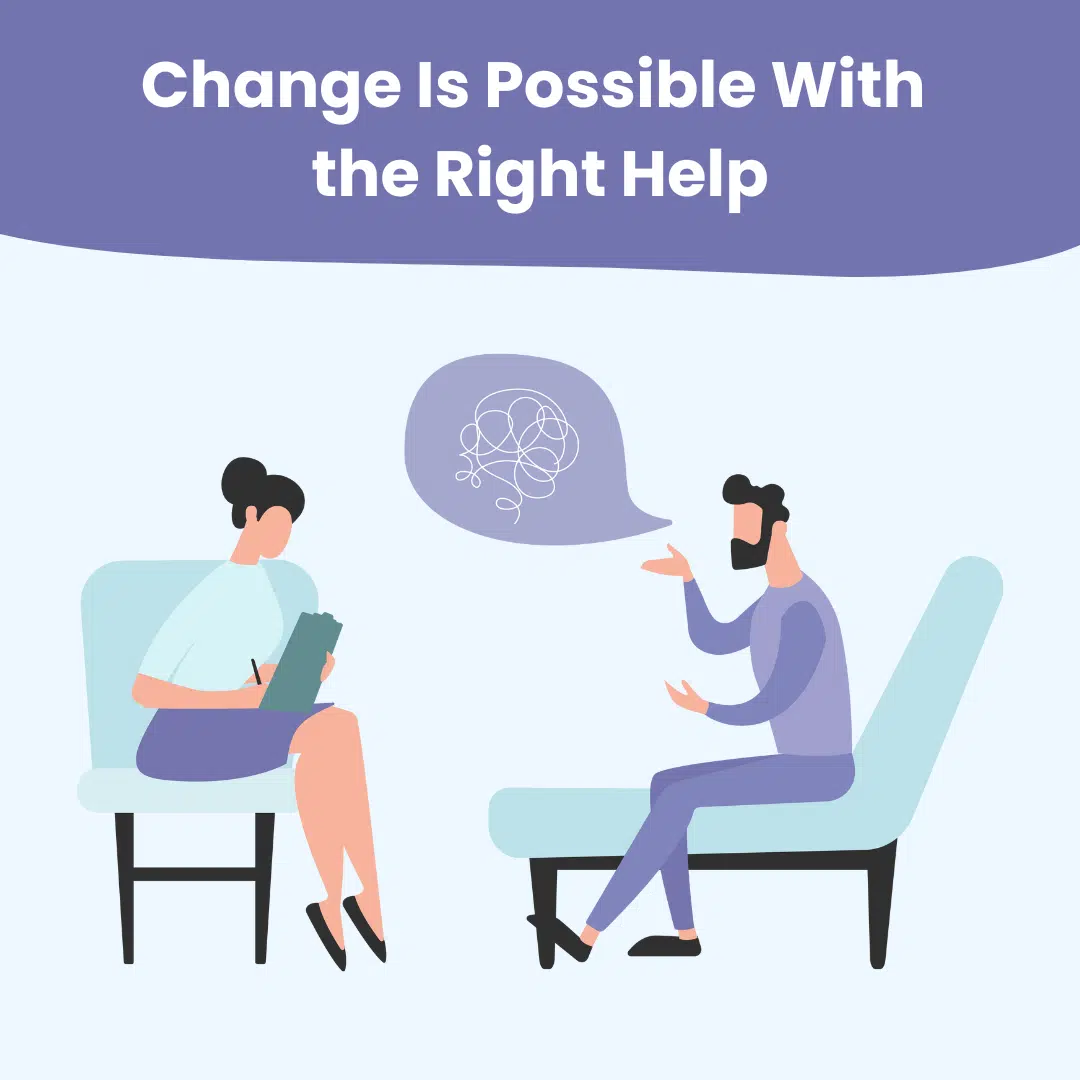
During counselling, you may talk to a trained counsellor about your feelings and thoughts. All TYHO counsellors are empathetic and will guide you through personalised strategies for coping and growth.
Hence, in other words, your counsellor will work with you to reach a state of peace.
The process of mental health counselling in Singapore is collaborative. In other words, your counsellor will work with you to identify goals and develop skills to handle difficult situations.
Mental health counselling can help you navigate a tough period in life, cope with concerns, or if you would like to understand your emotions better.

Types of Mental Health Counselling in Singapore
At TYHO, we provide different types of mental health counselling in Singapore to diagnose and help improve your overall wellbeing.
In this section, you can find out more about the types of therapy a professional may use during counselling.
The therapeutic plan and approach may vary based on your preferences, your counsellor’s recommendations, and the intensity of your issues.
Hence, try to have an open and honest conversation with your counsellor about what works best for you!
The primary type of counselling used during sessions is psychotherapy.
1) Psychotherapy
Psychotherapy is a type of talk therapy where you may engage in a conversation with a mental health counsellor or psychologist to explore your thoughts, feelings, and experiences.
Individuals, couples, children, and family members can attend psychotherapy either individually or along with their loved ones.
For example, couples can attend sessions together during couples counselling in Singapore.
However, a partner may go for individual counselling if they wish to attend a session alone.
At its core, psychotherapy aims to teach people about the complex relationship between their feelings, thoughts, and behaviours.
By doing so, the person may gain self-awareness and empower them to view their challenges from a fresh perspective.
During mental health counselling in Singapore, your counsellor may use either one or multiple approaches to suit your unique needs.
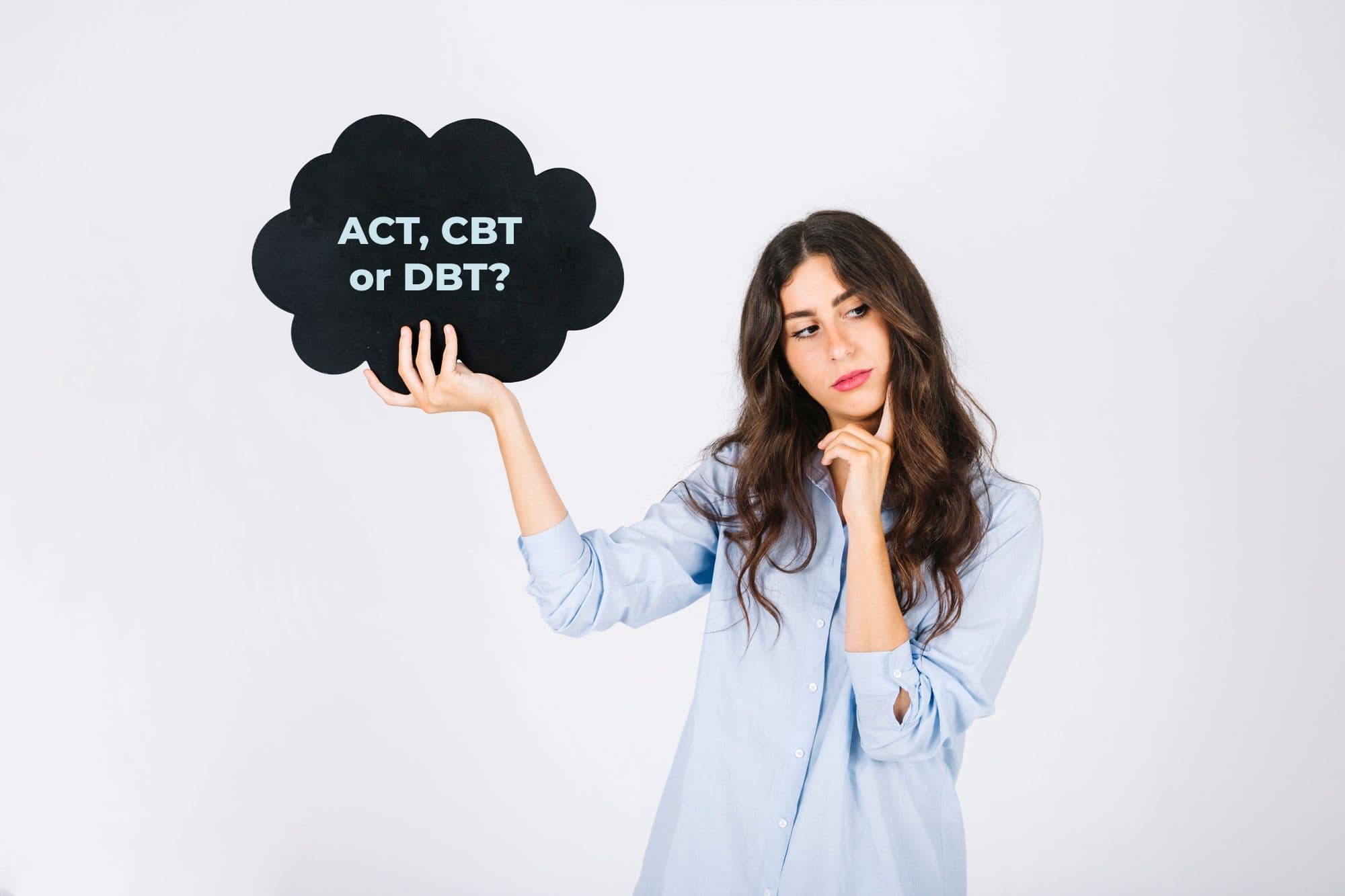
Some of the common types among these are cognitive behavioural therapy (CBT), dialectical behavioural therapy (DBT), and acceptance and commitment therapy (ACT).
2) Cognitive Behavioural Therapy (CBT)
CBT is a type of mental health counselling that may support you understand how your thoughts, feelings, and actions influence each other.
Initially, CBT often focuses on patterns of thinking that may contribute to unhelpful emotional or behavioural responses. Through guided sessions, your counsellor can help you notice these patterns and experiment with different ways of thinking or responding to challenging situations.
In therapy sessions, your counsellor will guide you through introspective exercises. These activities will help you identify and understand your cognitive biases (ie thinking that everything is your fault).
3) Dialectical Behavioural Therapy (DBT)
DBT is a structured therapeutic approach that combines tools from CBT and mindfulness practices.
DBT focuses on four key elements. These include mindfulness, distress tolerance, emotional regulation, and interpersonal effectiveness.
Through DBT techniques, you will learn how to manage stress, control your emotions, and improve relationships.
4) Acceptance and Commitment Therapy (ACT)
ACT is a type of mental health counselling that focuses on accepting emotions and thoughts without struggle.
The main idea of ACT is to ‘make room’ for thoughts without judging them or trying to get rid of them as soon as possible.
ACT encourages shifting your focus from fighting your feelings to acknowledging and letting them pass.
Therefore, the shift in your perspective can allow you to engage in life more fully and make decisions based on what matters to you.
Why Is Counselling Good for Mental Health?
We may all have wondered why counselling can support mental health. Why not talk to a friend about it or seek advice from a mentor?
Counselling offers a different type of support. While friends and mentors may listen and offer guidance, a counsellor works collaboratively with you to explore patterns in your thoughts and behaviours and to help you gain insights you might not notice on your own.
Exploring patterns in your thoughts and behaviours can provide valuable understanding of your experiences and support you in developing strategies that feel helpful in managing challenges.
Moreover, unconditional validation and support from your Singapore couples counsellor may help you feel understood and less alone.
Below are four important points on why counselling is good for mental health:
- Emotional support: Mental health counselling in Singapore offers a space to express your feelings without fear of judgement.
- Coping strategies: Your counsellor can guide you in developing practical and personalised strategies to navigate emotions. At TYHO, we believe that you are the best judge of your life. The skills you explore in counselling are meant to support your independence and can continue to be useful beyond your sessions. In other words, the skills you learn in therapy can be used long after your sessions end.
- Improved relationships: Through mental health counselling, you can improve your communication skills and the way you interact with your loved ones. When you understand your partner better, you will notice an improvement in your bond and affection!
- Personal growth: The right counsellor can support you in exploring your experiences and reflecting on your thoughts and feelings. Through individual mental health counselling in Singapore, you may discover your strengths and find ways to align your life with what matters to you.
Takeaway
Mental health counselling in Singapore can help you better understand your feelings and tackle daily challenges.
With nearly 14.1% of Singaporeans experiencing depression and 15.2% dealing with anxiety, mental health support is crucial. Thankfully, awareness is growing, and finding help is easier than ever.
Whether offline or online, counselling can improve your life and relationships. At TYHO, we provide several counselling approaches, including CBT, DBT, and ACT.
All approaches can offer you emotional support, healthy coping mechanisms, improved relationships, and personal growth. Don’t hesitate to take a step towards better mental health!

About the Reviewer
Glennamarie MeenachiClinical Psychologist
Glennamarie is a clinical psychologist practising since July 2020, registered with the Malaysian Allied Health Professions Council (MAHPC (CP) 00265) and a Full International Member of the Singapore Psychological Society (FM023020M). She works with mood instability, work-related stress, anxiety, depression, self-esteem, trauma, bipolar disorder, OCD, ADHD and PTSD, conducts psychological assessments for neurodevelopmental conditions (ADHD, ASD, SLD), and previously served as a Crisis Support Officer in vulnerable communities. She reviews TYHO articles for clinical accuracy.
Read more about our editorial process.
View full profile- Master of Clinical Psychology (MClinPsych), University of Cyberjaya (Malaysia)
- Bachelor of Science in Psychology (BSc Psychology), Centro Escolar University (Philippines)
- Standard Mental Health First Aider
- Certified Crisis Support Officer (WAO)
- Malaysian Allied Health Professions Council, Registered Allied Health Practitioner (MAHPC (CP) 00265)
- Singapore Psychological Society, International Full Member (SPS: FM023020M)
- Malaysian Society of Clinical Psychology, Full Member (MSCP: CP1-0350)
- American Psychological Association, International Affiliate (APA: C2405020803)