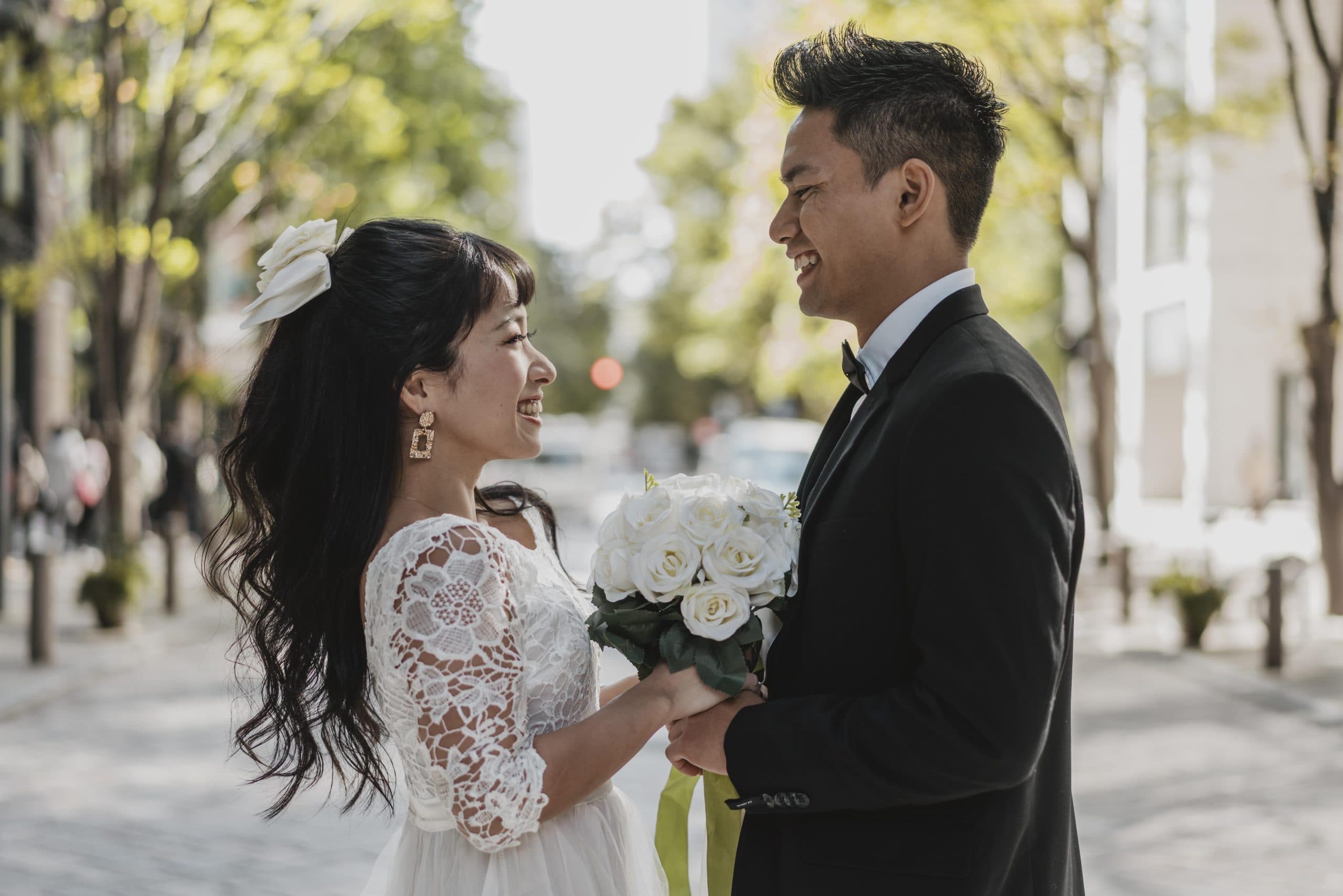
Getting married can be like starting a new chapter in your relationship.
Along with that shift can come changes in roles, expectations, and responsibilities, which some couples may find challenging to navigate.
Marriage counselling in Singapore can help you transition to a new phase smoothly. In fact, marriage counselling can help you even if you have been married for several years.
One of the best things about seeking counselling as a couple is finding out the real reasons behind arguments and learning how to handle conflicts effectively.
Married couples can also make plans for their future together in counselling. Working together on goals improves the relationship and ensures both people want the same things.
In this article, we will look into the 7 most common benefits of marriage counselling in Singapore!
Introduction to TYHO
Our platform connects clients to vetted and experienced Therapists in Singapore who are well qualified in providing couples counselling - both in-person as well as online therapy. A majority of our Therapists are members of recognised bodies such as the Singapore Association for Counselling (SAC) and the Singapore Psychological Society (SPS). If you'd like help with selecting someone suitable for relationship counselling, WhatsApp us at +65 9831 0005 or email us at [email protected].

Benefits of Marriage Counselling
1) Improve Communication
The most common and important benefit of marriage counselling is improving the way you interact and communicate with your partner.
You can learn how to articulate without hurting others through therapeutic tools in Solution-Focused Brief Therapy (SFBT), such as miracle questions.
Miracle questioning is when a Singapore Therapist asks questions deliberately to encourage positive and solution-focused thinking.
For example, they may ask, “Imagine a miracle happened overnight, and now your relationship is perfect. What is the first thing you’d tell your partner?”
In sessions, therapists introduce introspective exercises that can help break communication barriers.
You may learn how to listen actively, express honestly, and communicate in a way that meets both your and your spouse’s needs.
2) Resolve Conflicts
The second benefit of marriage counselling is to navigate and resolve conflicts effectively.
Marriage counsellors can help you with several conflicts, such as:
- Lack of open communication
- Misunderstandings
- Financial disagreements
- Arguments
- Challenges with intimacy
- Disagreements related to moving in together
Your counsellor will be non-judgmental and empathetic when you share your problems.
The counsellor may steer the conversation in a productive direction and help you and your spouse think of solutions to understand each other’s issues.

3) Become Supportive
At times, it can be challenging to understand how to best support a spouse in a marriage.
Due to several reasons, such as lack of communication or difficulty understanding a partner’s thoughts, one may not know what help to offer.
During marriage counselling, you may identify your partner’s needs and learn how to provide support. Similarly, your spouse may also learn to offer you the same help.
Approaches such as Acceptance and Commitment Therapy (ACT) can help strengthen your bond and make sure both you and your spouse feel valued and understood.
4) Improve Sex Life
A major benefit of marriage counselling is improving sex life and physical intimacy.
You can expect to receive support for issues such as:
- Low sex drive
- Pain during sex
- Not feeling attracted towards your spouse
- Interests in ethical non-monogamy
- Lack of sexual satisfaction
Sex therapy can help you feel closer to your partner and foster a deeper sense of connection.
You can receive sex therapy either through individual counselling in Singapore or through marriage counselling.

5) Rebuild Trust
Many couples go to couples counselling when trust is impacted in their relationship. Lack of trust could occur due to reasons including:
- Cheating
- Not being honest
- Financial issues
- Gaslighting
Marriage counselling is a safe environment where you can discuss your past issues and how they made you feel or the impact they had on your marriage.
Identifying key problems and learning how to overcome them are the two important steps to rebuilding trust.
Your counsellor will take a neutral and supportive approach, listening to all points of view and making sure both partners feel heard and understood.
During counselling, you may begin to see the situation from a fresh perspective and learn skills to truly understand each other.
6) Manage Negative Emotions
Another common benefit of marriage counselling is learning how to manage negative emotions within a relationship.
Through scientific tools, you may learn how to:
- Control anger in a relationship
- Reduce frustration
- Overcome emotions such as feeling sad for no reason
- Express your feelings honestly
Your counsellor or psychologist will provide you with non-judgmental support. This support can encourage you and your spouse to understand each other’s emotional wellbeing.
You may also develop skills to control your emotions that may otherwise lead to conflicts. Many couples also choose to engage in pre-marital counselling to learn these skills before they get married. (Read: All You Need to Know About Premarital Counselling)
7) Deepen Connection
One of the major benefits of marriage counselling is its overall effect on your emotional connection and bond with your spouse.
Other than physical intimacy, it is also important to focus on emotional intimacy.
Being emotionally intimate could include:
- Understanding each other
- Meeting and satisfying each other’s needs
- Showing love in a way that reaches your spouse (eg learning each other’s love languages)
- Setting healthy boundaries
Sometimes, if you’ve been together for a long time, it may unintentionally begin to avoid your spouse’s needs or not prioritise them as much as before.
Any sort of relationship, including marriage, requires work, effort, and intention.
Therapy or talking to a psychologist can help you reignite that connection you may have felt with your spouse when you first met.
In fact, marriage counselling in Singapore can also help you set new expectations and roles to adjust to your relationship dynamics.
So, can marriage counselling save relationships? While the answer depends on each couple's specific issues, how long and frequently they engage in therapy and how much effort they put in, marriage counselling has shown to improve around 70% of relationships!
Takeaway
Marriage can be a wonderful new chapter but often comes with unique challenges and responsibilities. Many couples in Singapore find marriage counselling beneficial, whether they’re newlyweds or have been together for years.
Counselling helps couples understand the root causes of their conflicts, learn effective communication strategies, and work on future goals together. Some key benefits include improving communication, resolving conflicts, becoming more supportive, improving physical intimacy, rebuilding trust, and deepening emotional connection.
This supportive environment allows couples to grow together and navigate their marriage with understanding and commitment.
Get started with TYHO's marriage counselling services by clicking on the "Show all marriage counsellors" button below!

About the Reviewer
Glennamarie MeenachiClinical Psychologist
Glennamarie is a clinical psychologist practising since July 2020, registered with the Malaysian Allied Health Professions Council (MAHPC (CP) 00265) and a Full International Member of the Singapore Psychological Society (FM023020M). She works with mood instability, work-related stress, anxiety, depression, self-esteem, trauma, bipolar disorder, OCD, ADHD and PTSD, conducts psychological assessments for neurodevelopmental conditions (ADHD, ASD, SLD), and previously served as a Crisis Support Officer in vulnerable communities. She reviews TYHO articles for clinical accuracy.
Read more about our editorial process.
View full profile- Master of Clinical Psychology (MClinPsych), University of Cyberjaya (Malaysia)
- Bachelor of Science in Psychology (BSc Psychology), Centro Escolar University (Philippines)
- Standard Mental Health First Aider
- Certified Crisis Support Officer (WAO)
- Malaysian Allied Health Professions Council, Registered Allied Health Practitioner (MAHPC (CP) 00265)
- Singapore Psychological Society, International Full Member (SPS: FM023020M)
- Malaysian Society of Clinical Psychology, Full Member (MSCP: CP1-0350)
- American Psychological Association, International Affiliate (APA: C2405020803)