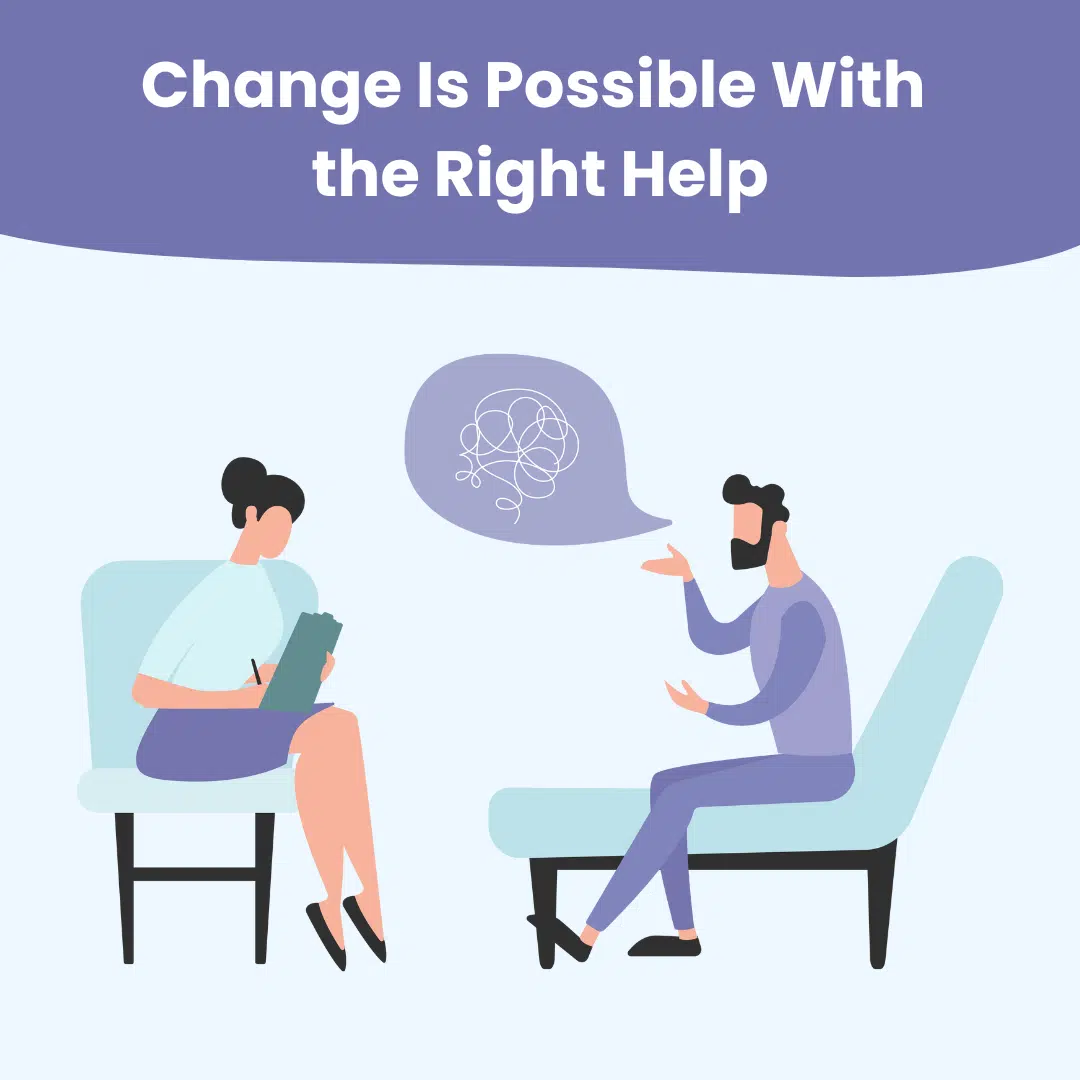


80%-90% who seek therapy successfully manage depression
find a depression counsellorSomeone you love may be experiencing depression symptoms, even if they don’t show it. Depression has many faces, and not every face can be identified easily.
For example, hidden depression, or ‘smiling depression’, is when someone intentionally or unintentionally conceals their signs to show the world that they are fine.
Chronic depression also affects concentration, attention span, recall abilities, social relationships, work performance, and aspects of daily functioning.
According to WHO, nearly 264 million people around the world have signs of depression. This article helps you identify depression symptoms, understand depression tests, and explore how depression therapy in Singapore cna help.
“Those who have a ‘why’ to live can bear with almost any ‘how.'” — Viktor E. Frankl.
Introduction to TYHO
TYHO provides in-person and online therapy in Singapore. Our platform connects clients to vetted and experienced Psychotherapists, Counsellors, and Psychologists in Singapore. We refer to all our mental health professionals collectively as "Therapists", given the overlap in their scopes of practice. A majority of our Therapists are members of recognised bodies such as the Singapore Association for Counselling (SAC) and the Singapore Psychological Society (SPS). If you'd like help with selecting someone suitable, WhatsApp us at +65 9831 0005 or email us at [email protected].

Overview of Depression Symptoms
Counsellors may check for depression symptoms that are recurrent, severe, and indicate psychotic features (ie loss of connection with reality).
The diagnostic criteria for depressive disorders include:
- Five (or more) symptoms to be present for 2 weeks or more
- Change in functioning in comparison to life before 2 weeks of first noticing the depression symptoms
- Presence of either one of the two major symptoms of depression: low mood or loss of interest or pleasure
The symptoms of depression may manifest differently among different racial and ethnic groups.
1) Depressed Mood (eg Sad, Empty, Hopeless)
On the one hand, depressed people may notice signs of worthlessness and emptiness through self-reflection.
On the other hand, loved ones may observe signs such as ‘being tearful’, responding to events with outbursts, or being pessimistic about regular activities (eg believing that today will be the worst day).
Sometimes, people tend to deny that they are sad but may show implicit symptoms of depression. These could include:
- Crying spills (ie crying for no reason or feeling particularly emotional over common hurdles like a rainy day or a coffee spill)
- Feeling ‘blah’ (ie not feeling anything, feeling numb or anxious)
- Somatic complaints such as body aches
2) Brain Fog
Brain fog refers to a diminished state of cognitive abilities. These could include difficulties with thinking, articulating, concentrating, deciding, or recalling.
Brain fog can be caused by depression or other coexisting conditions, such as chronic fatigue syndrome or Generalised Anxiety Disorder (GAD).
Depression symptoms and brain fog have a strong link. For instance, depression can reduce the functioning of:
- Working memory
- Long-term memory
- Locus coeruleus, or the ‘blue spot’ that helps control our focus
When we’re having difficulty recalling or making decisions, we may suffer more from brain fog. Other signs, such as insomnia, fatigue, or, in some cases, substance abuse, could negatively affect the mental cloudiness.
Some people with brain fog may appear distracted and struggle to recollect memories. Hence, people in cognitively demanding careers may find it especially hard to cope with the depression symptoms.

3) Fatigue & Sleep Issues
Part of the reason why people feel depressed or empty is because they feel exhausted. Symptoms of depression include a lack of energy and an unbearable feeling of fatigue.
Fatigue, in turn, could lead to sleep issues. The two most common types of sleep issues people face due to depression are Insomnia and Hypersomnia.
On the one hand, insomnia is finding it hard to fall asleep.
Depressed people experience ‘middle insomnia’ (ie waking up in the middle of the night and then struggling to go back to sleep) or terminal insomnia (ie waking up too early and struggling to go back to sleep). This could also occur due to mild depression symptoms.
On the other hand, hypersomnia is oversleeping.
People with early signs of depression may sleep excessively at night or even during the daytime. Hypersomnia, like insomnia, could affect one’s work or academic performance, social relationships, family dynamics, and physical health.
80%-90% who seek therapy successfully manage depression
find a depression counsellor4) Shame & Guilt
Most people with depression have an unrealistic and negative evaluation of their worth or may be preoccupied with guilt from small mistakes.
In fact, the guilt and shame these people experience are often misplaced. Meaning that they may blame themselves for their mental illness, believe that everything is their fault, and feel shame for struggling with depression symptoms.
The fatigue people experience directly triggers their shame, as depressed people often stop living by their own values. For example, a person may strongly believe in productivity, but they may find it hard to stop procrastinating due to fatigue and may thus feel guilt and shame.
Ultimately, not wanting to finish a task may become a shameful secret. The shame, fatigue, and depressed mood act as a self-reinforcing loop. The loop looks like this:
Low energy -> Unfinished tasks -> Low self-esteem -> Loss of accomplishment -> shame/guilt -> low energy.
What Signs of Depression Can Look Like
Depression signs and symptoms can appear differently in everyone, based on their age, gender or social upbringing.
The most common and overt signs of depression could include crying spells, physical pain, or a low sex drive.
1) Crying Spells
Crying frequently, suddenly, or for no particular reason is called a crying spell. It is different from that of normal crying, which everyone may experience time and again.
Crying spells can be distressing and may severely affect a person’s quality of life.
Crying spells as a depression symptom could look like:
- Crying regularly
- Crying without a trigger
- Crying at work or school, especially when it affects the work-life
- Uncontrollable and unmanageable crying
In older adults, crying spells are a key sign of depression that could help in diagnosing mood disorders.
2) Physical Pain
Early signs of depression could also manifest physically. Other than common physical symptoms such as weight changes or fatigue, physical pain could include:
- Chronic muscle pain
- Headache
- Heartburns
- Digestive issues
- Pounding heart
- Tightness in chest
3) Low Sex Drive
A 2018 study found that people with depression usually showed signs of severe sexual dysfunction. A low sex drive could include struggles with sexual function, desire, and satisfaction.
Reasons for a low sex drive could include loss of interest or pleasure, low energy, or low self-esteem.
However, it is important to note that not everyone may show signs of low sex drive or that this sign may not be deemed important in many cultures.
For example, some people, in general, have less interest in sexual activities. Hence, if they have depression symptoms, it would be wise to look for other symptoms like physical pain in comparison to a low sex drive.
Suicide Statistics in Singapore Among Youths
Samaritans of Singapore (SOS) recently published that suicide rates among Singaporean youths aged 10-29 have increased.
Research indicates that many Singaporeans avoid discussing suicide due to the belief that talking about it can trigger suicidal thoughts.
However, that is untrue. Talking about suicide can be a great starting point for:
- Providing space for people suffering from depression and suicidal tendencies
- Addressing several other mental health issues that may have contributed to suicidal thoughts
- Encouraging people to seek counselling in Singapore
At Talk Your Heart Out (TYHO), 80% of our clients under age 35 seek counselling for self-esteem issues.
Other issues our clients struggle with include relationship problems, workplace burnout, anxiety disorders, and depression.
We often assume that suicide happens suddenly and due to one single cause. However, the truth is that issues from several aspects of our lives could add up and push us to a breaking point.
Recognising Depression Symptoms
Who Is the Depression Test For?
Depression tests are for anyone who may be curious about their lifestyle and mood swings or suspect that they may be experiencing symptoms of depression.
Taking a depression test can sometimes give you clarity about your thoughts and feelings.
For example, when we feel hopeless and worthless, we may not realise the depth and intensity of our emotions.
These emotions may eventually lead us to engage in harmful behaviours like self-harm, maladaptive behaviours, consuming substances, or giving up on important opportunities in life. Hence, taking a depression quiz can help us become self-aware and reflect on our symptoms.
Moreover, the quiz may even help you determine if you require depression therapy in Singapore and may provide additional resources that you can use to better understand yourself.
Taking a depression test online can give you enough information about your struggles. After the test, you may find it easier to collect and articulate your thoughts to your Singapore counsellor.
Sharing detailed information about your condition can help the counsellor better understand your presenting problem and develop a personalised and effective therapeutic plan.
In the therapeutic plan, you may find interventions such as:
- Cognitive-based approaches
- Acceptance and commitment therapy
- Trauma-informed interventions
Tip: Consider watching movies about depression to understand the condition better. You may relate to certain experiences of the characters on screen, which can then help you gain clarity about your own symptoms and struggles.

Is the Depression Test Accurate?
Self test for depression that you may find online is not a clinical or diagnostic tool. It is designed to assess your symptoms and know whether to seek professional help.
However, you can use the self-screening tests to track your moods and emotions.
The test may also provide some data to your counsellor about how your depression symptoms have changed from one session to another.
In conclusion, only a mental health professional, such as a depression counsellor, can help you determine the next best steps for you.
Professional psychologists can conduct diagnostic assessments and scan for conditions like depression and anxiety disorders.
Frequently Asked Questions
1) How do I get tested for depression?
At Talk Your Heart Out (TYHO), we offer a free assessment to help you understand your current state of mind.
For a clinical diagnosis, book a therapy session with a TYHO psychologist in Singapore. Psychologists can build rapport with you, clinically observe your symptoms and conduct depression tests to diagnose you with depression.
During your initial session, a psychologist may ask you several questions about your:
- Mental health history
- Presenting problems
- Medical history
- Family history
- Past and current relationships
The information you provide to the expert can help them gain a holistic understanding of you as a person and your mental health issues.
The psychologist may also ask how your mood and emotions impact your daily functioning to determine if a depression diagnosis applies to you.
2) How common are depression symptoms?
Depression is the most common mental health condition in Singapore.
According to recent research, nearly 1 out of 16 Singaporeans has depression symptoms at least once in their lifetime.
3) What are my therapy options to cope with depression?
At TYHO, we provide several types of therapy options to help you manage depression.
For example, you can try individual counselling if you find it hard to:
- Form social connections
- Manage your emotions
- Think positively
- Carry out daily activities
If you are in a relationship and would like to explore how your condition impacts your partner, you can try couples counselling.
Other options include family counselling. During family therapy, you can join sessions with your family to understand how to support someone with depression.
Depending on the depression test and your preferences and based on what might work best for you, your Singapore psychologist may use one or multiple therapeutic interventions.
Through consistent therapy, active participation, and healthy social support – you can overcome the symptoms of depression!
4) How to find the right counsellor to treat severe depression symptoms?
Visit the app.talkyourheartout.com page to find a counsellor who is the right fit for you.
On this page, you can filter your needs based on:
- Issues
- Counsellor’s gender
- Therapy language
- Service type
- Medium
Additionally, review the counsellors’ short videos and go through their descriptions and therapeutic approaches.
Reviewing and shortlisting counsellor profiles can help you gauge whether they are a good fit before booking a session.
If you are struggling to find the right therapist for depression, please feel free to reach out to us at [email protected].
Conclusion
Feeling down now and then is normal, but if these feelings linger for more than a month, it might be a sign of depression.
An online depression test can be a helpful first step in understanding your symptoms, but it’s not a substitute for a clinical diagnosis. If you think you may have depression, book a session with a qualified counsellor in Singapore.
Remember, you’re not alone. Depression is common but also treatable. With the right support and treatment, many people see significant improvements. So, take that first step towards better mental health today!

About the Reviewer
Glennamarie MeenachiClinical Psychologist
Glennamarie is a clinical psychologist practising since July 2020, registered with the Malaysian Allied Health Professions Council (MAHPC (CP) 00265) and a Full International Member of the Singapore Psychological Society (FM023020M). She works with mood instability, work-related stress, anxiety, depression, self-esteem, trauma, bipolar disorder, OCD, ADHD and PTSD, conducts psychological assessments for neurodevelopmental conditions (ADHD, ASD, SLD), and previously served as a Crisis Support Officer in vulnerable communities. She reviews TYHO articles for clinical accuracy.
Read more about our editorial process.
View full profile- Master of Clinical Psychology (MClinPsych), University of Cyberjaya (Malaysia)
- Bachelor of Science in Psychology (BSc Psychology), Centro Escolar University (Philippines)
- Standard Mental Health First Aider
- Certified Crisis Support Officer (WAO)
- Malaysian Allied Health Professions Council, Registered Allied Health Practitioner (MAHPC (CP) 00265)
- Singapore Psychological Society, International Full Member (SPS: FM023020M)
- Malaysian Society of Clinical Psychology, Full Member (MSCP: CP1-0350)
- American Psychological Association, International Affiliate (APA: C2405020803)