
Research shows that people who are unemployed are significantly more likely to experience symptoms of depression, anxiety, and psychological distress than those who are employed.
Job loss can affect many areas of your life and well-being, such as:
- Self-acceptance & self-compassion
- Self-confidence
- Self-esteem
- Morale & motivation
- Sense of satisfaction in life
- Sense of meaning & purpose
- Social support & relationships
If you’ve recently experienced job loss and are feeling overwhelmed by the different effects it brings to your life, remember that you’re not alone – and that help is just around the corner.
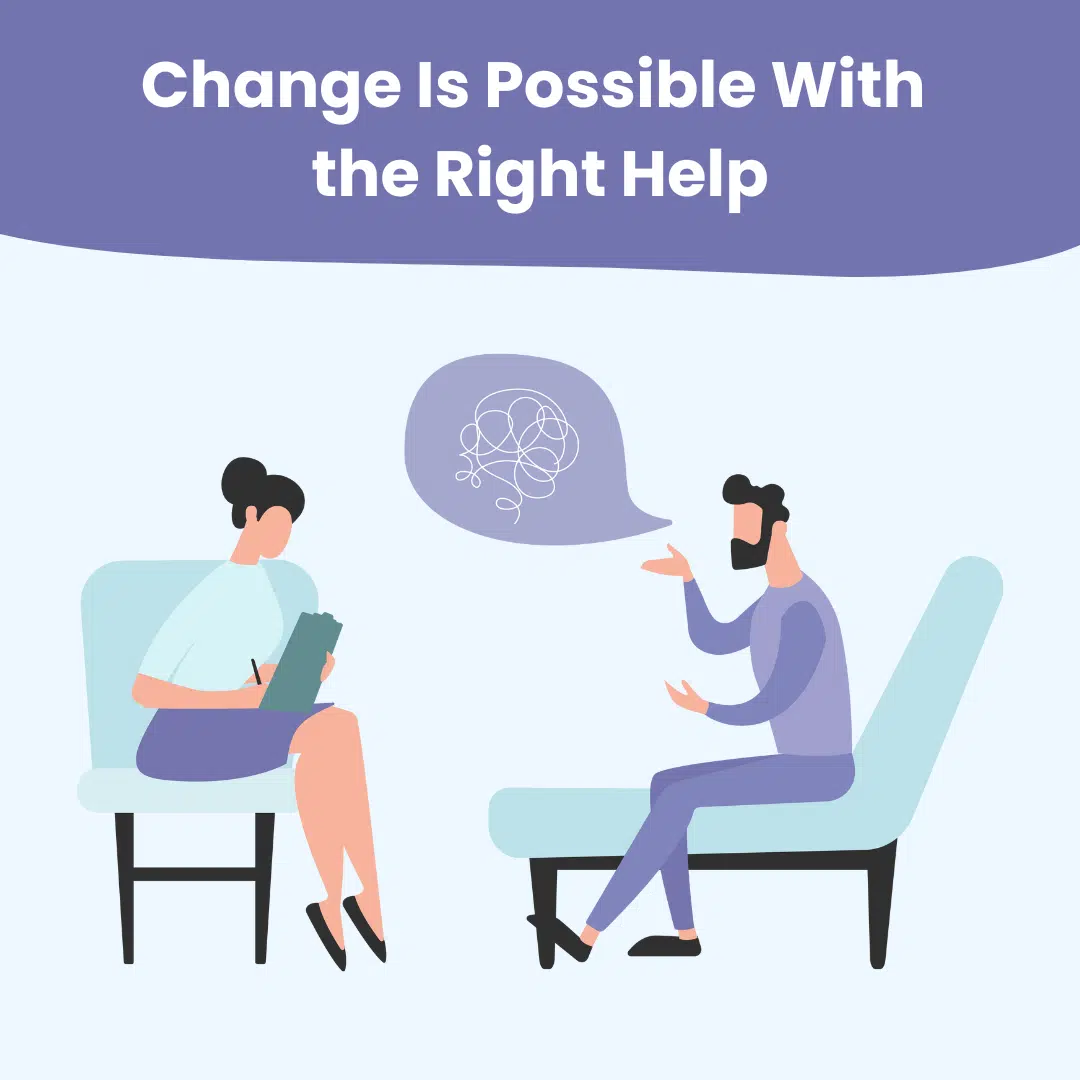
A trained counsellor can guide you in coping with job loss, whether that is through career transition counselling, stress management strategies or emotional resilience skills.
This blog offers six practical coping strategies that may support you in navigating this transition. Following that, we examine how career transition counselling can help individuals who are coping with job loss and seeking to develop emotional resilience.
Introduction to TYHO
TYHO provides in-person and online therapy in Singapore. Our platform connects clients to vetted and experienced Psychotherapists, Psychologists, and Counsellors in Singapore. We refer to all our mental health professionals collectively as "Therapists", given the overlap in their scopes of practice. A majority of our Therapists are members of recognised bodies such as the Singapore Association for Counselling (SAC) and the Singapore Psychological Society (SPS). If you'd like help with selecting someone suitable, WhatsApp us at +65 9831 0005 or email us at [email protected].

How Job Loss Affects Mental Health
As we briefly saw earlier, job loss often brings emotional and psychological challenges that aren’t always visible on the outside.
Some ways in which job loss may affect a person’s mental health are:
- Disruption of daily routine and structure
- Anxiety about finances and the future
- Loss of purpose or direction in day-to-day life
- Feelings of shame, guilt, or failure
- Low self-esteem and self-confidence
- Increased risk of job loss, depression, and emotional withdrawal
- Strained relationships with loved ones
- Low motivation or difficulty focusing
- Social isolation or avoidance due to stigma
- Uncertainty around identity and life goals
When coping with job loss, it’s can be helpful to notice and understand of these feelings and learn healthy ways to manage them. That’s where counselling comes in – providing practical tools and mental health support.
Coping with job loss can also create strain on your relationship. You may also wish to explore couples counselling with your partner to navigate this.
6 Strategies for Coping with Job Loss
From the outside, coping with job loss can often seem to be all about revamping your resume, starting the job hunt and getting ready for the next big break.
However, it can be helpful to face the emotions that come with such a sudden change before you start moving forward. The way you care for yourself during this period can significantly improve how you recover, both emotionally and professionally.
Here are six practical coping strategies that may help you regain control and move ahead with that job hunt, especially if you’re already using your company’s EAP services for mental health support.
1) Allow Yourself to Grieve
Change can always bring about a sense of grief, and coping with job loss is no exception. Give yourself permission to mourn what you’ve lost without judgment.
Suppressing these feelings can delay healing, and it’s can help to acknowledge them, creating space for closure and clarity, before you move on to future plans.

2) Lean on Your Support System
Whether it’s family, friends, a support group or a mental health professional such as a counsellor or psychologist, can provide a sense of safety and understanding, which can be an important part of the healing process.
Talking about what you’re going through can ease the weight of the struggle and reduce feelings of isolation, reminding you that you’re not alone in this experience.
3) Create a Doable Daily Routine
Coping with job loss can disrupt your daily rhythm, especially if your everyday life was planned mainly around your workday.
Re-establishing structure, even something as simple as setting a wake-up time, scheduling meals, picking up an old hobby or planning regular walks, can bring back a sense of stability and help improve your mental health.
4) Focus on the Small Wins
Set small, achievable goals that bring you a sense of progress.
For instance, you can start with simple tasks, such as updating your CV or changing your LinkedIn status to ‘Open to Work’, and gradually move your way up to more complex ones like applying for jobs or learning a new skill.
Such steps, though small, can help gradually rebuild your confidence and motivation.
5) Reframe the Narrative
It may be helpful to remember that this chapter of uncertainty can also become a chapter of personal growth.
Take time to reflect on the things that matter the most to you – for instance, your values, strengths, and aspirations. You may discover new possibilities or directions that align more closely with who you are today, seeing this setback as a door towards such new possibilities.
If doing this by yourself feels challenging, it can help you speak to a mental health professional through your company's Employee Assistance Program.
6) Seek Mental Health Support
Counselling can provide a safe and non-judgmental arena to explore and understand your emotions, challenge self-critical thoughts, and develop tools to foster emotional resilience.
If you’re coping with job loss depression or are looking for stress management strategies, a professional counsellor can help you feel seen and supported and guide you with moving forward.

5 Ways Career Transition Counselling Helps Build Emotional Resilience
Many organisations offer career transition counselling as part of their Employee Assistance Program (EAP). This provides a safe avenue to process, heal, rebuild and restart strong, with a strengthened sense of direction and emotional resilience.
Emotional resilience refers to a person’s ability to adapt to and recover from stressful situations, managing them effectively and using them as catalysts for growth. It’s a skill set that equips you to face the challenge now and also prepares you to handle it more effectively in the future.
Here are some ways in which career transition counselling can support you in coping with job loss and building emotional resilience:
1) Providing a Safe, Non-Judgmental Space
Counselling gives you room to unpack the emotional toll of job loss without the fear of being dismissed, judged or misunderstood. Simply having someone listen, really listen, can be incredibly grounding.
2) Processing Grief and Uncertainty
Losing a job can often bring feelings of grief.
Counsellors can help you process your loss, acknowledge your emotions, and offer guidance at a pace that feels safe and manageable for you)
3) Rebuilding Self-Confidence and Self-Worth
Coping with job loss may also make you question your value. Counsellors help reframe negative self-beliefs and overcome peer pressure and FOMO, reminding you that your value is not tied to your job.
Professional counselling can also help you reconnect with your strengths, capabilities, and more, both professionally and personally.
4) Strengthening Emotional Resilience for the Future
Counsellors use proven techniques, such as Cognitive Behavioural Therapy (CBT), to help you better manage stress, regulate emotions, and develop healthier coping strategies.
Beyond your current situation and mental health recovery, career transition counselling can help you build lasting emotional resilience, so future uncertainties don’t feel quite as overwhelming.
5) Exploring New Directions and Possibilities
When it comes to the future, a range of possiblities may exist. For example, you may want to switch industries, join a similar role, or start something new.
No matter which direction you wish to pursue, a Singapore counsellor can help you set SMART goals, navigate change, and move forward with clarity and intention.

Final Words
With the right mental health support and guidance, you can work towards understanding that you’re so much more than your job and that this, too, shall pass.
Career transition counselling can help you with building emotional resilience, retrenchment stress management, and coping with job loss. A counsellor can help equip you with skills to help rebuild your confidence and mental well-being.
Healing and growth may take time, but Talk Your Heart Out (TYHO) Therapists are here to help you on this journey.
If you’re an employer or HR professional searching for ways to help your employees cope with job loss and retrenchment, explore our EAP services.

About the Reviewer
Glennamarie MeenachiClinical Psychologist
Glennamarie is a clinical psychologist practising since July 2020, registered with the Malaysian Allied Health Professions Council (MAHPC (CP) 00265) and a Full International Member of the Singapore Psychological Society (FM023020M). She works with mood instability, work-related stress, anxiety, depression, self-esteem, trauma, bipolar disorder, OCD, ADHD and PTSD, conducts psychological assessments for neurodevelopmental conditions (ADHD, ASD, SLD), and previously served as a Crisis Support Officer in vulnerable communities. She reviews TYHO articles for clinical accuracy.
Read more about our editorial process.
View full profile- Master of Clinical Psychology (MClinPsych), University of Cyberjaya (Malaysia)
- Bachelor of Science in Psychology (BSc Psychology), Centro Escolar University (Philippines)
- Standard Mental Health First Aider
- Certified Crisis Support Officer (WAO)
- Malaysian Allied Health Professions Council, Registered Allied Health Practitioner (MAHPC (CP) 00265)
- Singapore Psychological Society, International Full Member (SPS: FM023020M)
- Malaysian Society of Clinical Psychology, Full Member (MSCP: CP1-0350)
- American Psychological Association, International Affiliate (APA: C2405020803)