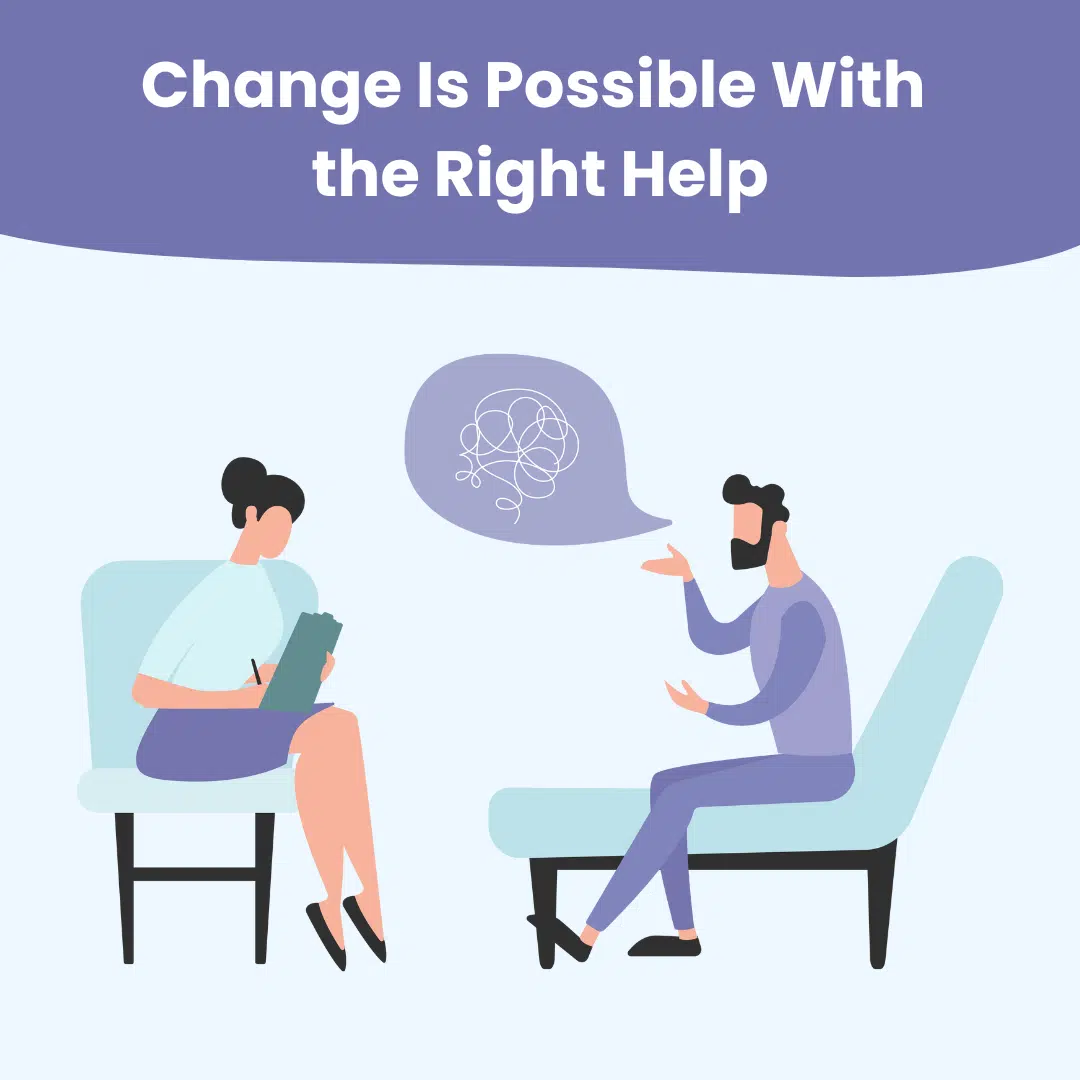

Choosing a therapist can sometimes be a challenging task in Singapore. With so many titles, qualifications, types and approaches out there, how do you actually know who’s right for you?
Remember, therapy is deeply personal. And while credentials matter, what matters just as much, if not more, is how your therapist makes you feel: Safe? Seen? Heard?
In this blog, we’ll explore six green flags every good therapist in Singapore has, followed by six red flags that might mean it’s time to walk away.
Introduction to TYHO
TYHO provides in-person and online therapy in Singapore. Our platform connects clients to vetted and experienced Psychotherapists, Psychologists, and Counsellors in Singapore. We refer to all our mental health professionals collectively as "Therapists", given the overlap in their scopes of practice. A majority of our Therapists are members of recognised bodies such as the Singapore Association for Counselling (SAC) and the Singapore Psychological Society (SPS). If you'd like help with selecting someone suitable, WhatsApp us at +65 9831 0005 or email us at [email protected].

6 Green Flags: Signs of a Good Therapist in Singapore
If it’s your first time trying therapy in singapore, you may be wondering how to know if your therapist is the right fit. It’s perfectly normal to be unsure about which signs are green flags and which are not.
The following sections take you through some common positive signs to look for when choosing a therapist in Singapore:
1) They Make You Feel Safe, Heard, and Not Judged
A skilled therapist in Singapore knows that emotional safety is the foundation of therapy.
Right from the very first session, they’ll work to make you comfortable expressing even your most difficult thoughts without fear of being criticised, dismissed, or ‘diagnosed’ on the spot.
They’ll listen attentively, hold space for your feelings, and help you process your experiences without rushing or pressuring you.
Try this
In early sessions, notice how your body feels during and after therapy. Do you feel lighter? Calmer? That sense of safety is a strong green flag.
2) They Maintain Professional Boundaries at All Times
Boundaries protect both you and the counselling process.
A responsible therapist in Singapore maintains clarity around session timings, confidentiality, the therapeutic process and the client-therapist relationship.
They don’t blur lines by oversharing personal stories, giving out personal contact details unnecessarily, or creating dependency.
Try this
If you’re unsure about something (like contact between sessions), it’s always okay to ask. A respectful response is a green flag in itself.
3) They Listen More Than They Speak
Your therapist should put you at the centre of therapy, ensuring that the therapeutic process runs around you, your goals and your needs.
They give you the time and space to express, reflect, process and respond, without ever rushing to advise or interrupt with their thoughts. Their presence feels calm and guiding, not overbearing, performative or overtly chatty.
Professional counsellors listen actively, provide actionable insights and slowly nudge you towards your goals.
Try this
Does your therapist recollect things you’ve shared in previous sessions? That’s a sign of active listening and one of the key traits of any good therapist in Singapore.
4) They Personalise Therapy to Fit You, Not the Other Way Around
Everyone’s mental health journey is different. We have unique experiences, lifestyles, challenges and goals. It’s precisely due to this reason that therapy doesn’t follow a template; it’s meant to be tailored to your needs.
Your therapist in Singapore will take the time to understand your background, culture, challenges and comfort levels, adjusting their approach to best fit your needs.
Try this
During your first session, ask your therapist which type of therapy or therapeutic approach(es) they typically use. Later, pay attention to whether they’re adapting the process to suit you.
Also, remember to be vocal about your goals and progress.
5) They Welcome Feedback – and Don’t Take it Personally
Feedback is crucial to the success of therapy, and a good therapist will welcome it, or even voluntarily ask for it regularly. Humanistic therapy also emphasises this, since the relationship itself is central to healing.
Voice any concerns, preferences, hesitations, or even discomfort with your therapist in Singapore.
A therapist who invites feedback actively, without defensiveness, is one who is invested in creating a safe space that works for you.
Try this
Note how your therapist responds when you share constructive feedback (when you feel like something isn’t working or if you want to try something different).
Do they respond with openness and empathy? If you answered yes, that’s a green flag.
6) They’re Transparent & Don’t Give False Hope
Healing isn’t a linear journey, and therapy is not a quick fix. A professional therapist or psychologist in Singapore will never give false, vague or overly optimistic promises of fixed outcomes and timelines.
What they can offer is an honest, clear and transparent explanation of their approach, your therapeutic plan, and what therapy can and can’t do. They’ll avoid sugarcoating or rushing through the process.
Try this
In your first session, ask your therapist,
‘When can I expect to see results?’.
Their answer to this question can help you gauge how transparent, honest and professional they are.

6 Red Flags: When to Walk Away & Look for Other Options
When you’re just starting with therapy, your instincts matter a lot. But it can be hard to tell the general anxiety around therapy and meeting a new person apart from therapy red flags.
The following are some strong signs that show it might be time to walk away and try a different therapist in Singapore:
1) They Interrupt, Invalidate, or Talk Over You
Therapy is a space where your voice should take centre stage. Try to note if your therapist in Singapore does any of the following:
- Cuts you off mid-sentence to interrupt
- Rushes to share their opinion
- Brushes past what you share
- Explicitly or subtly invalidates something you share
- Constantly steers you towards a pre-planned course of conversation
These are some of the biggest therapy red flags to be wary of. If you find that your therapist is engaging in any of the above behaviours, it may be time to consider other options.
Ask yourself
Do I leave sessions feeling heard, or do I feel like I’m competing for space?
2) They Make Sessions About Themselves
A therapist may occasionally share something personal to build trust, rapport, or to offer perspective. However, a good therapist or couples counsellor will always be mindful of what they share, how much they share, and when they share it.
If your counsellor in Singapore is talking more about their own life than yours, it’s a definite red flag.
Over-sharing, even if it feels like bonding, can blur boundaries and subtly shift the emotional labour onto you.
Ask yourself
Whose feelings and experiences are we talking about more – mine or theirs? Who talks more in general – me or them?
3) They Cross Personal Boundaries or Act Inappropriately
Boundary crossing – whether physical, verbal, or via text – is serious. Look out for any of the following red flags from your therapist in Singapore:
- Overly familiar messages: While a therapist can be friendly and empathetic, there is a fine professional boundary to be mindful of.
- Unwanted physical touch: Even something seemingly harmless, such as a pat to your arm, if unwelcome, is crossing a boundary.
- Inappropriate comments: Made for fun, during in-person sessions, online, or over correspondence.
Professional boundaries are what help make therapy a safe space. A therapist who oversteps them, even if they seem well-meaning, is waving a red flag.
Ask yourself
Do I feel safe in this space? What is my body language like with my therapist? Am I able to trust them to respect my boundaries?
4) They Offer Unsolicited Advice or Make You Feel Judged
Therapy is never about lectures, advice or checklists of instructions. It’s a collaborative safe space, one where you should feel understood and not judged.
Actionable advice can be quite helpful when it’s invited and offered with empathy. But it shouldn’t feel like an unsolicited directive or make you feel ashamed for opening up.
Remember, a good therapist in Singapore will guide you towards making your own decisions and having your own breakthroughs.
Ask yourself
Am I being guided, or am I being told what to do?
5) They Diagnose You Casually or Without Proper Explanations
Labels aren’t something to be dealt with lightly. Mental health diagnoses should be made only after careful assessment, clear explanations and your explicit consent.
If your therapist casually mentions terms like ‘depression,’ ‘bipolar,’ or ‘ADHD’ without clearly explaining what they mean or how they arrived at that conclusion, it can be a huge stop sign.
Ask yourself
Does my therapist frequently mention labels without consent and explanation?
6) They Ignore Cultural and Emotional Boundaries
Therapy or counselling services are meant to meet you where you are – and that includes understanding your cultural, religious, or personal identity, as well as your emotional readiness.
If a therapist brushes aside your lived experience or applies a one-size-fits-all lens, it can feel not only invalidating but also unsafe.
This might look like invalidating your family dynamics, dismissing cultural stigma around mental health, or making assumptions about your values.
Another closely linked aspect is emotional boundaries. A good therapist checks in when sessions get heavy, is mindful of what you’re ready to explore, and never pushes you before you’re emotionally ready.
Ask yourself
Does my therapist respect my cultural and religious background?
Do I feel emotionally safe here, or am I being pushed into conversations that I’m not ready to have?

A Quick Checklist for Choosing the Right Therapist in Singapore
You can use this mini checklist to guide your decision when exploring therapists in Singapore.
Some of these questions can be answered based on your experience and intuition, while others may need to be explicitly addressed. Feel free to ask your therapist any questions you have during your first session.
- Do they have relevant qualifications and registrations?
- Do you feel safe, respected, and not judged in their presence?
- Do they explain their therapy approach and techniques clearly?
- Are they open to feedback and flexible in their methods?
- Do they maintain clear professional boundaries?
- Is their experience aligned with the issues you’re seeking help for?
Tip
Don’t hesitate to ask for a quick phone consultation or a one-off session before committing to a session plan.
A professional therapist won’t rush or pressure you – they’ll welcome your questions.

Key Takeaways
You deserve a therapist who meets you where you are – with empathy, openness, and professional support. If something feels off, remind yourself that it’s okay to ask questions or explore other options. Here’s a quick recap to guide your search:
Green Flags: What to Look For
They listen more than they speak
They tailor their approach to your needs
They welcome feedback and respond with openness
They offer guidance while respecting your autonomy and personal decision-making
They check in on your progress regularly
They communicate openly about what therapy can and cannot offer, without guaranteeing results
Red Flags: When to Walk Away
They interrupt, invalidate, or talk over you
They make sessions about themselves
They cross professional or personal boundaries
They offer advice without consent or make you feel judged
They ignore or dismiss your cultural background, identity or emotional comfort
They diagnose casually without a proper explanation
If you’re looking to start your search for the right therapist, click here to explore TYHO Therapists in Singapore 💜

About the Reviewer
Glennamarie MeenachiClinical Psychologist
Glennamarie is a clinical psychologist practising since July 2020, registered with the Malaysian Allied Health Professions Council (MAHPC (CP) 00265) and a Full International Member of the Singapore Psychological Society (FM023020M). She works with mood instability, work-related stress, anxiety, depression, self-esteem, trauma, bipolar disorder, OCD, ADHD and PTSD, conducts psychological assessments for neurodevelopmental conditions (ADHD, ASD, SLD), and previously served as a Crisis Support Officer in vulnerable communities. She reviews TYHO articles for clinical accuracy.
Read more about our editorial process.
View full profile- Master of Clinical Psychology (MClinPsych), University of Cyberjaya (Malaysia)
- Bachelor of Science in Psychology (BSc Psychology), Centro Escolar University (Philippines)
- Standard Mental Health First Aider
- Certified Crisis Support Officer (WAO)
- Malaysian Allied Health Professions Council, Registered Allied Health Practitioner (MAHPC (CP) 00265)
- Singapore Psychological Society, International Full Member (SPS: FM023020M)
- Malaysian Society of Clinical Psychology, Full Member (MSCP: CP1-0350)
- American Psychological Association, International Affiliate (APA: C2405020803)