
Ever felt like someone’s words didn’t match their body language? A body language example is meeting someone who is very quiet yet comes across as confident.
That’s body language at work.
We often focus on words, but much of communication happens without them.
In this article, we explore body language examples, nonverbal cues, and how counsellors in Singapore can help you build confidence.
Introduction to TYHO
TYHO provides in-person and online therapy in Singapore. Our platform connects clients to vetted and experienced Psychotherapists, Psychologists, and Counsellors in Singapore. We refer to all our mental health professionals collectively as "Therapists", given the overlap in their scopes of practice. A majority of our Therapists are members of recognised bodies such as the Singapore Association for Counselling (SAC) and the Singapore Psychological Society (SPS). If you'd like help with selecting someone suitable, WhatsApp us at +65 9831 0005 or email us at [email protected].

What Is Body Language and Why Does It Matter?
Body language refers to the nonverbal signals we use to communicate. This includes:
- Facial expressions
- Posture
- Gestures
- Eye contact
- Space we keep from others
In simple terms, body language meaning is how your body speaks when you’re not using words.
Research shows that nonverbal communication plays a significant role in how messages are received. People tend to trust what they see over what they hear, especially when the two don’t align with each other.
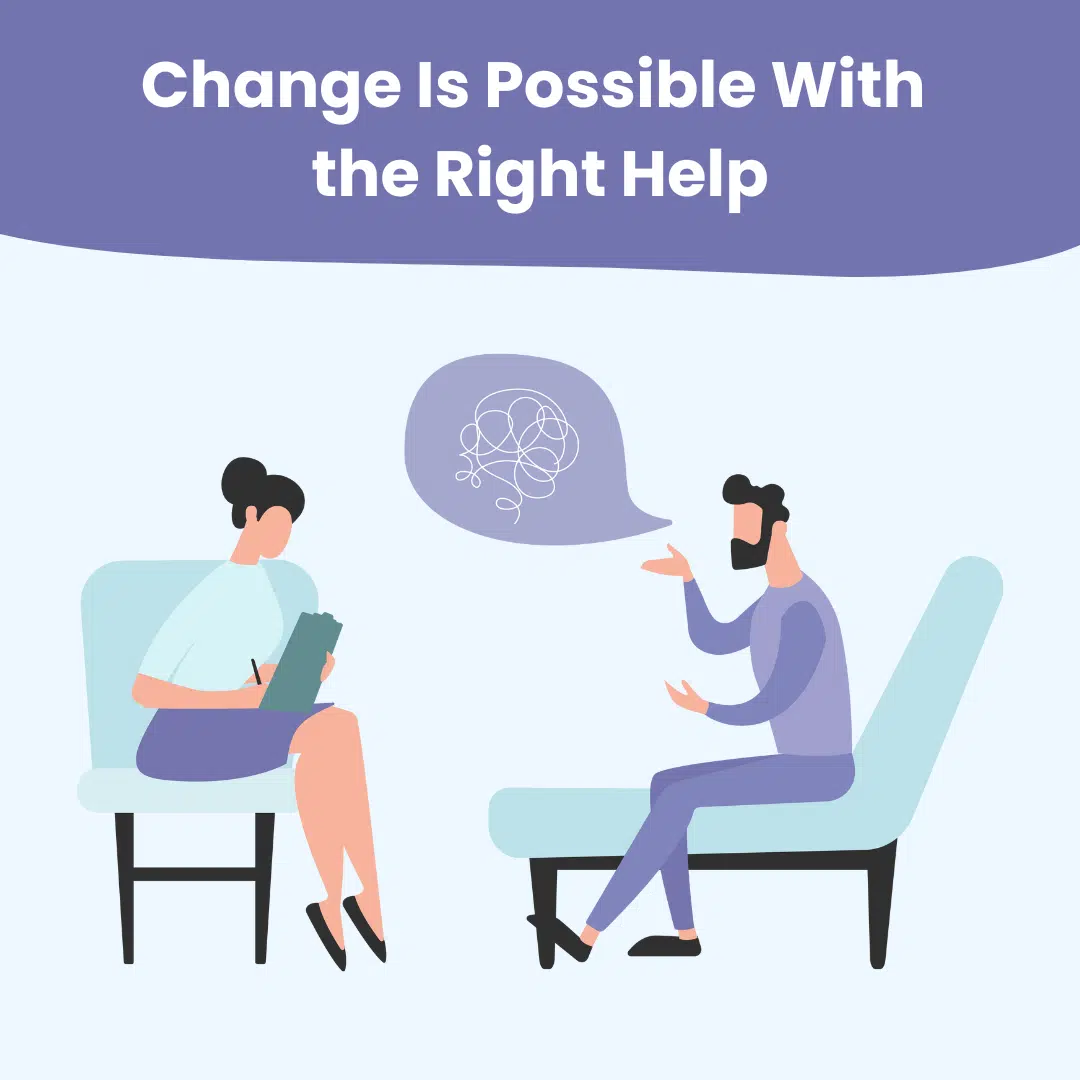
Professional Therapists may also use nonverbal cues to identify what their clients are trying to communicate.
Why Body Language Matters
Body language:
- Shapes first impressions quickly
- Influences how confident or approachable you appear
- Affects how others respond to you
- Reflects your internal emotional state
For example, you might say ‘I’m fine,’ but if your shoulders are slumped and you avoid eye contact, others may perceive you as being sad or emotionally overwhelmed.
Common Body Language Examples and What They Mean
Let’s look at some everyday examples of body language and what they often mean.
1) Facial Expressions and Eye Contact
Your face is one of the most expressive parts of your body.
Below are some body language examples that are typically associated with confidence:
- Smiling shows warmth, openness, and friendliness
- Frowning or tightening the jaw may signal stress or discomfort
- Raised eyebrows can indicate surprise or curiosity
- Avoiding eye contact may suggest nervousness or lack of confidence
- Eye contact is especially powerful in body language communication.
When you maintain eye contact, it may show:
- Confidence
- Interest
- Respect
Too little eye contact can feel distant. Too much can feel intense or confrontational. The goal is to find the balance and stick with a natural engagement. If difficulties with confidence, anxiety, or social communication begin affecting your daily life, speaking with counsellors in Singapore may help you better understand and work through these patterns.

2) Posture and Stance
How you carry your body says a lot about how you feel. This is why most professional counsellors may observe your body language, your use of your hands and legs, your eye contact, and your general body movement, in addition to verbal communication.
Positive body language examples include:
- Standing or sitting upright
- Shoulders relaxed
- Head held level
These signals often reflect confidence and attentiveness.
Negative body language examples include:
- Slouching
- Folding into yourself
- Constant shifting or fidgeting
These may signal discomfort, insecurity, or disinterest.
A simple shift in posture can actually influence how you feel internally. Sitting upright can make you feel more alert and engaged.
3) Hand Gestures and Movements
Your hands often emphasise what you’re saying.
Open gestures, visible palms, and natural hand movements while speaking could suggest honesty and openness.
Closed or tense gestures, clenched fists, or hands hidden or tightly held together may indicate stress or defensiveness.
Excessive or rapid gestures can feel overwhelming, while no gestures at all may come across as stiff.
All About Nonverbal Cues
Nonverbal communication includes subtle signals that shape how messages are understood.
Examples of nonverbal cues include:
- Tone of voice
- Pace of speech
- Pauses and silence
- Physical orientation towards or away from someone
For example, you might say something supportive, but if your tone is flat and your body is turned away, the message may come across as insincere.
Understanding nonverbal cues helps you:
- Read emotions more accurately
- Respond with empathy
- Avoid misunderstandings
This is also something professional counsellor may use during sessions to understand you better. An approach to improving understanding of nonverbal cues is to focus on gestures.
How to Improve Your Body Language for Confidence
The good news is that body language is a skill you can build. Here are practical ways to improve body language and develop confidence in it.
- Start with awareness: Notice your current habits. Do you avoid eye contact? Do you tend to slouch? Awareness is the first step.
- Adjust your posture: Sit and stand upright with relaxed shoulders. This small change can instantly make you appear more confident.
- Practise eye contact: Try maintaining eye contact for a few seconds at a time during conversations. It doesn’t have to feel intense.
- Use open gestures: Keep your hands visible and relaxed. Avoid crossing your arms unless it feels natural in the moment.
- Slow down your movements: Rushed movements can signal anxiety. Moving with intention creates a calmer presence.
- Mirror others gently: Subtly matching someone’s tone or posture can build rapport. Keep it natural, not forced.
- Check your facial expressions: A neutral or slightly warm expression often feels more approachable than a blank or tense face.

Body Language Tips for Different Situations
Different situations call for slightly different approaches. Let’s break it down in this section together.
In conversations and relationships
Focus on presence:
- Maintain gentle eye contact
- Nod occasionally to show you’re listening
- Face the person fully
- Avoid distractions like checking your phone
For example, if someone is sharing something personal, leaning in slightly and maintaining eye contact shows that you care and are engaged.
In interviews and workplace settings
Professional settings require a balance of confidence and composure.
- Sit upright and avoid slouching
- Offer a firm but not overpowering handshake if appropriate
- Use controlled hand gestures
- Avoid fidgeting or tapping
For example, when answering a question, pause briefly before speaking and maintain steady eye contact to make your response feel more thoughtful.
In public speaking or presentations
Your body language can either support or distract from your actual intention.
Try the following body language examples:
- Stand with a stable stance
- Use purposeful gestures to emphasise points
- Make eye contact with different parts of the audience
- Avoid pacing excessively
For example, if you’re making a key point, pause, hold eye contact, and let the message reach the other person before continuing. If social anxiety, low self-confidence, or fear of public interactions starts becoming overwhelming, a psychologist can help you better understand these challenges and develop healthier coping strategies.
How Therapy Can Help Improve Confidence and Communication
Sometimes, body language challenges are linked to deeper issues like generalised anxiety, low self-esteem, or negative childhood experiences.
This is where therapy or counselling sessions can be helpful. Working with a therapist can help you:
- Understand the cause of your discomfort
- Build self-awareness
- Practise social interactions in a safe space
- Develop tools for managing anxiety
For example, if you struggle with eye contact due to social anxiety, therapy can help you gradually build comfort without pressure.
Final Word
Body language is a powerful part of communication. It shapes how others see you and how you experience interactions.
If you’ve ever wondered why certain interactions feel easy, and others don’t, your body language might be part of the answer.
The good part is this: You can learn it, practise it, and make it work for you. Reach out to a counsellor at TYHO today.