
‘I’m seeing red.’ ‘This is making my blood boil.’ Are you familiar with these idioms? We use these expressions describe moments of intense anger, but they often make the emotion seem overwhelming or out of control.
The surprising aspect of anger is that it’s a natural and essential part of the human experience. It can alert us to injustice and help us set boundaries.
However, despite anger being such a natural emotion, people find it difficult to manage. Imagine feeling so much anger that you want to break furniture. For example, you might feel so much anger that you want to break things, or lash out in ways you later regret. When anger escalates in such ways without constructive outlets, it can become unsafe for both yourself and others.
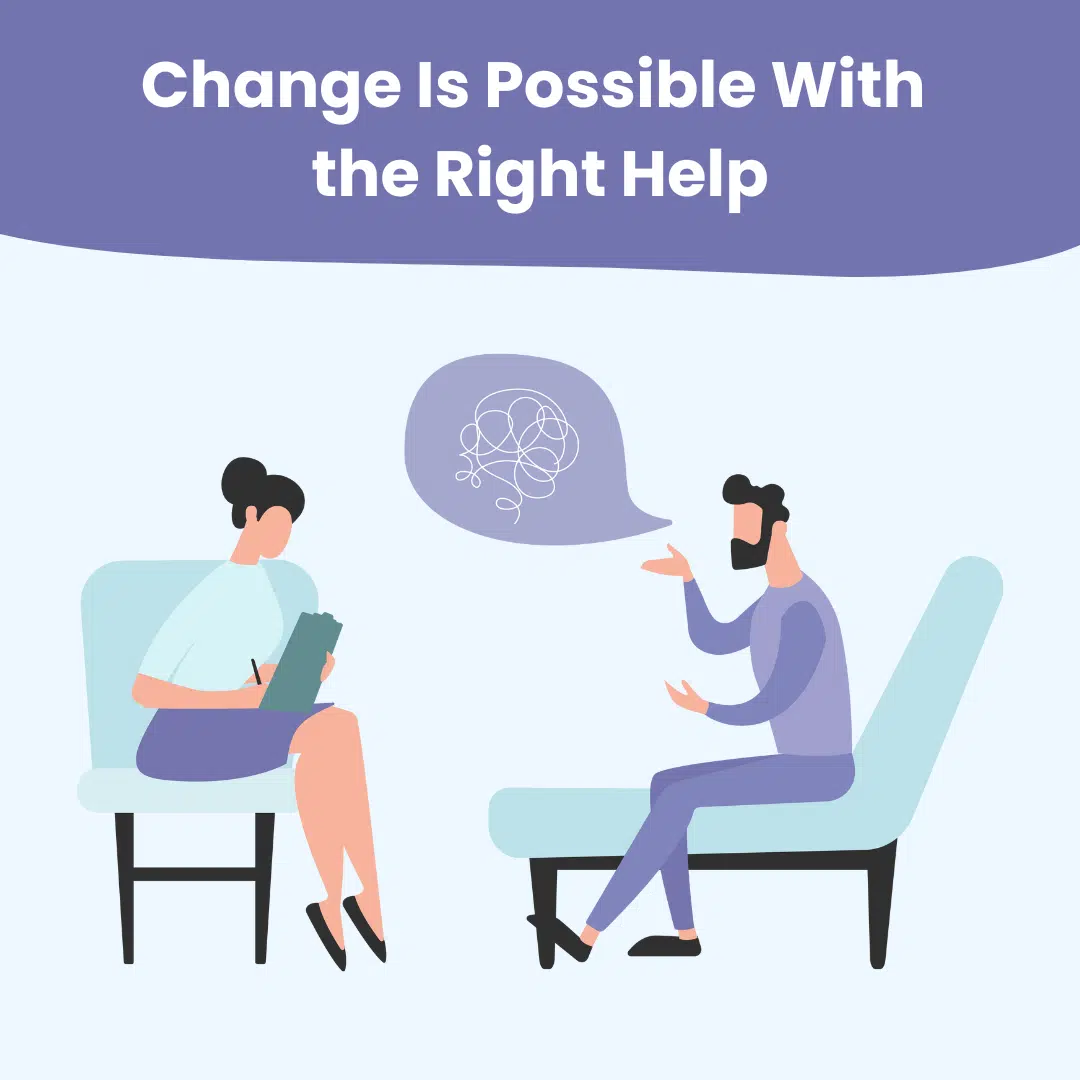
Anger management therapy in Singapore can provide a safe space to learn constructive ways and strategies to process your emotions, set boundaries, and respond intentionally rather than react impulsively.
In this article, we’ll discuss signs of unhealthy anger and explore two evidence-based techniques therapists may use to help manage it effectively.
Introduction to TYHO
TYHO provides in-person and online therapy in Singapore. Our platform connects clients to vetted and experienced Psychotherapists, Counsellors, and Psychologists in Singapore. We refer to all our mental health professionals collectively as "Therapists", given the overlap in their scopes of practice. A majority of our Therapists are members of recognised bodies such as the Singapore Association for Counselling (SAC) and the Singapore Psychological Society (SPS). If you'd like help with selecting someone suitable, WhatsApp us at +65 9831 0005 or email us at [email protected].


What Approaches Do Therapists in Singapore Use?
Therapists in Singapore may use several techniques to help you:
- Build safer, more supportive ways to process and express anger
- Understand the triggers and root causes of your anger
- Understand and work through any underlying issues that may be worsening your anger
- Navigate anger within relationships while strengthening communication and connection
Below are some of the common types of approaches.
1) Cognitive Behavioural Therapy (CBT)
CBT is used to address thoughts and behavioural patterns that may be unhelpful or distressing.
For example, imagine you are angry at your friend for being late for a hangout event. Your first automatic thought would be, ‘I hate that she’s late. How could she be so irresponsible?’
Your frustration may lead to automatic behaviours such as ignoring your friend’s phone call, leaving the place without explanation or checking with them, or having a heated argument.
However, your counsellor may guide you in unpacking and understanding these emotions during sessions. CBT can help you notice patterns in your thoughts and responses, and provide tools to express anger in ways that feel intentional.
Talking to a counsellor about anger can also help you respond to challenging situations wit increased awareness and self-compassion.
2) Dialectical Behavioural Therapy (DBT)
Therapists in Singapore who use DBT may focus on 3 core aspects:
- Emotional regulation
- Distress tolerance
- Mindfulness
DBT is a practical, structured approach that gives you step-by-step instructions to manage anger.
For example, a DBT tool that therapists may use is a cost-benefit analysis, where you can list and explore the potential outcomes of different responses to anger.
If your initial impulse is to break something, the potential cost may include harm to yourself or others, with little or no benefit.
On the other hand, if your first reaction is screaming into a pillow, the cost is minimal, and the benefit is safely releasing pent-up emotions.
Using structured dialogue exchange, Singapore counsellors may help you gain clarity on situations and reactions you might have previously overlooked.

2 Tools Therapists Use to Address Anger
Therapists in Singapore may use various tools to help you notice, understand, and respond to anger.
The type of counselling and tool a professional uses depends on many factors. Some of these include the following:
- How intense your anger feels
- The ways anger may be affecting different aspects of your life
- The negative effects of anger on your relationships and work
- Any underlying mental health issues
- Your needs and preferences
Let’s look at the 3 most common therapeutic tools below.
1) Norman Cotterell’s 7 Steps for Anger
Norman Cotterell is a clinician who has developed 7 steps for effective anger management.
Before exploring the 7 steps, a therapist may help you prepare by reflecting on your responses to anger, a process similar to the cost-benefit analysis described earlier
Doing the cost-benefit analysis can help set the context. The Singapore therapist may ask you to:
- Write down ways you’d like to manage anger that feel helpful or admirable
- Consider the potential costs and benefits of different responses to anger
- Rate or reflect on how each response may support your well-being
You may then look at which response feel most aligned with your goals and values, helping you respond to anger in ways that serve you and your relationships
The following 7 steps are:
a) ‘Should’ rules
Anger often arises when our internal ‘should’ expectations are unmet. For example, ‘They should have informed me,’ ‘He should pay attention,’ ‘She should be honest.’
A therapist in Singapore may guide you in noticing these ‘shoulds’ and exploring how they influence your feelings. This stage focuses on understanding and accepting what has happened, rather than pushing against it.
b) Emotions about broken rules
In the second step, the therapist may help you notice and explore your emotional responses.
You might feel hurt, sad, betrayed, or frustrated. These underlying emotions often provide important insight into what your anger is communicating and can help you better understand the experiences and needs that are coming up for you.
c) Hot thoughts
In the third step, the counsellor support you in noticing thoughts that feel highly intense, also called ‘hot thoughts’.
For example, imagine your friend accidentally breaking your favourite cup. Counsellors in Singapore may help you explore alternative, more reflective thoughts instead of intense ones. This can also help navigate anger in a relationship.
d) Anger
The fourth step of this technique focuses on understanding anger as a signal of underlying needs and values. Your therapist guide you in using breathing exercises, mindfulness tools, or relaxation practices to regulate and notice your emotional responses.
During counselling sessions, the therapist may also help you explore how anger can highlight your values and priorities, offering insight rather than framing anger as something to suppress or control.

e) Moral disengagement
During this stage, you may learn to notice unhelpful thoughts and explore alternative, balanced ways of thinking.
For example, imagine you have a heated argument with your sibling and say, ‘He started it. It’s his fault.’
A therapist may guide you in reflecting on why you’re thinking this way and gently explore the potential benefits and drawbacks of that assumption. This encourages self-awareness and helps you respond to conflict in ways that feel more intentional and grounded.
f) Aggression
The 6th step involves noticing and exploring aggressive impulses or behaviours that arise from anger.
For example, your therapist in Singapore may ask you to:
- Practice empathy for the people involved in the situation
- Consider the perspectives of others to gain a broader understanding of the situation
- Step into the shoes of other people around you to shift perspectives
The tools a therapist may use may also teach you to express your feelings in constructive ways. These skills can be especially helpful in romantic relationships, where unresolved anger or miscommunication may lead to repeated conflicts. In such cases, working with a couple therapist can help partners understand each other’s emotional triggers, practise healthier communication patterns, and respond to conflict with awareness, empathy, and intentionality rather than aggression.
g) Outcome
In the final stage, therapists may work with you to:
- Exploring and reducing underlying feelings like guilt or shame
- Processing and gaining closure after intense emotional experiences
- Learn how to identify any triggers potential triggers in the future and develop strategies and resources (such as anger management books) to navigate them safely
Note that these stages are not strictly linear and can be explored in ways that best meet your needs and pace.
Tip: If you’re experiencing intense anger, have an honest talk with your Therapist and understand how they can help you manage it. It’s often hard to seek help when it feels like we’re at the centre of a problem. If you feel that way, it’s best to reach out to a loved one and ask them for help booking a session with a therapist in Singapore.
Dealing with anger can be challenging, as it involves constant self-reflection and self-care. Hence, your therapist also understands the difficulty of this process. Having an honest conversation can ensure that you’re heading in the right direction at the right pace.
Conclusion
Anger is a natural and common emotion. While it can sometimes feel overwhelming or affect your life and relationships, it can also provide valuable information about your needs and experiences.
Therapists in Singapore may use approaches such as CBT and DBT to help you understand, process, and respond to anger in ways that feel safe and intentional. Both tools are practical and involve several exercises you can practice, even outside therapy sessions.
Intense anger can sometimes contribute to other challenges, such as anxiety, distress, and fatigue.
Seeking support early can help you build coping strategies and prevent these difficulties from escalating. If you are ready to get started, find a TYHO Therapist for anger here.

About the Reviewer
Glennamarie MeenachiClinical Psychologist
Glennamarie is a clinical psychologist practising since July 2020, registered with the Malaysian Allied Health Professions Council (MAHPC (CP) 00265) and a Full International Member of the Singapore Psychological Society (FM023020M). She works with mood instability, work-related stress, anxiety, depression, self-esteem, trauma, bipolar disorder, OCD, ADHD and PTSD, conducts psychological assessments for neurodevelopmental conditions (ADHD, ASD, SLD), and previously served as a Crisis Support Officer in vulnerable communities. She reviews TYHO articles for clinical accuracy.
Read more about our editorial process.
View full profile- Master of Clinical Psychology (MClinPsych), University of Cyberjaya (Malaysia)
- Bachelor of Science in Psychology (BSc Psychology), Centro Escolar University (Philippines)
- Standard Mental Health First Aider
- Certified Crisis Support Officer (WAO)
- Malaysian Allied Health Professions Council, Registered Allied Health Practitioner (MAHPC (CP) 00265)
- Singapore Psychological Society, International Full Member (SPS: FM023020M)
- Malaysian Society of Clinical Psychology, Full Member (MSCP: CP1-0350)
- American Psychological Association, International Affiliate (APA: C2405020803)