
Have you ever found yourself wondering whether what you’re feeling is love or just infatuation?
Feelings can often be confusing, especially during the initial stages, when they feel magical, intense, exciting, and all-consuming.
At the start of a relationship, you may think about the person constantly, feel drawn to them, and imagine having a perfect future together. But over time, you might begin to question whether these feelings are something deeper or are simply the thrill of something new.
In this blog, we explore the key differences between infatuation vs love, ways to better understand what you’re truly feeling, and how couples counselling in Singapore can help you navigate this together as a couple.
Introduction to TYHO
TYHO provides in-person and online therapy in Singapore. Our platform connects clients to vetted and experienced Psychotherapists, Psychologists, and Counsellors in Singapore. We refer to all our mental health professionals collectively as "Therapists", given the overlap in their scopes of practice. A majority of our Therapists are members of recognised bodies such as the Singapore Association for Counselling (SAC) and the Singapore Psychological Society (SPS). If you'd like help with selecting someone suitable, WhatsApp us at +65 9831 0005 or email us at [email protected].

What Is Infatuation vs Love?
To understand the difference between infatuation vs love, let us first look at what each one means.
Note: You may also wish to explore these concepts during couples counselling sessions in Singapore.
Definition of Infatuation
Infatuation is often intense and immediate. It is usually driven by a strong physical attraction, intense excitement, and idealisation of the other person.
You may find yourself thinking about them constantly and focusing only on the things you like about them, while overlooking their flaws.
Definition of Love
Love, on the other hand, tends to develop over time. It is deeper and more stable, and is built on emotional connection, trust, and mutual understanding.
Love involves accepting someone as they are, including their imperfections.
Why the Two Can Feel Similar
The reason infatuation and love can feel similar is because they often overlap in the beginning stages of a relationship. Both can bring you excitement, strong emotions, and a sense of closeness.
However, while infatuation is usually short-lived and fades with time, love grows stronger with time and shared experiences.

6 Key Differences: Infatuation vs Love
While infatuation and love can feel similar at first, there are some clear differences that set them apart. Below are six such differences that you can use to tell them apart:
1) Love accepts imperfections, while infatuation idealises. When you are in love, you begin to see and accept the other person as they truly are, including their flaws. Infatuation, on the other hand, may involve focusing only on what feels exciting, perfect and ideal about them.
2) Infatuation is intense but short-lived, while love grows stronger over time. Infatuation can feel very intense in the beginning, but it may fade just as quickly. Love tends to build gradually and become stronger through shared experiences. Couples experts note that love looks ahead and considers a shared future.
3) Love builds deep emotional connection, while infatuation stays surface-level. Love involves trust, vulnerability, and mutual understanding. Infatuation is often driven by physical attraction and in-the-moment excitement rather than emotional connection.
4) Infatuation can feel obsessive, while love feels secure. Infatuation may involve constantly thinking about the person and seeking reassurance. It can also come with uncertainty and the fear of losing the person. Love, in contrast, is built on trust, tends to feel calmer, more stable and emotionally secure.
5) Love encourages growth, while infatuation can feel all-consuming. In a loving relationship, both partners actively support each other’s growth and independence. Infatuation can sometimes feel all-consuming, making it hard to focus on other parts of your life.
6) Infatuation is driven by fantasy, while love is rooted in reality. Infatuation may involve imagining an ideal version of the relationship. Love accepts reality and works through challenges together.
Also Read: How Do I Tell If He Loves Me-15 Signs to Look Out For
Can Feelings Change Over Time in Relationships?
Yes, it is completely normal for feelings in a relationship to change over time. What starts as excitement and strong attraction can either deepen into love or may also gradually fade with time.
The Honeymoon Phase Explained
In the early stages of a relationship, everything can feel intense and exciting. This is often called the honeymoon phase, where emotions are heightened and your focus is mostly on the positives of the other person and the relationship.
During this time, infatuation is a common experience. You may feel a strong pull towards the other person, think about them constantly, and overlook differences and challenges.
Transition from Infatuation to Love
As the relationship progresses, the initial intensity of feelings may settle. This is where a deeper connection has the chance to grow.
Love begins to develop when you start seeing each other more realistically, communicate openly with each other, and thus build trust over time. The relationship may feel calmer, but also more stable and meaningful.
Why Some Relationships Don’t Progress
Not all relationships move from infatuation to love, and that is okay. Sometimes, once the initial excitement fades, you may realise that there is a lack of compatibility or emotional connection between the two of you.
In other cases, differences in expectations, communication styles, or the absence of readiness for commitment can make it difficult for the initial spark to progress into a healthy relationship.
How to Manage Intense Feelings of Infatuation
If your feelings of infatuation feel overwhelming, below are some tips from couples counselling sessions to help you slow down and reflect on them rationally:
- Take a step back and notice how often you are thinking about the person
- Remind yourself to see them realistically, not just through idealised thoughts
- Maintain your routine, hobbies, and social life outside the relationship
- Avoid rushing decisions or major commitments
- Give the relationship time to develop naturally

How Couples Counselling Can Help You Understand Your Feelings
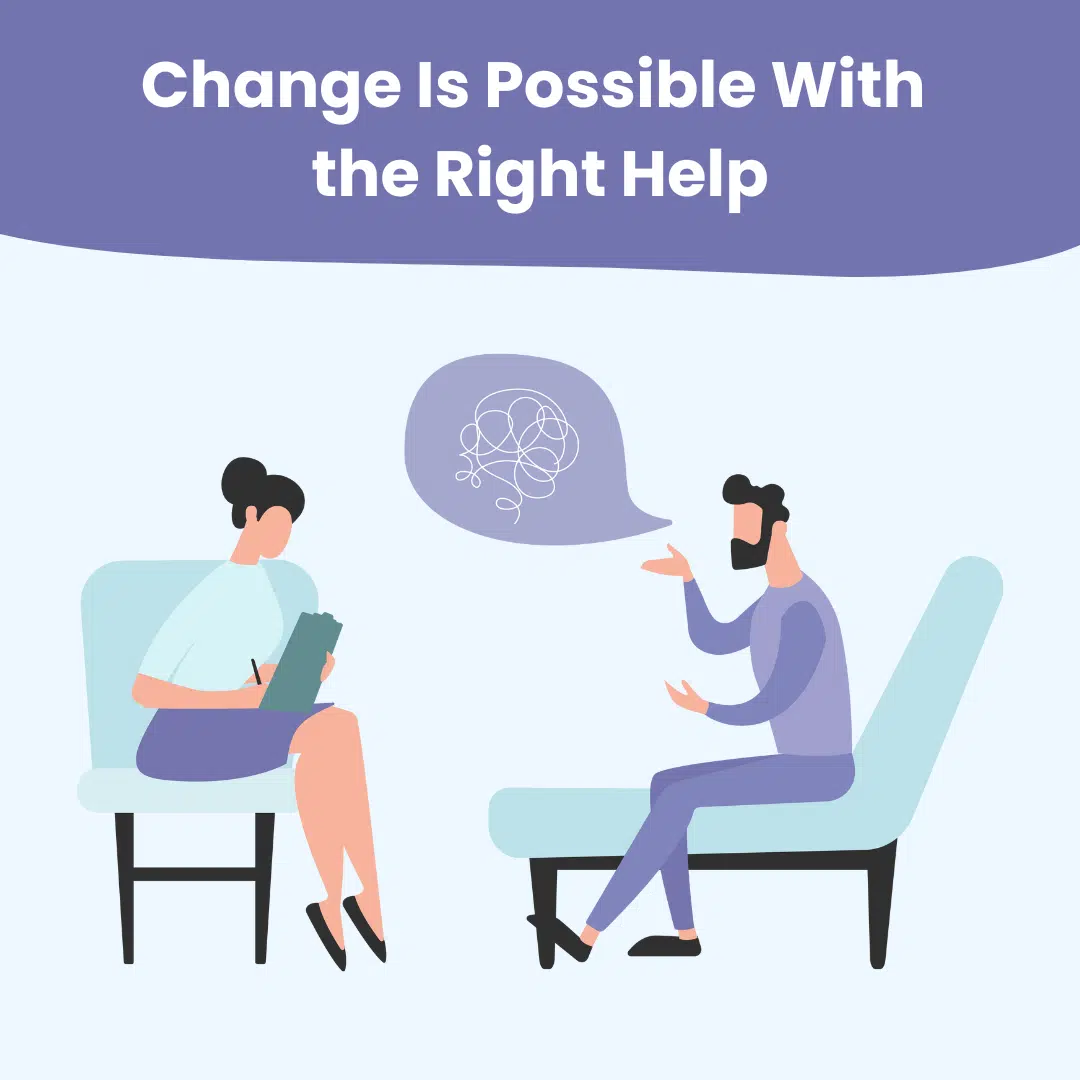
If you are feeling confused about whether what you are experiencing is love or infatuation, remember that you are not alone. These emotions can be complex, and it is not always easy to make sense of them on your own. Couples counselling can provide a safe space to explore your feelings under the guidance of a trained professional.
A Singapore couples counsellor can:
- Help you understand your emotional patterns, compatibility, love languages and relationship needs
- Guide you in distinguishing between attraction, attachment, and deeper, emotional connection
- Encourage open and honest communication with your partner
- Help clarify expectations, boundaries, and long-term couple goals together
- Address insecurities or fears that may be affecting your relationship
- Build healthier ways of connecting and relating to each other
Key Takeaways
It is normal to feel confused between infatuation and love, especially in the early stages
Infatuation is often intense and short-lived, while love builds slowly and steadily
Love involves emotional connection, trust, and acceptance, not just physical attraction
There is no right pace for a relationship. What matters is what feels safe and mutual to both of you
Couples counselling can help you understand your feelings more clearly
To get started with TYHO’s couples counselling services, click the “Show all couples counsellors” button below. 💜