


Did you know 70-75% of couples who try couples therapy say they experience significant improvement in their relationship afterwards? In fact, among couples who sought Emotionally Focused Therapy (EFT), the numbers are remarkably positive, with almost 90% experiencing improvements.
But you may be wondering, and rightly so, how do we maintain the progress made in couples therapy in Singapore?
Here’s the good news: Carrying the positive results of couples therapy into the long term is very much possible! And we’re here to take you through practical post-therapy advice and therapy follow-up tips that can help you with improving your relationship after counselling.
Our platform connects clients to vetted and experienced Therapists in Singapore who are well qualified in providing couples counselling - both in-person as well as online therapy. A majority of our Therapists are members of recognised bodies such as the Singapore Association for Counselling (SAC) and the Singapore Psychological Society (SPS). If you'd like help with selecting someone suitable for relationship counselling or marriage counselling in Singapore, WhatsApp us at +65 9831 0005 or email us at [email protected].

Before we get into practical tips, it’s essential to address a key point: worrying about your relationship after couples therapy is entirely normal. It’s especially so when you’ve been through a period of struggle, be it emotional distance, conflicts, anger or something bigger.
Doing the deep work of putting your relationship back together can be emotionally intense, and it’s only natural to be unsure about carrying on without the regular guidance of your therapist.
Remember to take it slow, give yourself and your partner time and compassion, and try not to expect things to go back to normal immediately. While couples therapy offers a safe space to understand and work through your issues, the effort you put in after therapy plays a vital role in sustaining progress.
Having said that, you always have the option to return to couples therapy or even schedule regular check-in sessions with your therapist.
Particularly in the early days after couples therapy, it can be greatly helpful to see your therapist once a month or once every two months. More than anything, these sessions can act as an anchor and a much-needed reminder that support is always nearby.
Research shows that the period post-couples therapy is a crucial transitional phase, in which couples can either multiply the progress made or fall back into old patterns.
Below are five easy but valuable couples therapy follow-up tips that can help you continue to grow closer as a couple:
During your last few sessions of couples therapy, spend time setting couple goals for yourself post-therapy. If you do this with your therapist, they’ll be able to guide you through the process with a professional, unbiased approach.
However, you can also choose to do this later as a couple by asking yourself the following questions:
Setting shared goals can act like a checklist that helps you stay on track. It brings clarity and direction, making it easier to work towards the things that matter most to you.
The second tip closely follows the previous one. So you’ve set your goals after couples therapy in Singapore. But how do you monitor and keep track of progress?
Here’s one way to do that: Regular relationship check-ins!
Plan and block a specific time every week to sit together as a couple and discuss where you’re at. Can you maintain the results of couples therapy? Are you reaching the goals you set? Are you going in the direction and at the pace that you both wanted? Are you both feeling heard and loved in the relationship?
These check-ins serve as checkpoints, prompting you to slow down and review your journey. Try not to skip on them or skimp out on doing them with intention!
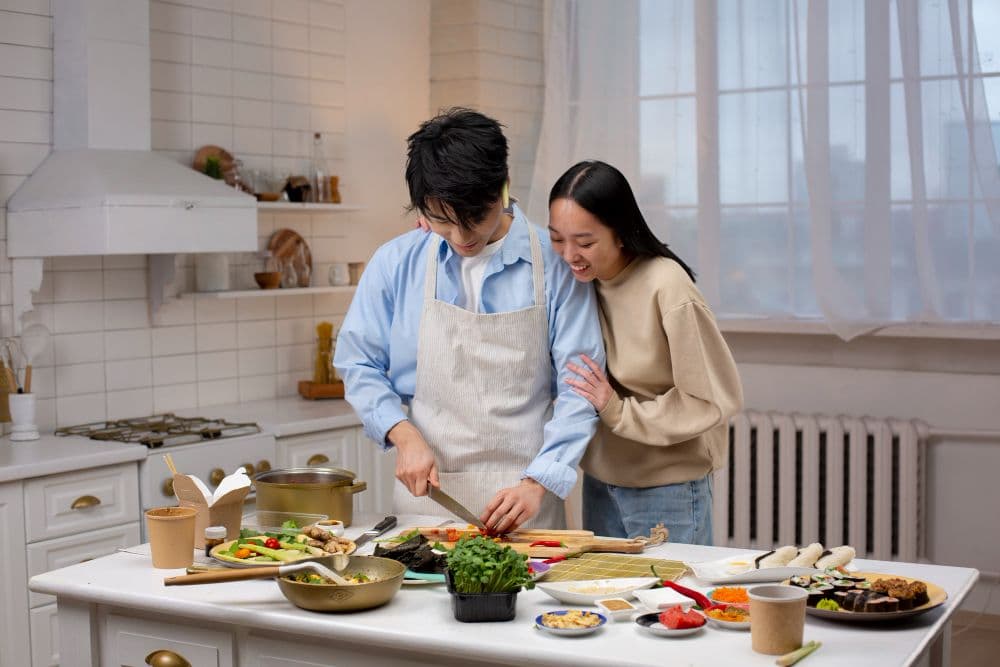
In addition to these check-ins, we also encourage you to schedule couples' time every day, every other day, or at least once a week. During this time, you may do whatever you both wish to. These can be movie nights, dinner dates, cooking together, slow dancing, or even spending time together in silence. All that matters is that you do it together.
For most people, one of the biggest takeaways from couples therapy would be communication tools.
The tools and strategies that you learn in therapy are only as effective as how much you practise them. When you face a conflict or a stressful situation, mindfully recall the tools your therapist taught you and remind your partner as well. Together, try your best to regularly use techniques such as time-outs, ‘I’ statements, active listening, and expressing appreciation.
Maintain a therapy tips journal where you note down all the practical tools you learn during sessions. Even short and straightforward notes can be invaluable later on for quick review and real-life practice.
As we saw in the previous section, follow-up sessions with your couples therapist are always an option. On the one hand, we have such regular check-in sessions where you review progress. On the other hand, it can sometimes be important to schedule a follow-up session when things seem to be going off track.
Here are some red flags to be wary of. If you spot these signs, take some time to slow down and work through them as a couple or book a follow-up couples therapy session:
It’s easy to forget your personal needs when working on mending your relationship. Remember to make time for yourself, honouring your need for personal space, time or enrichment.
Self-care doesn’t just look like expensive skincare or nighttime routines. It’s often the tiny things that bring you joy.
Here are some things you can try alone:
Couples therapy in Singapore is a research-backed way to improve relationships. However, long-term results are also dependent on your efforts to maintain progress, such as:
Setting shared couples goals post-therapy
Practising tools and strategies learnt in therapy
Communicating openly and honestly with each other
Intentionally spending time together as a couple
Scheduling regular check-ins to track progress
Knowing when to reach out to your couples therapist again
If you and your partner are looking to start couples therapy in Singapore, our couples Therapists can help you on this journey. 💜

Couples counselling offers several benefits, but you may be wondering how to maintain progress afterwards.
Make sure to set shared goals, schedule regular check-ins and apply the tools learnt in therapy. With consistent effort, you can deepen your bond as a couple!
We recommend following all the tips discussed in this blog to ensure maximum results. However, if we had to choose one, it’d be Tip 3: Continue Using the Tools You Learnt.
Therapeutic tools and techniques are highly effective, particularly in managing relationship conflicts. Take everything you learn in therapy into your everyday life and continue practising it – that’s the secret!
The success rate of relationship counselling in Singapore is as high as 75-90%. While therapy helps you get more than halfway there, it’s also important to continue to practise what you learnt in therapy in order to maintain progress over time.
When couples are actively involved in therapy, are honest, put in their best efforts, and continue to apply the learnings from therapy afterwards, marriage counselling in Singapore can be highly successful.
Improving relationships after couples therapy in Singapore is indeed a common struggle among couples.
One way to get back on track is to follow the tips mentioned in this blog can help you get back on track.
However, if you feel like you’re struggling a lot, you can consider scheduling a follow-up session with your couples therapist. Your therapist can help you pause, review what went wrong, and plan how to do it better next time.
Here are the top five therapy follow-up tips for couples to practise after couples therapy in Singapore:
If you are in crisis, or another person may be in danger, do not use this site. Please refer to these resources instead.


Mon - Fri (excluding public holidays)
9.30 AM - 6 PM (+08:00 GMT)
OUE Downtown 2, 6 Shenton Way, #12-11B, Singapore 068809
© 2026 Talk Your Heart Out Pte Ltd
Need Help? Chat with us