


Grief is one of the most complex emotions we feel as humans. It can vary in reasons and intensity, but loss of any kind can turn your life upside down.
It may feel like your life has come to a pause with the overwhelming amount of change and the whirlwind of emotions it brings, while the rest of the world seems to go on just the same.
Grief counselling in Singapore can help you navigate your feelings, understand and hold space for your grief and slowly build a new daily routine, at your own pace.
Our blog aims to be a guide that takes you through identifying when to get grief support and the common benefits of grief counselling in Singapore.
Here’s a gentle reminder for you before we get started: Choosing to seek help, especially after a loss, is an incredibly brave step, and we’re so glad that you’re considering it. 💜
Grief is often understood as something that follows the death of a loved one. While it’s one of the most intense and hardest types of grief to navigate, the following can also cause feelings of grief:
It could thus be said that grief often follows sudden and unexpected loss. However, in some situations, we may still grieve a loss that is expected.
No, not really. There’s no single answer to the question, “How long does grief last?”
Grief is a highly personal experience, and thus it’s not possible to say you should be experiencing certain feelings or feel better by a specific period of time.
The five-stage theory of grief is not considered universal. But many people do experience a mix of the following emotions when grieving:
It’s important to acknowledge that not everyone will go through all of these stages or in a particular order. There is no right or wrong way to grieve.
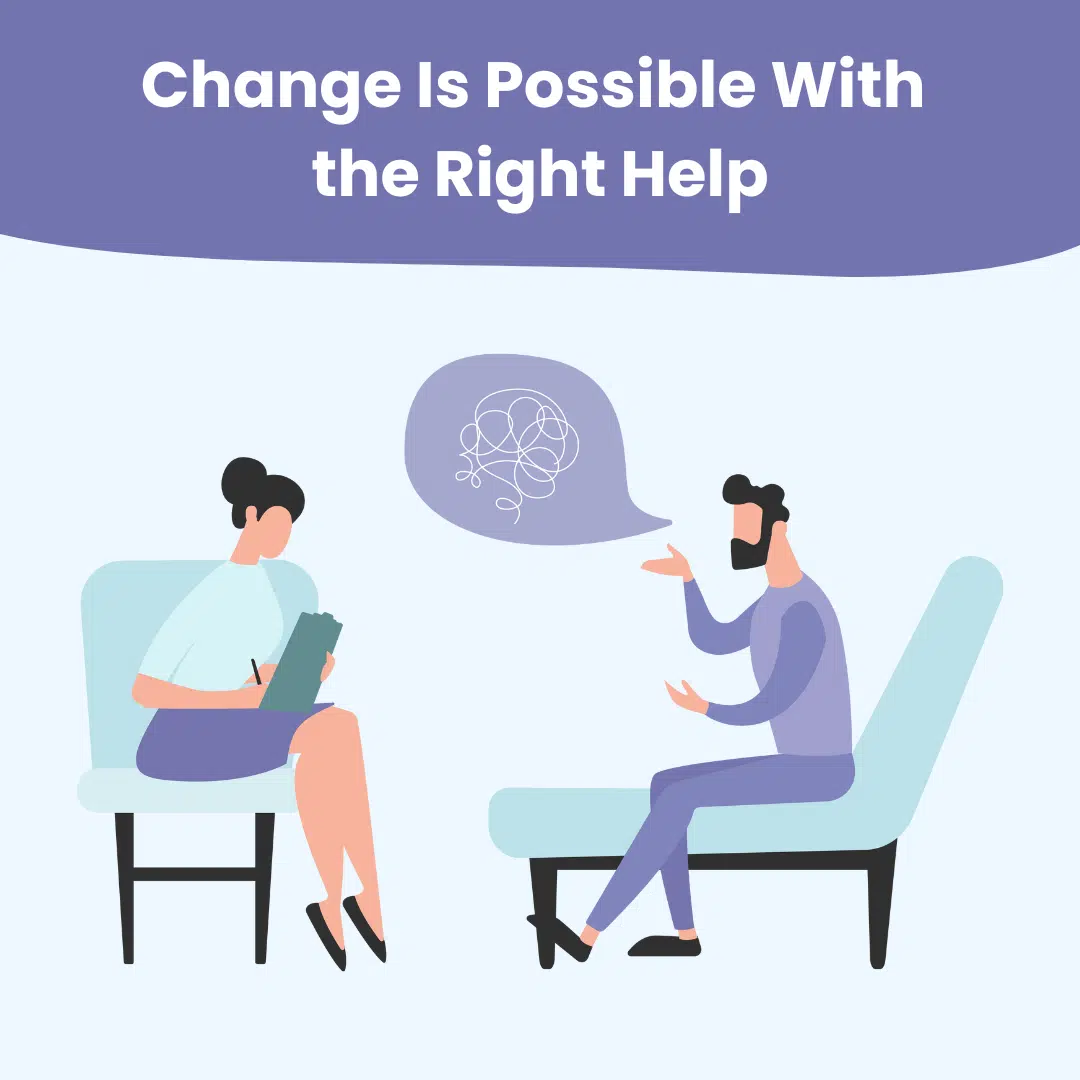
During the first session or even the first few sessions of grief counselling, your therapist will focus on getting to know you and establishing rapport.
You’ll only be asked to share your experience and emotions when you feel ready to do so. Your therapist may also work with you to set goals for therapy and understand what you wish to explore during sessions.
Grief comes with complex emotions like anger and guilt, and a flood of memories as well. Grief counselling in Singapore provides you with a safe and non-judgmental space to identify, understand and process your emotions.
Your therapist may use gentle therapeutic strategies, such as mindfulness-based grounding, guided breathing exercises, memory work, and the empty chair technique, during sessions.
When you feel ready, your therapist will help you choose and tailor healthy coping strategies. These can include:
Such tools help you slowly adjust to the ‘new normal’ while allowing yourself all the time and compassion you need.
As we already saw, grief doesn’t follow a timeline. Consequently, there’s no timeline for grief counselling either.
Some people may feel better after just a couple of sessions, while others may need long-term support. Your therapist will work with you to plan a therapy schedule that feels right to you.
Even after you reach your goals through regular sessions, you may wish to have regular check-in sessions every month or so, or book a one-off session when things feel too overwhelming.

There is no right or wrong time to seek grief counselling. While a majority of people benefit from starting therapy a little while after their loss, this is not a rule of thumb.
You may reach out to a grief counsellor whenever you feel the need for support, no matter how soon or late it is.
However, if you’ve been considering counselling for loss, here are six signs that show you may benefit from it:
It’s natural to feel extreme sadness or a range of emotions after a life-changing loss. But if the pain doesn’t ease with time or it seems to become harder to cope with, this may be a sign that extra support can be helpful.
During grief counselling, your therapist offers empathetic guidance to hold space for and process the overwhelming mix of feelings. If your grief is becoming more intense as the days go on, therapy can help you understand why this may be so and how to address the issue.
Especially during the early days of a loss, it can be a struggle to even get out of bed, concentrate at work or do basic tasks like cooking a meal or paying bills.
However, if these challenges persist over time (say more than a few months), grief counselling can help you regain balance in life at a pace that feels comfortable to you.
Avoidance is one of the ways our brains protect us from pain. What feels painful, we avoid.
But when it comes to emotions and grief in particular, it’s essential to let yourself feel, acknowledge, accept and process your experience. Constantly shutting down conversations or steering clear of reminders can provide momentary relief, but actually keep you from healing.
Grief counselling in Singapore can help you learn to hold space for your emotions and acknowledge the reality of your loss.
As we saw before, grief can stir up a range of emotions beyond sadness. You might feel guilty for what you did or didn’t say or do, or angry about the unfairness of the situation.
If these emotions feel constant and overwhelming to bear alone, grief counsellors can help you process them and find healthier ways to cope.
Grief doesn’t just show up as emotions. It also shows up in your body.
Here are some physical symptoms to be on the lookout for (especially if they don’t reduce with time):
While spending time alone and sitting with your emotions can help with healing, social support is also much needed. Try to note if you’re avoiding meeting up with friends, family or engaging in activities that used to bring you joy.
Grief counselling can help you slowly restart social time and get back into hobbies and activities that bring you happiness, peace and healing.

Grief is a deeply personal and individual experience, and the exact results and benefits may differ from person to person.
However, a controlled study found that 91% of individuals who engaged in grief counselling reported that it was helpful.
Here are some key benefits of engaging in therapy for grief:
Remember that there is no timeline for recovering from a loss.
In fact, it’s often said that there’s no ‘getting over’ grief. It’s a journey and one that becomes part of your story, one that you learn to live with.
You can’t forget what happened or move on from it. Rather, you learn to create a new normal at your own pace. And grief counselling in Singapore can help you with just that.
When you feel ready to reach out for help, our therapists are here to offer a safe space, professional support and an empathetic presence to guide you on this journey. Click the “Show all grief counsellors” button below to get started. 💜

If you are in crisis, or another person may be in danger, do not use this site. Please refer to these resources instead.






Mon - Fri (excluding public holidays)
9.30 AM - 6 PM (+08:00 GMT)
OUE Downtown 2, 6 Shenton Way, #12-11B, Singapore 068809
© 2026 Talk Your Heart Out Pte Ltd
Need Help? Chat with us