Having occasional anxiety due to a specific situation is part of regular life.
However, if you struggle daily, you can manage your anxiety symptoms through effective skills and long-term strategies.
Anxiety is our body’s response to fear and a way to urge us to safety. Hence, this feeling can be very useful in identifying danger or threat.
Most people may also use the term ‘anxiety syndrome’ to refer to stress, worry, overthinking, or nervousness.
However, there’s a clear difference between being anxious and having anxiety syndrome, the latter of which may include severe and crippling symptoms.
In this article, we explore the anxiety symptoms, how to deal with a syndrome, and anxiety therapy techniques.
TYHO provides in-person and online therapy in Singapore. Our platform connects clients to vetted and experienced Psychotherapists, Psychologists, and Counsellors in Singapore. We refer to all our mental health professionals collectively as "Therapists", given the overlap in their scopes of practice. A majority of our Therapists are members of recognised bodies such as the Singapore Association for Counselling (SAC) and the Singapore Psychological Society (SPS). If you'd like help with selecting someone suitable, WhatsApp us at +65 9831 0005 or email us at [email protected].

Anxiety is an emotion that may include feelings of worry, tension, stress, and physical changes like a pounding heart or high blood pressure.
Anxiety symptoms and fear are usually used interchangeably, although there are differences between them.
Anxiety is a future-oriented and chronic response that we may give to perceived threats, whereas fear is a present-oriented and appropriate response to specific and real threats.
An anxiety disorder is a type of psychological condition which may include anxiety symptoms such as dread, fear, and a pounding heart.
Physical symptoms of anxiety could include sweating, shaking, muscle pain, gastrointestinal issues, headaches, and so on.
An anxiety disorder usually occurs when:
It can be hard to live with anxiety symptoms. Fortunately, anxiety counselling in Singapore can provide effective therapeutic plans to teach you how to manage them.
The anxiety symptoms depend on the type of anxiety disorder. However, we have listed three anxiety signs that you can use as a guide to analyse if you struggle with anxiety.
The most common anxiety symptom is worrying excessively and without any control.
The worry may be completely disproportionate to the current situation. For example, a student who has already finished their exam and scored well may still worry about their performance in the next year’s exam.
The student might say, ‘What if I fail next year’s exam? What if I don’t know any answers?’ This thought is disproportionate as the student may be studying well and may even be a high scorer.
Excessive worrying is usually common in generalised anxiety disorder. A psychologist may diagnose someone with GAD if the psychological symptoms of anxiety last for at least 6 months and are uncontrollable.
Based on recent research, nearly 1.6% of Singaporeans struggle with generalised anxiety disorder.
Dissociation or derealisation is losing touch with reality and one’s current surroundings. Imagine looking at yourself from a third-person perspective; that could be similar to how dissociation feels.
Dissociation is an anxiety symptom where a person may be in a dissociative state and cannot identify themselves, their thoughts, memories, and sometimes, even their identity.
A person can be in a dissociative state during an anxiety attack or may relapse to the state once in a while, especially if they struggle with chronic anxiety.
When you are in a dissociative state, you may not remember the things that occurred during dissociation. This can last for a few minutes and up to multiple days and weeks, depending on the severity of your anxiety.
Mild symptoms of dissociation could include daydreaming, becoming immersed in a particular media, or struggling with highway hypnosis (ie zoning out during driving).
Severe symptoms of dissociation could include identity confusion, feeling like you are not real, memory issues, intense mood swings, memory lapses, and feeling as though the world is fake.
Fear is natural and, most of the time, even important. It is our brain’s way of telling us when we’re in danger physically or emotionally.
However, this fear may become irrational when it is disproportionate to the situation. Irrational fears are a common anxiety symptom.
For example, irrational fear may appear before an interview, during flight turbulence, or even after presenting a project.
The person may become terrified of the possibility of dying during the turbulence, failing an interview even after optimal preparation, and imagining getting fired due to a bad presentation.
If your anxiety symptoms are unmanageable with the tools above, you may want to consider other long-term anxiety management techniques.
If you are unsure how to find ways to calm anxiety, Singaporean counsellors can help you:
For example, counsellors may use cognitive behavioural therapy to help you learn different ways of thinking about and reacting to anxiety-prone situations.
Research also shows that CBT is an effective intervention to treat the mental symptoms of anxiety.
Although everyone is different, and not all your loved ones may understand your condition, building a safe community for yourself can help you in more than one way.
Socialising can reduce stress, encourage feelings of hope and joy, and decrease isolation and loneliness.
Even if your friends may not know how to handle the situation, having someone to talk to and seeking their support can be a huge help.
Research has also shown that being part of a community can help you become mentally resilient to symptoms of anxiety in the long run.
Many people with anxiety ssymptoms may struggle with their mornings, which usually tends to set the tone for the day.
For example, imagine the difference between waking up at noon and waking up at 9 or 10 a.m. At that time, you may have felt unmotivated and upset about your day.
However, with the latter, you may have enough time to take care of yourself and engage in self-care habits to start your day positively.
Morning routines can create a sense of normalcy and control. As you begin to follow the routine every day, you will gain a newfound sense of control over your emotions and habits.
However, it is important to remember that not every morning will be the same. Sometimes, we may just need to get that extra sleep or roll around in bed for a few hours.
Remember to take it easy. The primary goal is to engage in your routine as much as possible, even if it’s not 100%.
If your anxiety is sporadic and affecting your daily functioning and interpersonal relationships, some simple and quick coping methods can help you control the situation.
In this section, we share two easy skills that you can learn to recognise and manage anxiety signs.
When you begin to identify what triggers negative emotions, you can easily manage them.
Online psychologists in Singapore can help you with this step. However, we also share some tips you can adapt to identify triggers on your own.
Anxiety triggers can occur due to factors such as the following:
Everyone can have different triggers. To identify yours, write down your thoughts after you have an anxiety attack.
Reflect on what might have caused it. Write the location, people around you at that time, what you were doing, and any other aspects you can remember.
Reflection can help you identify specific factors that may have triggered your anxiety symptoms.
Learning how to breathe may seem simple, but it can play a huge role in overcoming anxiety symptoms.
When anxious, try breathing deeply from your stomach, not your chest. Deep breathing can help calm down your racing thoughts.
To check if you are breathing deeply, place your palm on your stomach and the other on your chest.
When you breathe in, your stomach should move more than your chest. This means you’re doing it right.
Another easy method is the 4-7-8 technique. Breathe slowly through for 4 seconds, hold your breath for 7 seconds, and slowly breathe through your mouth for 8 seconds.
Try to make these breathing exercises a part of your daily routine. Focusing on your breath helps keep you grounded in the present moment.
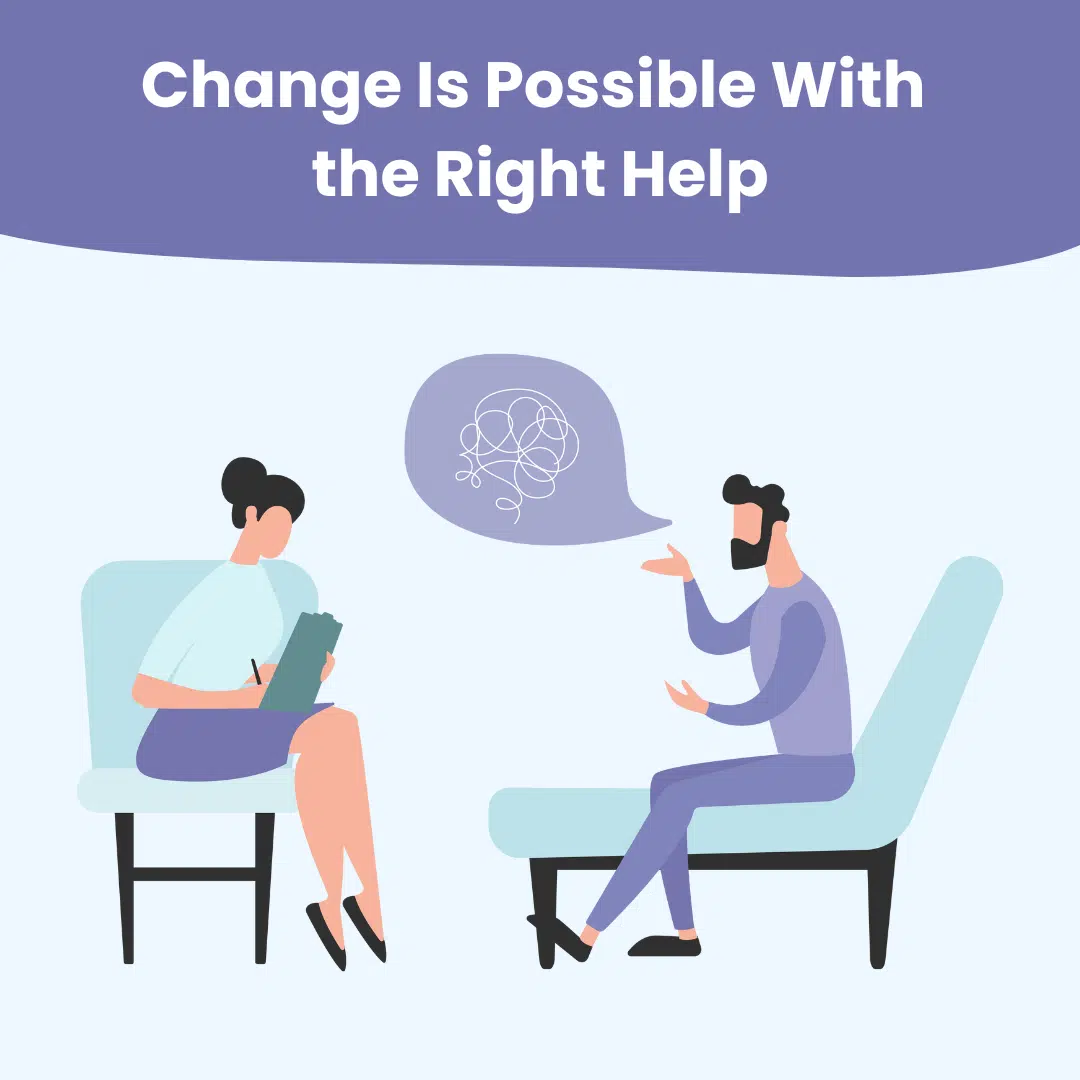
The two most common types of therapeutic approaches used to treat anxiety symptoms include cognitive behavioural therapy (CBT) and psychodynamic therapy.
CBT is a structured talk therapy that focuses on the connection between our thoughts, emotions, and actions.
Therapists believe that changing our negative thought patterns would also change our emotional and behavioural responses.
Hence, you may learn practical tools to identify and reframe your irrational beliefs and negative thoughts.
For example, cognitive restructuring is a CBT tool that can help you replace unhelpful, anxious thoughts with something productive.
Studies consistently show that CBT significantly reduces symptoms of anxiety. Moreover, the benefits of CBT are long-lasting and can even help long after therapy ends.
Psychodynamic therapy works on the idea that our unconscious processes influence our thoughts and behaviours.
By developing a strong therapeutic alliance (ie relationship with your Therapist), you may receive the support to manage anxiety effectively.
Psychodynamic therapy, while often misconceived as a lengthy process, offers both short-term and long-term interventions. Your Therapist may use a specific tool in psychodynamic therapy based on your anxiety symptoms and severity.
Research also shows that psychodynamic therapy shows positive results in treating and providing support for generalised anxiety disorder.
You can visit our Singaporean psychologists to find someone who can help you with anxiety disorders.
A few important factors can help you identify if you have an anxiety disorder or if you are feeling anxious about a specific and temporary problem.
These factors include:
Questions to help you reflect on whether you need professional therapy:
Overcoming anxiety begins with recognising it as a common issue that affects everyone differently.
Key steps to manage it include identifying what triggers your anxiety and practising deep breathing techniques.
Professional psychologists in Singapore can help you overcome the symptoms of anxiety through scientifically proven approaches. Cognitive behavioural therapy (CBT) and psychodynamic therapy are the two most common therapeutic approaches.
If you or someone you know is struggling with symptoms of anxiety, feel free to reach out to one of our expert counsellors!
If you are in crisis, or another person may be in danger, do not use this site. Please refer to these resources instead.


Mon - Fri (excluding public holidays)
9.30 AM - 6 PM (+08:00 GMT)
OUE Downtown 2, 6 Shenton Way, #12-11B, Singapore 068809
© 2026 Talk Your Heart Out Pte Ltd
Need Help? Chat with us