
Endless deadlines. A near-constant pressure to perform. A virtually non-existent work-life balance.
If you’re a working-age adult, odds are you’ve experienced at least one, if not all, of the above.
Millions of people in Singapore struggle with workplace mental health issues, but don’t know where to turn for help.
However, the good news is that an increasing number of employers are realising the importance of improving employee mental health through workplace mental health programs such as Employee Assistance Programs (EAPs).
In this blog, we take a deep look at why workplace mental health matters and explore common employee wellbeing and mental wellness programs in Singapore.
In the recent past, awareness about mental health has increased significantly, and the momentum is only on the rise. While we’ve become more vocal and accepting of mental health issues in our personal lives, there’s still one area of life where we vastly overlook them: the workplace.
Work isn’t just something that puts money in our pockets and food on our plates; it’s so much more. Research shows that we spend around one-third of our lives at work – it’s thus a significant part of our routine, identity and social life.
Just as an employee’s personal mental health issues can affect work, a toxic workplace can severely impact employee productivity and mental wellness.
That’s precisely why workplace mental health initiatives are, without a doubt, the need of the hour. They’re essential tools to foster healthier, more sustainable work environments that prioritise employee wellbeing.
Below is a quick list of reasons that showcase the increasing need for EAPs in Singapore and other mental wellness programs:

Workplace mental health issues don’t always result from major crises.
More often than not, they build up through everyday challenges that are easy to overlook.
Let’s look at some of the most common factors that affect employee wellbeing in Singapore and showcase the need for employee assistance programs:
Employee Assistance Programs (EAPs) are employer-sponsored services that aim to support employees' mental, emotional and psychological well-being. These programs offer safe, confidential, and accessible support for a range of mental health issues, be it personal or work-related.
Employee assistance programs and other proactive workplace mental health initiatives help foster trust, belonging and psychological safety at work.
Employee assistance programs typically provide various tools and services, such as mental health assessments, one-on-one counselling, support groups, workshops, etc.
At Talk Your Heart Out (TYHO), we help organisations improve employee mental health through the following EAP services:
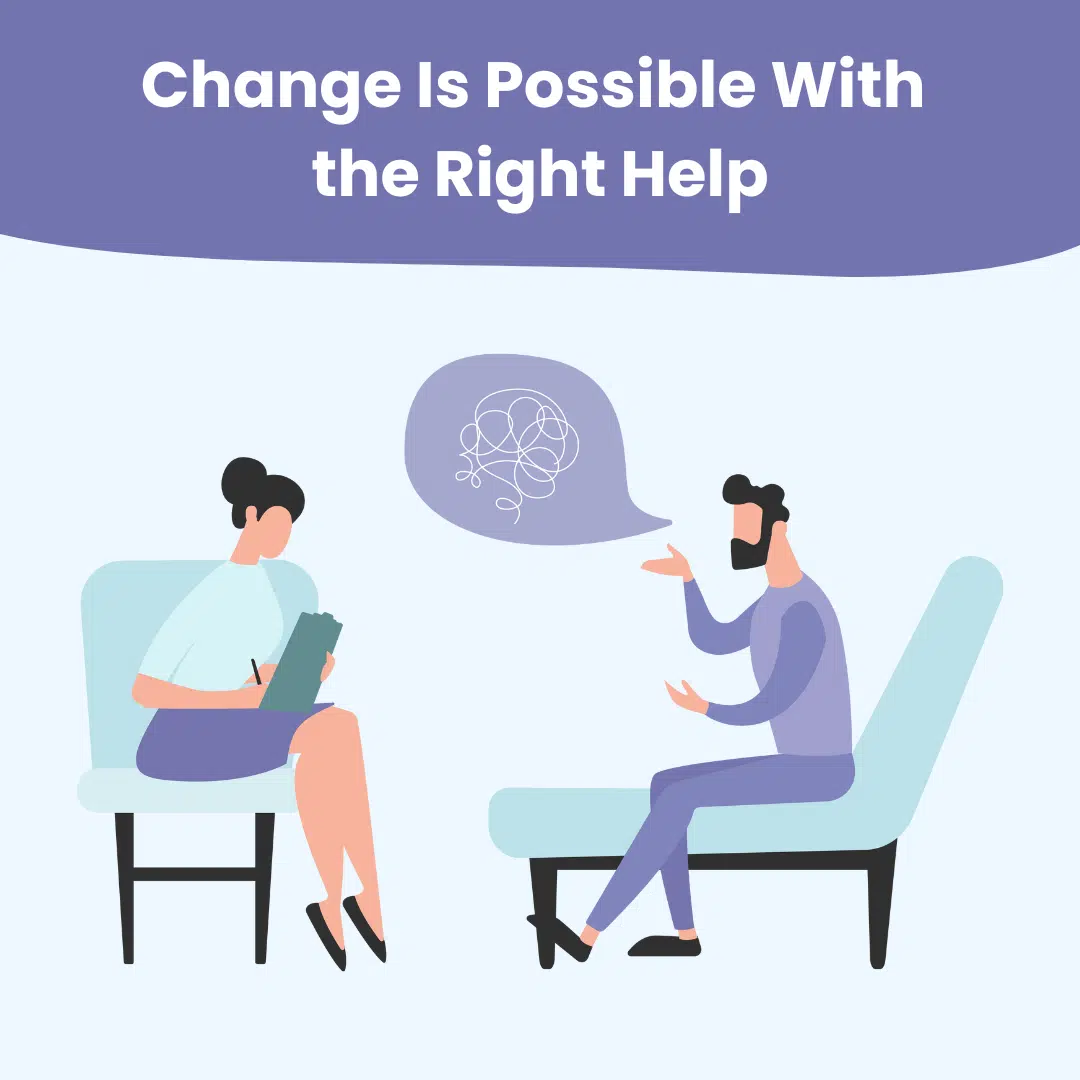
Structured one-on-one EAP counselling sessions with professional TYHO Therapists. Through talk therapy, employee assistance programs provide employees with a safe space to process mental health challenges, such as burnout, anxiety or personal issues.

EAP for employees also include small group discussions facilitated by a trained therapist. Empathy circles encourage open dialogue and foster trust, connection and a sense of community.
TYHO’s employee assistance programs also include interactive learning sessions covering topics such as stress management, workplace burnout, conflict management, impostor syndrome, and boundary setting. These seminars equip employees with practical tools to use in their everyday work life.
In-person mental health support at the workplace, including therapy sessions and crisis management sessions. Our employee assistance program includes on-site initiatives that provide much-needed support during high-stress periods and after major changes or workplace crises.
Skill-building sessions focusing on topics like psychological first-aid, effective communication, and managing setbacks. Spread over two days, these workshops include role-playing exercises and other interactive activities.
If you’re an organisation or employer looking to improve your employees’ mental well-being, you’ve come to the right place!
Here’s a quick but comprehensive look at the core features of our Employee Assistance Programs (EAPs) in Singapore and beyond:
At TYHO, we make it a point to have no lock-in contracts or administrative overhead fees for our corporate EAP services. All you have to pay for is what you use – whether that’s a set of therapy sessions, a wellness seminar or onsite support.
Online employee assistance program services are one of the most accessible forms of support you can provide your employees, especially those working remotely.
If you’re an employer based in Singapore, your employees can access same-day in-person therapy sessions at TYHO Therapy Rooms.
TYHO’s employee assistance programs allow you to access anonymised data on service usage, common challenges, and demographics. You can also download custom reports for internal discussions or management reviews.
At TYHO, we connect you with over 100 professional Therapists who speak multiple regional languages and offer a diverse range of mental health services. Our employee assistance programs ensure your employees get personalised mental health support at the workplace.
We make the EAP process as easy and accessible as possible for you! With a dedicated SPOC, your HR team doesn’t have to go through multiple channels to manage employee assistance programs. Experience quick query resolution and same-day support through WhatsApp and Email.
While employee assistance programs play a central role in improving employee mental health, they are most effective when paired with other ongoing initiatives that promote mental wellness and psychological safety as integral parts of your company culture.
Companies can consider adjusting their workload and job scopes, as well as revising policies and employee benefits, to enhance employee wellbeing. When employers acknowledge mental health issues, discuss them frankly and display empathy, they show employees that the organisation cares for them.
If EAPs are the foundation, then aspects like empathetic leadership and day-to-day work environment are the bricks that shape the monument of long-term mental wellness.
Below are some suggestions on how to improve employee well-being and foster a healthier work environment:
To effectively address employees’ well-being concerns, creating a workplace culture that fosters openness and vulnerability is of the utmost priority.
Employers have the power to bring about cultural changes within their companies. People in leadership positions should actively share their stories and show their human side by being open about their emotions. This allows employees to understand that they are not the only ones feeling the pressure and caught in the tide.
In 2011, Johnson & Johnson hosted its series of TEDxJNJ events, featuring company leaders who shared their experiences with mental health challenges. Many employees felt connected and subsequently used the channel to share their stories. The Mental Health Diplomats Employee Resource Group was also formed as a result.
It is thus visible that attention to mental health encourages more conversations around it, such that it is no longer a taboo topic. These exchanges of vulnerability, in turn, prompt employers to take more concrete actions to support employees’ well-being.
A huge part of optimising employee wellbeing is ensuring that employees get enough rest. Normalising short, uninterrupted breaks at work provides employees with an opportunity for a mental break and reset.
One way to do so is to encourage self-care habits at the workplace, be it a simple 10-minute coffee break or a walk outside in the sun during a midday slump. Encouraging such behaviour sends a clear signal to employees that their wellbeing is a priority for their employer.
At first glance, taking breaks during work hours may seem unprofessional and counterintuitive. Yet, is it in fact one of the best ways to improve productivity and ultimately benefit the organisation as well. Employees tend to feel rejuvenated and motivated to continue their tasks after taking a break from their desks for a while. Taking timely breaks also prevents them from feeling overwhelmed and reduces instances of a stress breakdown at work.
In a competitive and fast-paced corporate environment, constant productivity has become the norm. Such expectations take a toll on both the mental and physical wellbeing of employees in the long run.
Hence, when employees question work-related requests (eg a deadline, extra workload, urgent report, new work arrangements), employers can attempt to hear them out and consequently accept ‘no’ for an answer. Dismissing an employee’s objection invalidates their feelings and discourages them from voicing their opinions in the future.
Communication is key here. While it is up to employees to express their concerns, employers should practice sensitivity and listen intently when they speak up. Some employees may still choose to stay quiet even when they are struggling. It is therefore helpful for employers to periodically approach employees and ask how they are coping with their workload.
Ensuring that employees practice healthy habits and stay active is as important as supplementing mental health support. It can be challenging for employees to maintain healthy eating habits at work. They often skip meals, snack on unhealthy food, or eat at irregular hours when they are busy with work.
With remote working in place, one’s physical health is more easily overlooked as sedentary behaviour increases and movement decreases without the need to travel to work or move about in the office. The blurred boundaries between work and home life also result in a lack of clear space for one to unwind.
Offering employees a variety of online fitness classes during this period can help improve their physical fitness. Employers can also attempt to make allowances for flexible work hours instead of the typical nine-to-six.
These suggestions align closely with the workforce measures implemented during the COVID-19 pandemic, further demonstrating that work arrangements once considered resolute and permanent can indeed be adapted and changed.

A common misconception is that employee assistance programs and other mental wellness programs don’t have an effect proportionate to the investment.
In reality, that statement couldn’t be further from the truth.
When an organisation genuinely prioritises employee mental well-being, the results are not just significant; they are long-standing.
Prioritising workplace mental health creates a ripple effect across the organisation, ranging from personal benefits to employees to an overall increase in employee morale and productivity.
The following sections take you through some common benefits of EAPs for employees as well as employers:
Mental wellness in the workplace is the cornerstone of a thriving organisation.
Employee Assistance Programmes (EAPs) are one of the most widely used means of corporate mental health support in Singapore and beyond.
Employee assistance programs and other workplace mental wellness programs provide a wide range of benefits to both employees and employers.
It’s important to remember that workplace mental health initiatives benefit the organisation as a whole. The company shows that it cares, and in turn, the employees give back through increased productivity and loyalty. And in today’s corporate world of rushing to meetings and chasing deadlines, employee wellbeing is more relevant than ever.
If you’re an employer searching for the right employee assistance program in Singapore for your workers, book a demo with TYHO today!

If you are in crisis, or another person may be in danger, do not use this site. Please refer to these resources instead.


Mon - Fri (excluding public holidays)
9.30 AM - 6 PM (+08:00 GMT)
OUE Downtown 2, 6 Shenton Way, #12-11B, Singapore 068809
© 2026 Talk Your Heart Out Pte Ltd
Need Help? Chat with us