
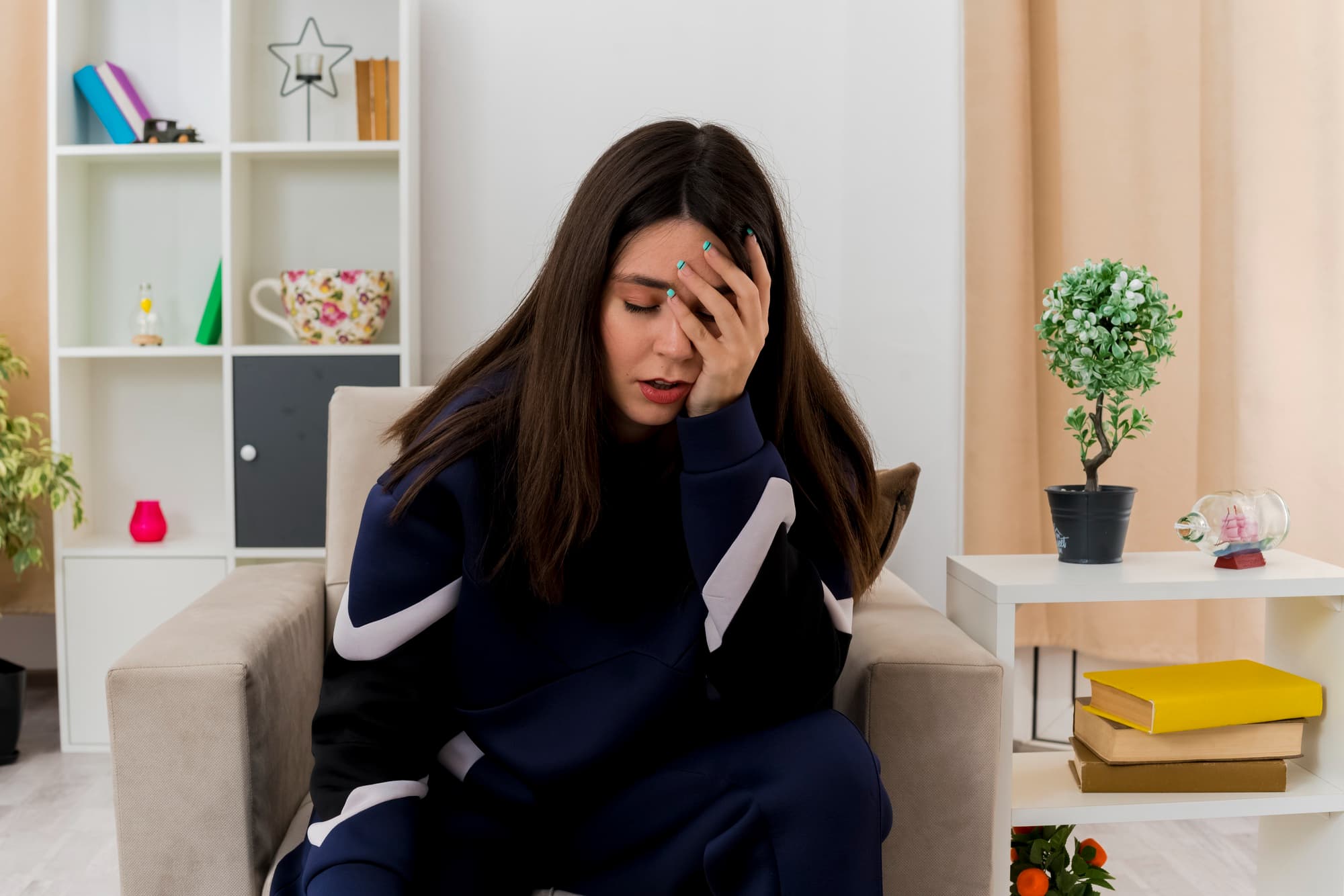
Are you struggling to get out of bed? Does processing your emotions and thoughts feel too hard? If yes, these are signs that could indicate depression or distress.
Depression is a common mental health disorder, but it’s still hard to notice when the symptoms worsen.
People may experience depression in many different ways. While some struggle to control their mood swings, others may have difficulties in their relationships or work.
It’s important to address the symptoms during the early stages. Imagine staining your shirt and leaving it to wash later. The more you ignore the stain, the harder it might be to eliminate it.
Mental health issues are similar to the above example in many ways. Hence, in this article, we’re exploring the symptoms of depression and how seeking depression therapy in Singapore can be helpful.
TYHO provides in-person and online therapy in Singapore. Our platform connects clients to vetted and experienced Psychotherapists, Counsellors, and Psychologists in Singapore. We refer to all our mental health professionals collectively as "Therapists", given the overlap in their scopes of practice. A majority of our Therapists are members of recognised bodies such as the Singapore Association for Counselling (SAC) and the Singapore Psychological Society (SPS). If you'd like help with selecting someone suitable, WhatsApp us at +65 9831 0005 or email us at [email protected].

The symptoms of depression can be emotional, psychological, physical, or social. It can also co-exist with other issues like grief or work stress. In fact, living with daily stressors may even cause depression.
The reason that it’s hard to notice the signs of this condition is that it happens slowly and over the course of a long time.
For example, working in a toxic environment for several years can add pressure every single day. You might feel a breaking point one day and hope to get it checked. In other cases, an immediate situation like the loss of a loved one could also cause depressive symptoms.
Hence, it’s important to be aware of the different kinds of manifestations of mood disorders. This knowledge can come in handy to identify the signs at the right time.
The emotional or psychological symptoms of depression are:

The physical symptoms of depression may include:
Social symptoms are related to interpersonal dynamics with other people in your life. These include:
There is no universal cause of depression. As explored in the previous sections, depression can be caused by a lot of factors, including but not limited to:
A combination of the above factors may also cause depression. This is also known as the ‘downward spiral’ – a series of events or situations that may lead to depression. For example, a person experiencing work stress may have depressive symptoms. In addition, they may have conflicts with their mom or at home, which could further trigger the symptoms.
Depression therapy in Singapore is a great way to manage your depression symptoms. TYHO Therapists are trained in several approaches to help you:
Many different types of therapy are used to understand and treat depression. Let’s look at some of the common ones below.
Talking therapies usually involve a one-to-one structured conversation with a well-qualified therapist.
Some of the common types of talk therapies used in depression therapy include:
Attending 6-12 sessions is usually recommended to benefit from positive therapy outcomes.
Therapists may either use a specific or eclectic (ie combination) approach. Having an open conversation with the professional is important to decide which approach works best for you.
At TYHO, we have an expert pool of Therapists in Singapore who can help you with a wide range of issues, including depression.

Some people may have physical symptoms of depression. For them, seeking only therapy may not be as helpful.
In such cases, you can talk to your Therapist or psychologist about medications. If you’re hesitant to start medications, here are some questions you can ask the professional:
Your Therapist may brainstorm with you to decide on the best approach. If you decide that you need medications, your Therapist may refer you to a psychiatrist.
Psychiatrists are medical doctors who are qualified to prescribe medications. Based on your symptoms, you may be started on antidepressants.
Remember that the treatment plan is under your control. No professional will force you to choose a particular method over another. Hence, you can try talk therapy for a couple of weeks before deciding on the next steps.
If you are confident to start medications, ensure to ask questions to both your Therapist and psychiatrist to gain the best understanding of your treatment plan.
A combination of counselling and medications is usually the most recommended approach to achieving positive outcomes.
Below are some combinations you can expect to try:
The choice may depend on many factors, such as:
Alternative treatments are also used to manage the signs of depression. While these techniques are not the primary intervention, they can help speed the process of recovery.
Depression can affect anyone. It’s hard to function at your best when you feel low and hopeless about life.
However, the good news is that depression can be managed and successfully reduced.
If you notice any emotional, physical, or social signs of depression, talking to a Therapist might be helpful.
Remember that a lot of factors can cause depression. Try to think if you’ve experienced significant changes in your life or if some underlying issues trigger your symptoms.
Approaches like psychodynamic psychotherapy may also help you identify the root cause of the symptoms.
Professional support, like talking therapies, medications, or a combination of both, can positively change your life.
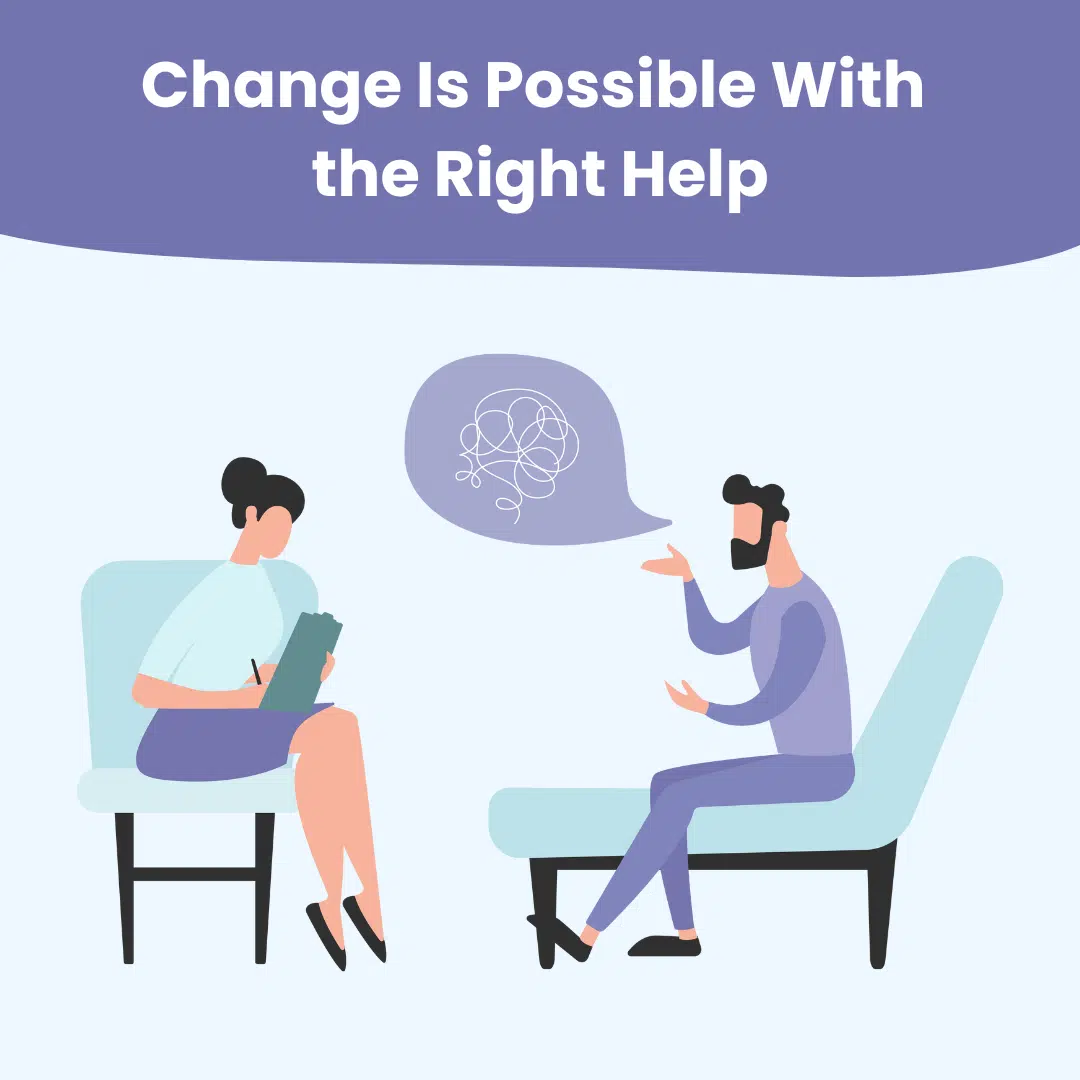
You are not alone in the journey. If you are ready to talk to a qualified therapist click the link below.
If you are in crisis, or another person may be in danger, do not use this site. Please refer to these resources instead.





Mon - Fri (excluding public holidays)
9.30 AM - 6 PM (+08:00 GMT)
OUE Downtown 2, 6 Shenton Way, #12-11B, Singapore 068809
© 2026 Talk Your Heart Out Pte Ltd
Need Help? Chat with us