
Are you wondering ‘What is reverse psychology?’ Here’s a quick example to help you understand this fascinating concept.
Have you ever told someone not to do something, only to secretly hope they would do exactly that?
Or maybe you’ve been on the receiving end of it. Someone says, ‘You probably wouldn’t enjoy this anyway,’ and suddenly, you feel more curious than ever!
This is often what people refer to as reverse psychology.
It’s fascinating how our minds are wired to work in reverse like that. At the same time, it can also feel confusing, frustrating, and even manipulative when used intentionally in certain circumstances.
If you’ve been wondering what reverse psychology is, how it works, whether it is actually helpful in everyday life, and how ethically okay it is to engage with, this article will walk you through all of that and more.
Lastly, we also talk about how psychologists in Singapore can help you move towards healthier communication patterns.
Introduction to TYHO
TYHO provides in-person and online therapy in Singapore. Our platform connects clients to vetted and experienced Psychotherapists, Psychologists, and Counsellors in Singapore. We refer to all our mental health professionals collectively as "Therapists", given the overlap in their scopes of practice. A majority of our Therapists are members of recognised bodies such as the Singapore Association for Counselling (SAC) and the Singapore Psychological Society (SPS). If you'd like help with selecting someone suitable, WhatsApp us at +65 9831 0005 or email us at [email protected].

What Is Reverse Psychology? Simple Definition
Reverse psychology is a communication approach (often used as a persuasion tactic) where someone says the opposite of what they actually want, hoping that the other person will do what they intended.
In simple terms, instead of directly asking for something, the person suggests the opposite in order to influence the outcome.
For instance, instead of saying, ‘Please clean your room,’ a mother might say to her teenager, ‘You probably won’t clean your room anyway.’ The hope is that this triggers a reaction that leads to the desired behaviour ie, the teenager ends up cleaning their room.
While it may seem playful and harmless in some situations, it can also feel confusing and manipulative depending on how and why it is used.
If you are someone you know wishes to improve interpersonal communication, talking to psychologists and counsellors can be quite helpful.
The Psychological Principle Behind Reverse Psychology
At its core, reverse psychology is linked to how we respond to feeling controlled and being told what to do by others.
As humans, we greatly value having a sense of choice. When we feel like that choice is being limited by someone else, even subtly, we may feel an urge to do the opposite of what they’re saying.
This response is not necessarily intentional. It can happen automatically, it often does, especially with people and in situations where we want to feel independent and in control of our decisions.

How Does Reverse Psychology Work?
Below are some theories and underlying factors that may be behind why reverse psychology works the way it does.
Reactance Theory Explained
As we saw earlier, whenever we feel like our freedom to choose is being limited, we may feel a sense of resistance.
This is known as psychological reactance. It can show up as:
- Wanting to do the opposite of what is being suggested
- Feeling irritated when being told what to do by someone else
- Becoming more motivated to prove a point by doing the opposite
Thus, psychological reactance is one of the reasons why reverse psychology works.
Desire for Autonomy and Control
Most people prefer to feel like they are making their own decisions.
When someone tells us not to do something, it can sometimes create a very strong desire to do it, just to maintain a sense of control.
This is why reverse psychology often works better in situations where independence matters to the person. A common example is when dealing with one’s parents, especially when they tend to cross boundaries and offer unsolicited advice.
Oppositional Behaviour Patterns
Some people are more likely to resist instructions and expectations by nature.
Common examples include:
- Children and teenagers setting boundaries with parents
- Individuals who value independence very strongly
- Situations where someone feels pressured or criticised (eg, a toxic workplace)
In such cases, reverse psychology can influence how someone behaves.
Common Examples of Reverse Psychology
Reverse psychology can show up in different areas of life. Sometimes it happens unintentionally, while in other cases, it may be used more intentionally.
Reverse Psychology in Relationships
In relationships, reverse psychology may happen in subtle, often unintentional ways.
For example, instead of directly expressing a need, someone might say, ‘It’s fine, you don’t have to spend time with me,’ even when they actually want the opposite.
While this may lead to the desired response at times, it can also create misunderstandings. Over time, indirect communication can make it harder to build a healthy relationship.
Reverse Psychology in Parenting
Parents may sometimes use reverse psychology to encourage children to do certain tasks that they want (and that the children tend not to do when asked directly).
For instance, saying, ‘I don’t think you can finish your homework this quickly,’ might motivate a child to prove otherwise.
While this can work in the short term, relying on it too often may affect the child’s self-esteem and lead to a critical inner voice over time.
Reverse Psychology in Marketing and Sales
You may have seen reverse psychology in advertising many times without realising it!
Examples include phrases like:
- Don’t buy this smartphone
- Don’t open until Christmas
- This product is not for everyone
- Don’t open this message!
Using reverse psychology to market products can create curiosity and a sense of exclusivity. This can make people more interested in it and more likely to buy or engage with it.

Is Reverse Psychology Manipulative or Harmful? Exploring the Ethical Concerns
Reverse psychology sits in an ethically grey area. In some situations, it may feel harmless and even playful. In others, it may come across as manipulative.
The difference often lies in intent and impact. When someone uses reverse psychology to gently motivate or encourage, it may not feel harmful. However, when it is used to control, guilt-trip, and influence someone without their awareness, it can definitely be manipulative and harmful.
In some cases, frequent use may lead to attachments such as anxious attachment and trauma bonding.
Here are a few things to keep in mind:
- Use it sparingly, especially in close relationships
- Be mindful of the other person’s feelings and boundaries
- Avoid using it in situations that require trust and honesty
- Consider whether direct communication might work better (which is almost always the case)
Remember, being clear and honest about your needs always leads to healthier conversations and healthier relationships!
For couples looking to improve their communication patterns, couples counselling is the ideal choice of professional support.
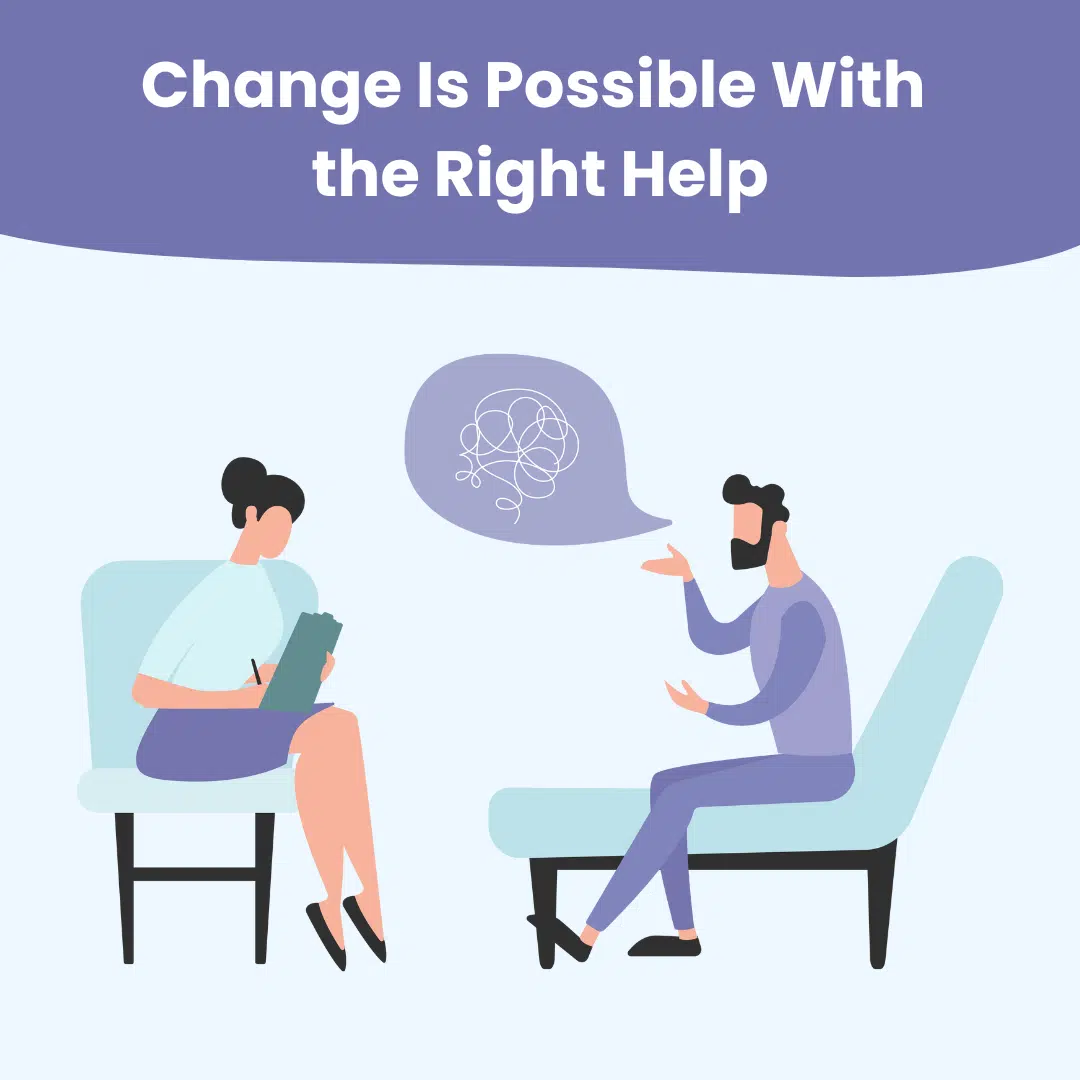
How Psychologists Can Help Improve Communication Patterns
At times, patterns like indirect communication and using reverse psychology may be due to deep-seated issues, such as fear of rejection and difficulty expressing needs.
Talking to a Singapore psychologist can help you explore these patterns in a safe and supportive space.
Through counselling, you can begin to understand why certain communication styles show up and how they affect your relationships. This awareness can make it easier to express your needs moredirectly and confidently.
TYHO psychologists can also support you in recognising when communication patterns used by others in your relationships feel manipulative, and how to respond and set healthier boundaries for yourself.
Also Read: Difference Between a Therapist and a Psychologist in Singapore
Key Takeaways
Reverse psychology involves suggesting the opposite of the behaviour or action you want someone to take
It often works by triggering a natural response to protect personal choice and autonomy
While it can be effective in some situations, the results are not always predictable, and it can seem manipulative
Frequent use in relationships may lead to misunderstandings and loss of trust
Clear and direct communication is always more helpful in the long run
Psychologists can support you in building healthier and more open communication patterns
To get started with TYHO psychologists in Singapore, click the “Show all psychologists” button below.💜