
One-third of young adults in Singapore are facing symptoms of anxiety or stress.
If you are struggling with the same, know that you are not alone.
For many mental health issues, the best therapy for anxiety can address the root causes of your fears.
In fact, most of us know how stress feels. Deadlines at work, marriage pressure from family, personal struggles with maintaining friendships – the list goes on.
But experiencing these feelings is like carrying a boulder on your shoulders. It’s heavy, you can’t breathe, and you’re exhausted.
But imagine someone helping you carry that boulder. Or better yet, imagine the weight being lifted completely. That’s what therapy in Singapore can feel like.
In this article, we’ll shed light on the best therapy for anxiety, as well as online therapy for anxiety, and share simple self-care techniques you can practise on your own too.
TYHO provides in-person and online therapy in Singapore. Our platform connects clients to vetted and experienced Psychotherapists, Psychologists, and Counsellors in Singapore. We refer to all our mental health professionals collectively as "Therapists", given the overlap in their scopes of practice. A majority of our Therapists are members of recognised bodies such as the Singapore Association for Counselling (SAC) and the Singapore Psychological Society (SPS). If you'd like help with selecting someone suitable, WhatsApp us at +65 9831 0005 or email us at [email protected].

A common goal of therapy is to focus on finding the possible causes of anxiety (eg negative childhood experiences), identifying triggers, and teaching practical tools to manage or even prevent the symptoms from occurring.
You can opt for individual, couples, or family therapy - all of these are effective therapies for anxiety.
Generally, Singapore Therapists employ a combination of various approaches. The types of therapy for anxiety may also depend on your personal preference and the severity of your symptoms.
In the section below, we’ll explore the top therapies for anxiety.
Cognitive behavioural therapy for anxiety involves directly confronting your fear and has benefits that go beyond just treating anxiety.
For example, symptoms of depression may also accompany issues like anxiety disorder, which CBT can help manage. Therapists in Singapore will help you change negative thought patterns by:
A common negative thought we may experience if we have anxiety is ‘catastrophising’: immediately jumping to extreme conclusions and expecting unrealistic consequences of all events.
A therapist’s job would be to help you detect these distortions and teach you a better way to cope with distress.
Some CBT tools include:
It’s only natural that we tend to avoid facing anxiety, as it can be an unpleasant emotion.
For example, if you fear heights, you may avoid looking down from a building or go out of your way to avoid travelling on a flight.
The problem that accompanies avoidance is that you may not have a chance to overcome your fears.
One of the best therapy for anxiety is exposure. During therapy sessions for anxiety, you may be gradually exposed to fearful situations or objects. Your therapist may guide you through repeated exposures to help you gain a sense of control over your anxiety.
The most common way to conduct exposure therapy is through systematic desensitisation. The three steps involved in this process are:
DBT is a type of talk therapy based on cognitive behavioural therapy.
DBT is also the best therapy for anxiety as it focuses on three main elements: dialectical perspective (ie opposite outlook of what you should be having), acceptance, and change.
The concept of DBT is similar to the notion of loving yourself as you are while still trying to change aspects of your life for the better.
The four skills you may learn during DBT include:
One of the best therapy for anxiety and stress is mindfulness-based stress reduction therapy (MBSR).
MBSR is an approach that combines mindfulness exercises with positive thinking. Some techniques include meditation, body scans, affirmations, mindful movement and intention-setting (ie setting intentions for the day/week).
Unlike common belief, MBSR is one of the evidence-based therapies that help with stress reduction.
The two main components of MBSR are:
Core principles of mindfulness that therapists in Singapore may emphasise include:
The benefits of therapy for anxiety and stress are countless. However, you may need to learn simple self-care tools to cope with daily stress.
Here are three stress therapy options you can try independently:
Are you someone who might love the idea of opening up from your bed full of comfort blankets and cushions? Then, online therapy could be the best therapy for anxiety for you. In fact, you can even prepare your home for the best environment to gain the maximum benefits of online sessions.
Online therapy for anxiety may be a good fit for you if you:

We’ve established that seeking help online could be the best therapy for anxiety. But now what? How do we make it work for you?
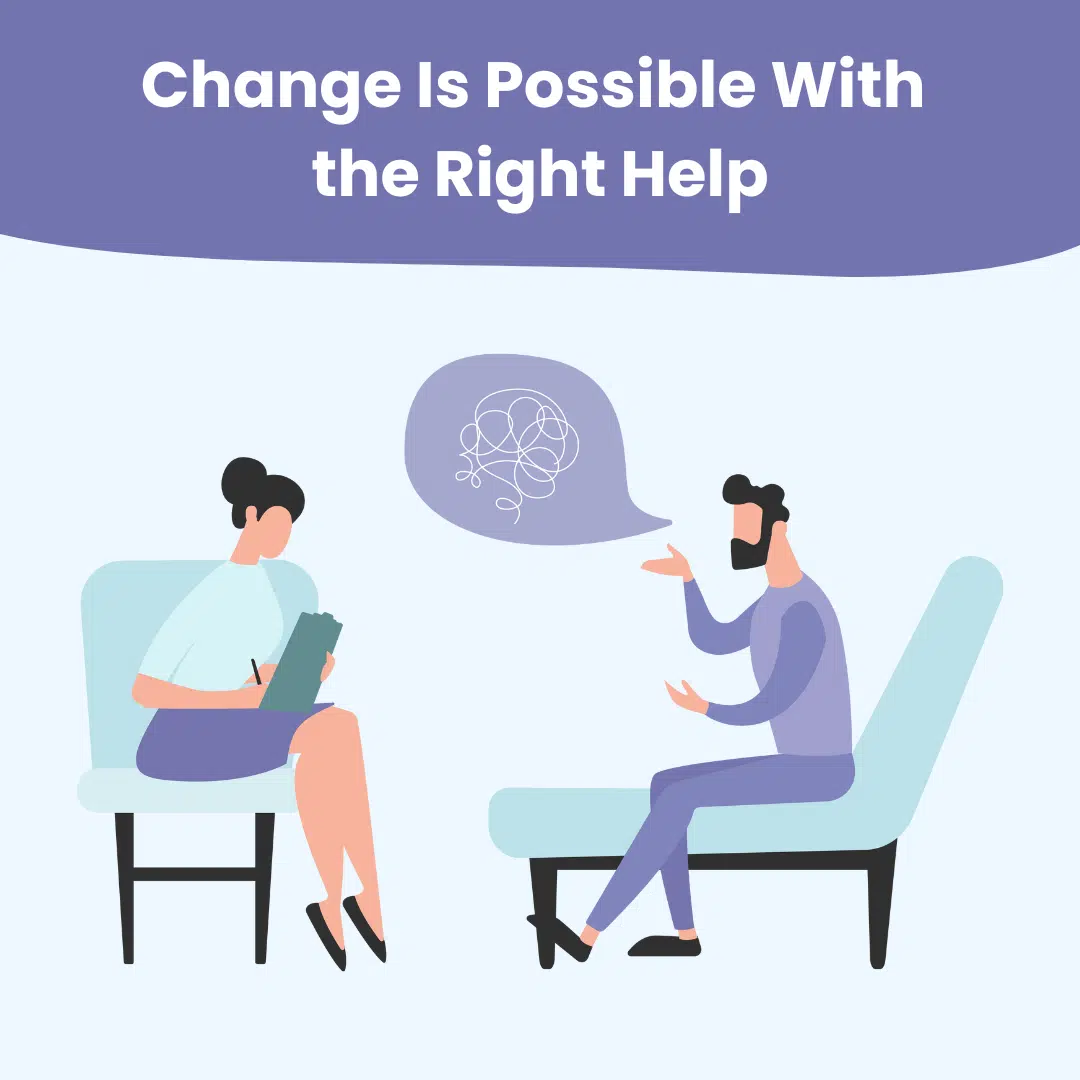
Overcoming anxiety takes time, consistency, and intentional effort. However, with the right support, change is possible.
The important thing is to pick an effective therapy for anxiety, proactively work with your online therapists, and implement your learning in real life.
In addition to how therapy works for anxiety, there are some things you can do concurrently.
You may have to do your personal research and assessments to find the best therapists.
During the research, gauge whether a therapist’s personality and therapy experience align with your needs.
For example, at Talk Your Heart Out (TYHO), you can read full descriptions of Therapists, watch their introductory videos, see what approaches they offer, and check if they can help with your issue.
Once you are sure, shortlist a couple of Therapists and book therapy sessions for anxiety with the one you relate to the most.
During the first appointment, ask your Therapist if they:
Asking questions will help you consider whether to move forward with a professional. If the fit isn’t right, feel free to look for other Therapists from your shortlist.
Sometimes, finding the best Therapist can take a while. Still, it may be the most contributing factor towards receiving strong and meaningful support.
If you live with an anxiety disorder, you may not have peace of mind and the energy to get through every day.
Seeking the best therapy for anxiety can help you better manage it.
Based on the specific type of anxiety, your therapist will help you overcome symptoms and guide you towards the life you dream of living.
Know that anxiety is manageable and can be controlled through the right support.
If you are in crisis, or another person may be in danger, do not use this site. Please refer to these resources instead.


Mon - Fri (excluding public holidays)
9.30 AM - 6 PM (+08:00 GMT)
OUE Downtown 2, 6 Shenton Way, #12-11B, Singapore 068809
© 2026 Talk Your Heart Out Pte Ltd
Need Help? Chat with us