

Every relationship is different, but most share common traits, such as communication, decision-making, and emotional labour.
When one person tends to take on the lead, they could be the dominant one in a relationship.
However, dominance is quite often misunderstood. Being dominant is usually associated with control, aggression or inequality. In healthy relationships, a dom-sub dynamic (ie dominant and submissive) indicates healthy communication, mutual growth, and explicit consent.
Learning the difference between healthy and unhealthy traits of dominance can help you build a stronger bond with your partner.
Which is why we’ve created this guide to explore what dominance really means, how to recognise harmful patterns, and how couples counselling can help you build a healthy power dynamic.
TYHO provides in-person and online therapy in Singapore. Our platform connects clients to vetted and experienced Psychotherapists, Psychologists, and Counsellors in Singapore. We refer to all our mental health professionals collectively as "Therapists", given the overlap in their scopes of practice. A majority of our Therapists are members of recognised bodies such as the Singapore Association for Counselling (SAC) and the Singapore Psychological Society (SPS). If you'd like help with selecting someone suitable, WhatsApp us at +65 9831 0005 or email us at [email protected].

Being dominant in a relationship generally refers to a partner who:
Healthy dominance is about how partners organise and take on roles that they find comfortable. The roles could depend on multiple factors such as personality, interest, experience, or lifestyle.
Research shows that couples naturally develop roles influenced by temperament, attachment style, and communication habits.
These roles can shift over time depending on stress, life stages, or personal growth. The shift in relationship roles can also be explored in depth during therapy sessions in Singapore.

A submissive vs dominant relationship dynamic exists when partners consciously or unconsciously adopt complementary roles.
One partner may prefer to lead conversations or plan, while the other feels comfortable responding or supporting.
For example, are you the type of person who usually takes charge of making travel plans? If you’re in charge, you have everything, from finance to itinerary, sorted out, and anyone who accompanies you goes along with your ideas. If that’s the case, you may be the dominant one in a relationship.
Healthy dom-sub dynamics have three characteristics:
A dominant personality in relationships often includes traits such as:

The difference between healthy dominance in relationships and abuse lies in intention, behaviour, and outcomes.
Healthy dominance in a relationship has space for safety and transparency. Unhealthy dominance creates fear or dependency. Let’s explore what healthy dominance in relationships looks like and the signs of a controlling partner.
Open communication allows both partners to express their needs without fear of judgment or consequences. Dominant partners listen actively rather than assuming they always know best.
Tip for practising healthy communication: Schedule weekly check-ins in which each partner shares their thought on something they love and something they feel uncomfortable with in the dynamic.
Healthy dominance involves respecting personal limits and boundaries.
Below are some questions you can ask yourself to gauge if you practice healthy boundaries in the relationship:
If you notice a pattern where:
…it may point to an imbalance in the relationship. Talking to a Therapist about boundary-setting in relationships can be a good start toward breaking unhelpful patterns.
Consent involves emotional, mental, and physical intimacy. Even Lifestyle decisions also require agreement.
Consent should be:
Building trust with a dominant person in a relationship is important. Trust is built slowly and strengthens over time. Hence, to truly trust someone, you may have to have several uncomfortable conversations, set boundaries, and engage in open and honest discussion.
Trust could be broken if the dominant partner invades the privacy and independence of a submissive partner or vice versa.
Invading a partner’s privacy could look like:
Healthy dominance involves accountability. When one partner makes a mistake, it is usually acknowledged and worked on in a safe space.
Try this practice: Replace blame statements (eg ‘It’s all your fault’) with ownership language, such as ‘I handled that poorly. How can I fix this?’
When dominance focuses on control and manipulation, it may indicate signs of abuse, also known as intimate partner violence (IPV).
According to the World Health Organisation, IPV includes behaviours that cause physical, psychological, or emotional harm within relationships.
Let’s look into some of the common signs of IPV:
A partner discourages friendships, criticises family relationships, or creates guilt around socialising.
An abuser engages in frequent insults, humiliation, sarcasm or shouting to intimidate or hurt their partner.

Below are some statements that an abusive person may use to emotionally blackmail their partner:
‘If you loved me, you would…’
‘You’re the reason I behave this way.’
Gaslighting involves denying a partner’s emotions or memories to make someone doubt their own perception. Over time, a partner's gaslighting reduces trust and confidence in the relationship.
Couples counselling in Singapore provides a safe, professional, and non-judgemental space to:
Therapy reframes disagreements as collaboration. Partners practise negotiation skills that allow both voices equal weight.
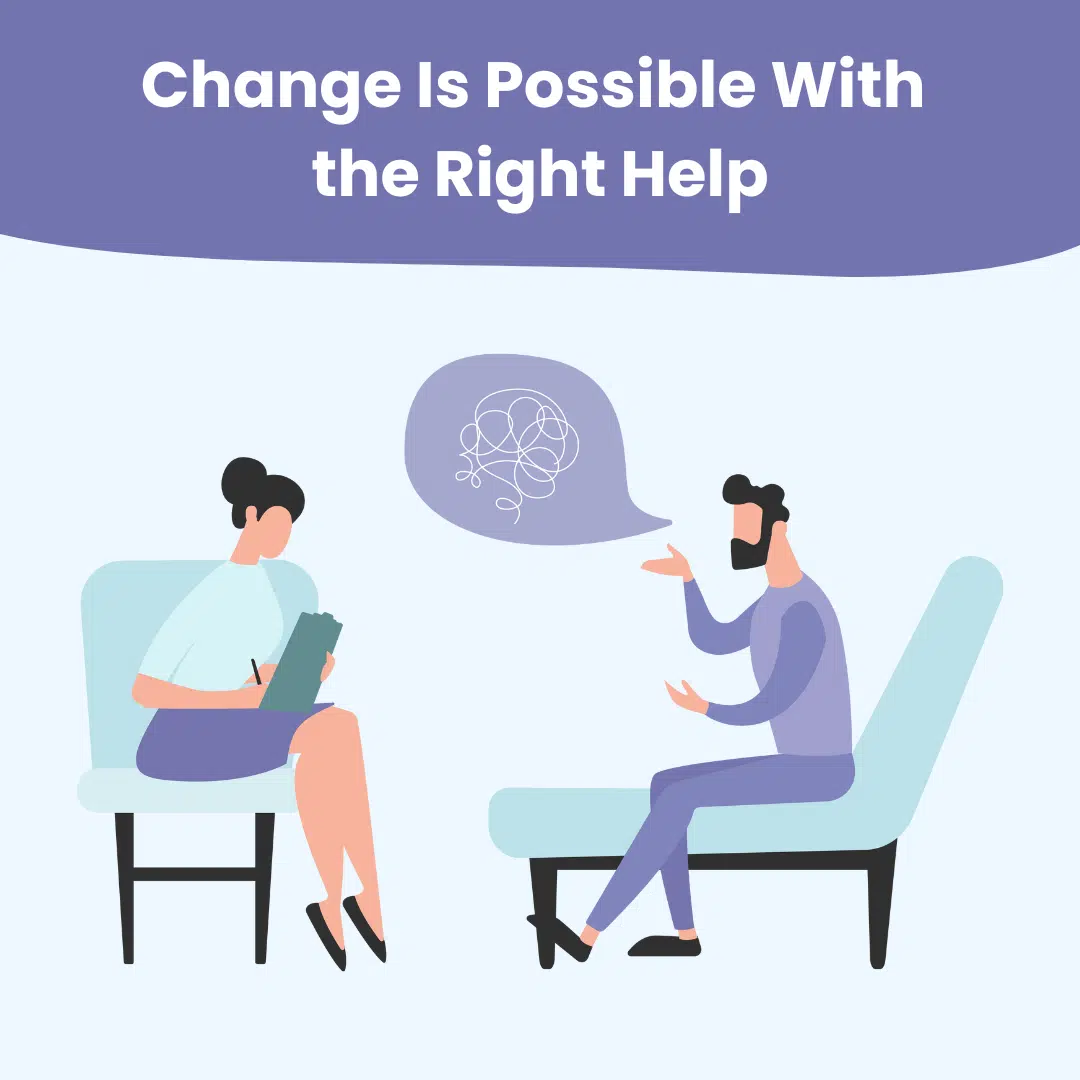
If your partner is unwilling or unable to join a couples session, you may also wish to consider speaking to an individual Therapist.
Therapists at TYHO can help you navigate, understand and solve relationship issues.
Being dominant in a relationship can be healthy or unhealthy
Healthy dominance relies on communication, consent, and trust
Control, fear, and isolation usually indicate signs of unhealthy power dynamics
Power roles should remain flexible and mutually agreed upon
Couples counselling can help partners understand and build healthier relationship dynamics
Ultimately, strong relationships are not defined by who leads, but by how safely both partners can exist as themselves.
When dominance is built on consent, it becomes a way for partners to support and strengthen each other.
If you are in crisis, or another person may be in danger, do not use this site. Please refer to these resources instead.



Mon - Fri (excluding public holidays)
9.30 AM - 6 PM (+08:00 GMT)
OUE Downtown 2, 6 Shenton Way, #12-11B, Singapore 068809
© 2026 Talk Your Heart Out Pte Ltd
Need Help? Chat with us