
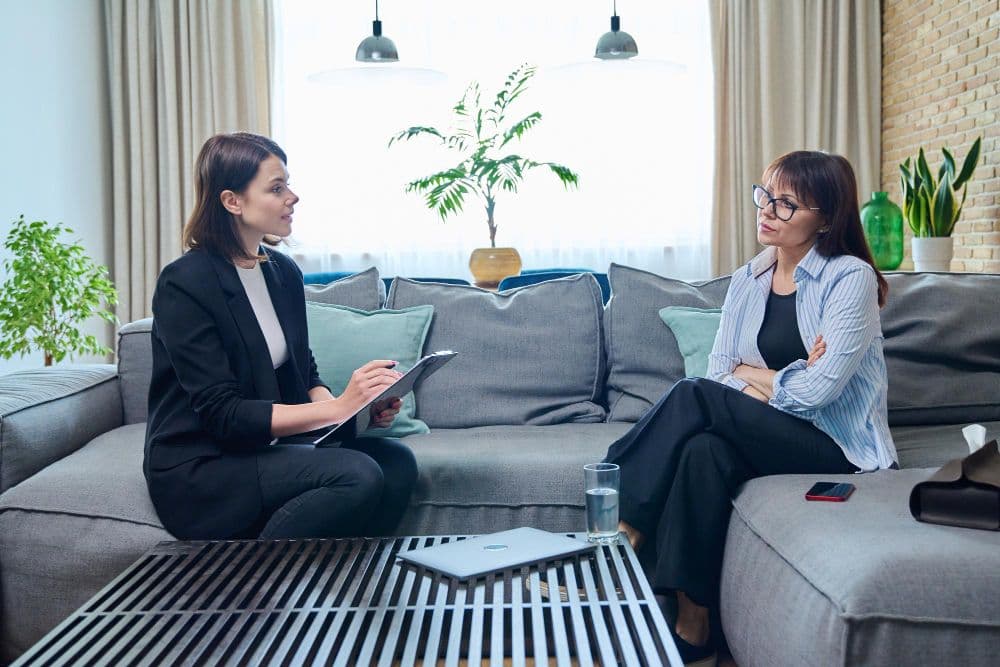
Starting counselling can feel a little like standing outside a room with the door slightly open. You’re curious, maybe hopeful, or nervous.
You might be wondering, what actually happens in the first counselling session? Where do you even start? What if you freeze and can’t think of much to say?
All your questions are valid, and simply learning more about the therapy process can remove the fear of uncertainty.
The first few sessions are about understanding you as a person, getting to know your story and discussing the direction for the work ahead.
In this guide, we’ll take you through what typically happens in the first three counselling sessions, what to expect from the therapy process, and how you can prepare for the healing journey ahead.
TYHO provides in-person and online therapy in Singapore. Our platform connects clients to vetted and experienced Psychotherapists, Psychologists, and Counsellors in Singapore. We refer to all our mental health professionals collectively as "Therapists", given the overlap in their scopes of practice. A majority of our Therapists are members of recognised bodies such as the Singapore Association for Counselling (SAC) and the Singapore Psychological Society (SPS). If you'd like help with selecting someone suitable, WhatsApp us at +65 9831 0005 or email us at [email protected].

The first counselling session is usually about getting to know your therapist in Singapore and sharing your story.
Think of it as laying out the foundation. The therapist is a stranger until the first session, and it is only then that you properly get to know them.
Your therapist will likely ask questions about:
The therapist gathers all the above information to understand the bigger picture. Here’s a quick example of what the first counselling session might look like:
Let’s say you’re seeking therapy due to anxiety at work. The dialogues could sound like:
Therapist: ‘When do you notice the anxiety the most?’
You: ‘Mostly before presentations. I feel sick, and my hands shake.’
Therapist: ‘What goes through your mind in those moments?’
The second counselling session typically focuses on building rapport and a healthy therapeutic alliance (ie a professional relationship with the therapist).
Research shows that the therapy process has significantly positive outcomes when you feel safe, supported, and heard. And the quality of the relationship between the therapist and you is one of the strongest predictors of positive outcomes.
Here’s what you may notice in the second session:
Below is a dialogue exchange example of exploring an issue in the second session:
You: ‘I keep thinking I’m not good enough.’
Therapist: ‘When you say ‘not good enough’, whose voice does that sound like?’
Now you’re moving from surface-level thoughts to identifying deeper patterns.
Here are some questions you can ask yourself after the session to identify if the rapport-building process is healthy:
Do note that you might not feel 100% comfortable right away. Building trust takes time, and you may benefit from giving yourself and the therapy process enough time to gauge your comfort levels.

By the third counselling session, you and your therapist usually have enough information to start building on the therapeutic plan.
The plan might include a roadmap of tools the expert may use, such as cognitive behavioural therapy, the kinds of issues you may want to address, and a realistic set of therapy goals and ways to achieve them.
You might discuss:
For example, if you started the therapy process for anxiety, here’s what to expect in the therapeutic plan:
Your therapist might say: ‘Based on what we’ve discussed, it seems like perfectionism and fear of judgement are central themes. Would you like us to focus there first?’
The sessions are always collaborative, and you would have the space to set the pace and direction of the therapy process.
Many people assume that the therapy process might start with your deepest trauma or result in endless back-and-forth conversations. However, that’s not true.
Here’s what to expect from the process after the first few counselling sessions:
Emotional ups and downs: Some sessions will feel relieving, while others may feel heavy. That doesn’t mean therapy is not working. Growth can feel uncomfortable because you’re examining patterns you’ve lived with for years.
Gradual change: change often looks like reacting slowly and more mindfully to stressful situations, noticing triggers before they happen, and observing small shifts in your mood and body.
Evolving goals and tools: As you begin to address your problems, you may also solve and move past the therapy goals. The therapy process evolves with you, and the professional may adjust the plan and their style along the way.
The first counselling session is usually when your therapist gathers information about your concerns, background, and goals
The second counselling session is when trust begins to strengthen and conversations often go deeper
The third counselling session is usually when you may set therapy goals and create a therapeutic plan along with the professional
The therapy process is collaborative, gradual, and adaptable
If you are in crisis, or another person may be in danger, do not use this site. Please refer to these resources instead.


Mon - Fri (excluding public holidays)
9.30 AM - 6 PM (+08:00 GMT)
OUE Downtown 2, 6 Shenton Way, #12-11B, Singapore 068809
© 2026 Talk Your Heart Out Pte Ltd
Need Help? Chat with us