
Are you wondering how to choose the right therapist in Singapore? It can be easy to find the right fit when you know what to look for.
In this article, we divide the process into five actionable steps you can take to find the right Therapist. Following that, we share seven practical tips to get the most out of therapy in Singapore.
Without further ado, let’s explore the five simple steps to finding the right therapist in Singapore, getting the most out of therapy and tips for your first therapy session.
TYHO provides in-person and online therapy in Singapore. Our platform connects clients to vetted and experienced Psychotherapists, Psychologists, and Counsellors in Singapore. We refer to all our mental health professionals collectively as "Therapists", given the overlap in their scopes of practice. A majority of our Therapists are members of recognised bodies such as the Singapore Association for Counselling (SAC) and the Singapore Psychological Society (SPS). If you'd like help with selecting someone suitable, WhatsApp us at +65 9831 0005 or email us at [email protected].

Before you start therapy, it’s crucial to identify your therapy goals.
Are you looking to cope with daily challenges like work-related stress, social anxiety and burnout? Do you want to fix your relationship with parents who gaslight you? Or would you like to develop effective self-care habits?
In a notebook, list out any daily challenges you face and if you suspect that you may have a mental health issue or disorder.
Next, note down the changes you wish to see in yourself during or after therapy. Having clear expectations can help you find the right therapist in Singapore.
Remember, if you struggle to identify your goals, that’s okay. Therapy is a process of exploration, and you can gain clarity about your objectives over time, with the guidance of your therapist in Singapore.
A 2022 study indicates that the average person may see three or more therapists before finding the right match.
The survey also shows that 64% of people believe patience is key to managing their mental health, and 70% believe that online counselling platforms make it easier to find the right therapist.
The study also shows that nearly 64% of people believe that finding the right therapist is essential to achieving positive therapy outcomes.
At TYHO, we provide transparent and detailed information about each of our Therapists in Singapore. You can review the complete profiles and even watch short videos of Therapists before making a choice.
When trying to choose a therapist in Singapore, you may come across several profiles on our website.
Here’s how you can navigate and review Therapist profiles on TYHO:
You can visit each TYHO Therapist’s profile to review all their information, including their:
Finding the right therapist in Singapore also involves looking into their therapeutic approaches. Under each Therapist’s profile, you’ll see a section called ’Therapeutic Approaches’. Here, you can review the list of approaches the Therapist uses during sessions.
However, your Therapist may choose an approach based on their expertise and what works best for your unique issues.
Finally, you can read the Therapist’s description to understand their cultural background and personal interests. Sometimes, gaining a holistic view of an expert can help you choose the right therapist in Singapore.
Choosing the right therapist in Singapore also involves choosing the right therapy modality.
It’s important to consider how you want to attend your sessions: online or in person. Both types of modalities have their own advantages!
At TYHO, we have Therapists in Singapore who offer both online and in-person therapy sessions.
On the one hand, online therapy in Singapore allows you to access it from anywhere in the world. It's especially helpful if you are busy, cannot travel, or live far away from the therapist’s home or centre.
On the other hand, meeting a therapist face-to-face can help you feel comfortable and safer. Your therapist in Singapore may also find it easier to observe patterns in your body language.
Therefore, when deciding your modality, think about what makes you comfortable, what kind of help you need, and how you like to talk to people.
After choosing your therapy modality, the key to finding the right therapist in Singapore is to interview them.
Yes, you can and should ask your therapist any questions you may have! TYHO Therapists are welcoming and will be happy to clarify any doubts you may have.
Asking questions can help you set your expectations and give you a glimpse into what your sessions might look like.
Below are some questions to consider asking your therapist:
When searching for a therapist in Singapore, consider how comfortable you feel with them.
A good therapist will listen to you actively, understand your issues, and avoid judging or overshadowing your opinions.
Initially, it’s common and normal to feel hesitant to open up. Hence, you may need to attend three to four sessions before you can gauge the fit.
After each therapy session, take some time to reflect on your feelings. Do you feel relieved after opening up? Do you feel like your therapist understands you? Do you feel validated? If you answer ‘yes’ to all the questions, you may have found the right therapist!
The relationship you build with your therapist will be the key factor contributing to positive therapy outcomes.
However, try not to worry too much about finding the perfect therapist right away. It’s absolutely okay to change your therapist later if you’re not a great match.

Why do you want to start therapy? Are you struggling with relationship issues, or maybe you want to regulate your mood?
Whatever the issue, explore different types of therapy and consider which one may be best for you. Below are two common types of therapy in Singapore:
Think about:
Journaling or tracking your feelings and mood can also help you create a solid mind map to talk with a therapist in Singapore.
We recommend that you journal – not only before therapy – but in conjunction with therapy to help reduce stress and regulate your mood.
Similar to setting boundaries in your personal life, it’s also important to create healthy boundaries in your therapeutic relationship.
For example:
Once you've considered your preferences, have an honest conversation with your therapist. The intention of any good therapist would be to empower you to handle your problems in a safe environment.
So, if you don’t want to hug your therapist or shake their hands, they’ll refrain from doing so, and also help you explore what your boundaries mean to you.
Some ideas to set boundaries during therapy include:
Eg: Ask for changes if you want to focus more on problem-solving rather than exploring your emotions.
The best way to get the most out of therapy is to help your therapist help you – which means trying to be your most authentic and honest self!
Authenticity is matching your inner thoughts and feelings with your outer presentation and behaviour. Being authentic is an active process – something we should try to do intentionally in every therapy session.
A tip to be authentic is ‘showing up for yourself.’ Try to be comfortable talking about your failures and flaws just as much as you talk about your successes.
We all have things we are not proud of or may even consider ugly about ourselves, and that’s okay. The more awareness we bring towards it during therapy, the more we can accept and manage it.
Some ideas to be authentic during therapy include:
If the idea of authenticity feels overwhelming or challenging, tell your therapist in Singapore. Honesty during sessions is the best way to get to the root of your issues.
Therapy is hard emotional work – positive changes and outcomes take time.
It can be frustrating to wait it out, and that’s okay. If your frustration affects your beliefs about therapy, discuss it with your therapist in Singapore.
Make sure you are prepared and willing to explore your inner self proactively during sessions.
To be proactive, you can:
Patience is also key to successful therapy. You may notice rapid changes after just a few therapy sessions. However, your progress may have reached a plateau halfway through.
Therapy plateau may happen because:
Being patient and allowing enough time is key to getting the most out of therapy.
Getting the most out of therapy is not just about what you do during therapy, but also about what you do outside of sessions.
Keep a list of skills and insights you’ve learned during therapy in Singapore. Try to visit this list every now and then to make sure you maintain the same mindset.
Once you start applying your therapy learnings in real life, you’ll begin to identify the positive outcomes and subtle changes in how you think about adversities, and this signifies that you are growing and healing.
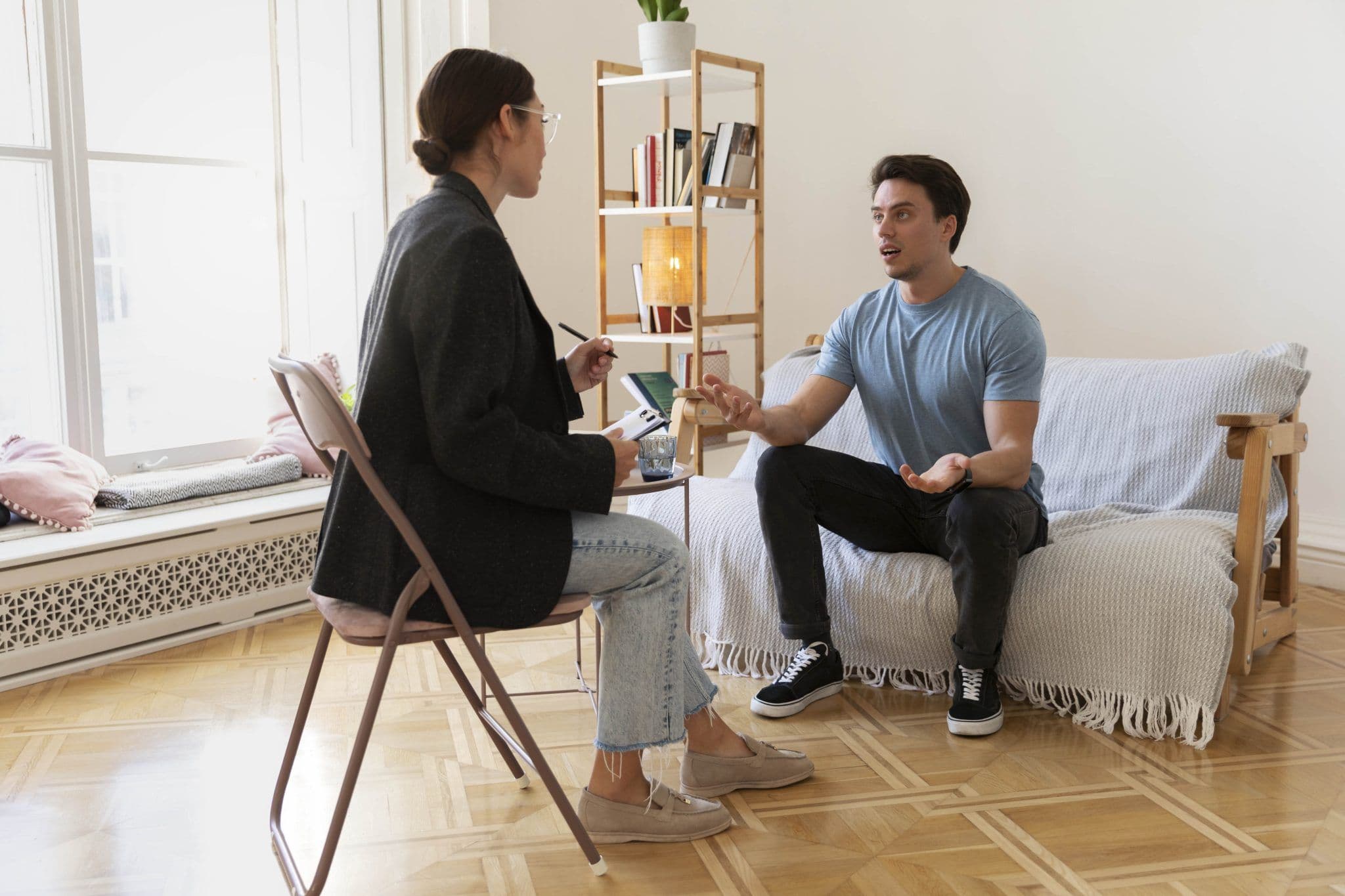
Finding the right therapist in Singapore and getting the most out of therapy involves reflecting on your needs, having realistic expectations, setting boundaries, being authentic, proactive, and patient, and applying your learning in real life.
To find the right Therapist at TYHO, try to identify your goals, review profiles based on your goals and preferences, choose your modality, and talk to the Therapist initially to gauge the fit. Finally, check your comfort level based on how heard and validated you feel after a session.
Remember, the most important factor is the therapeutic alliance – the relationship you build with your therapist. This connection plays a crucial role in the success of your therapy.
By following these steps, you’ll be well on your way to finding a Therapist who meets your needs and helps you achieve your goals. Get started with TYHO today!
If you are in crisis, or another person may be in danger, do not use this site. Please refer to these resources instead.


Mon - Fri (excluding public holidays)
9.30 AM - 6 PM (+08:00 GMT)
OUE Downtown 2, 6 Shenton Way, #12-11B, Singapore 068809
© 2026 Talk Your Heart Out Pte Ltd
Need Help? Chat with us